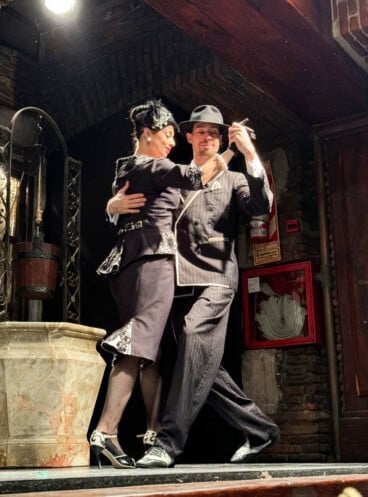
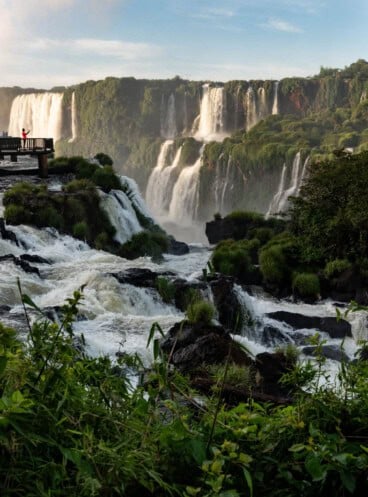
If you’re visiting Buenos Aires and looking for an easy escape, a day trip to Colonia del Sacramento in Uruguay is hard to beat. A quick ferry ride drops you into a picturesque historic town filled with cobblestone streets, colonial architecture, and waterfront views. We spent the day exploring on foot, taking in the history, and enjoying the relaxed vibe that makes Colonia such a favorite stop for travelers.

When we were planning our South America trip to Brazil and Argentina, we knew we would be close to Uruguay and figured we ought to at least spend a little time there. Paul and I both have family who lived in Uruguay, but we had never been, so when his uncle suggested visiting historic Colonia del Sacramento where he had proposed to his now wife (who was born and raised in Uruguay), we knew it was the right choice.
Colonia del Sacramento is just across the Río de la Plata from Buenos Aires. It is a charming Uruguayan town that feels like a step back in time and is actually a UNESCO historic site.
We hopped on an easy ferry ride and spent the day wandering cobblestone streets, exploring centuries-old buildings, and soaking in the slow, sunlit rhythm of this quaint little town.
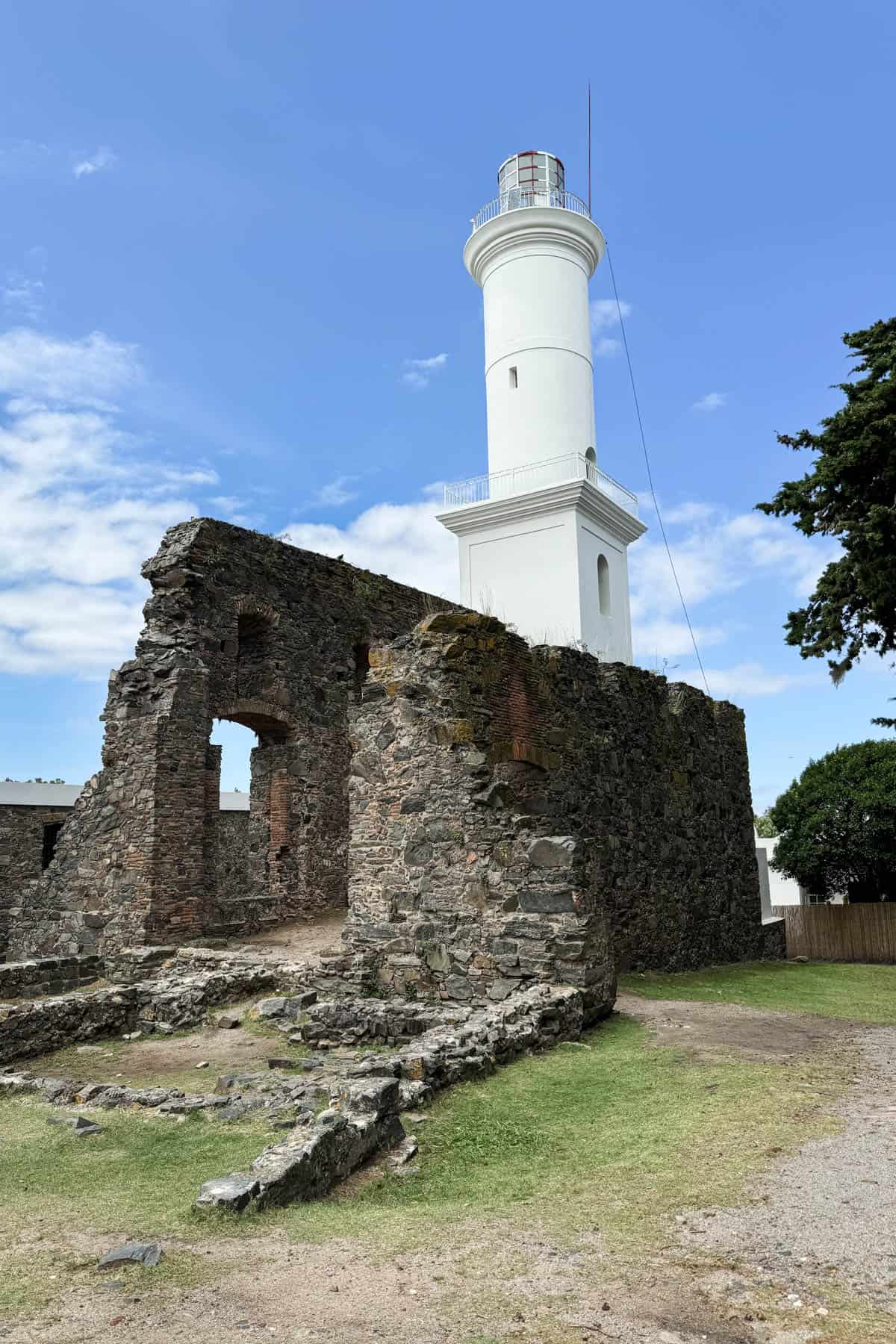

Colonia del Sacramento may look like a sleepy little town today, but it has a surprisingly dramatic past. Because of its prime spot on the Río de la Plata directly across the water from Buenos Aires, it was fought over for more than a century by the Spanish and the Portuguese.
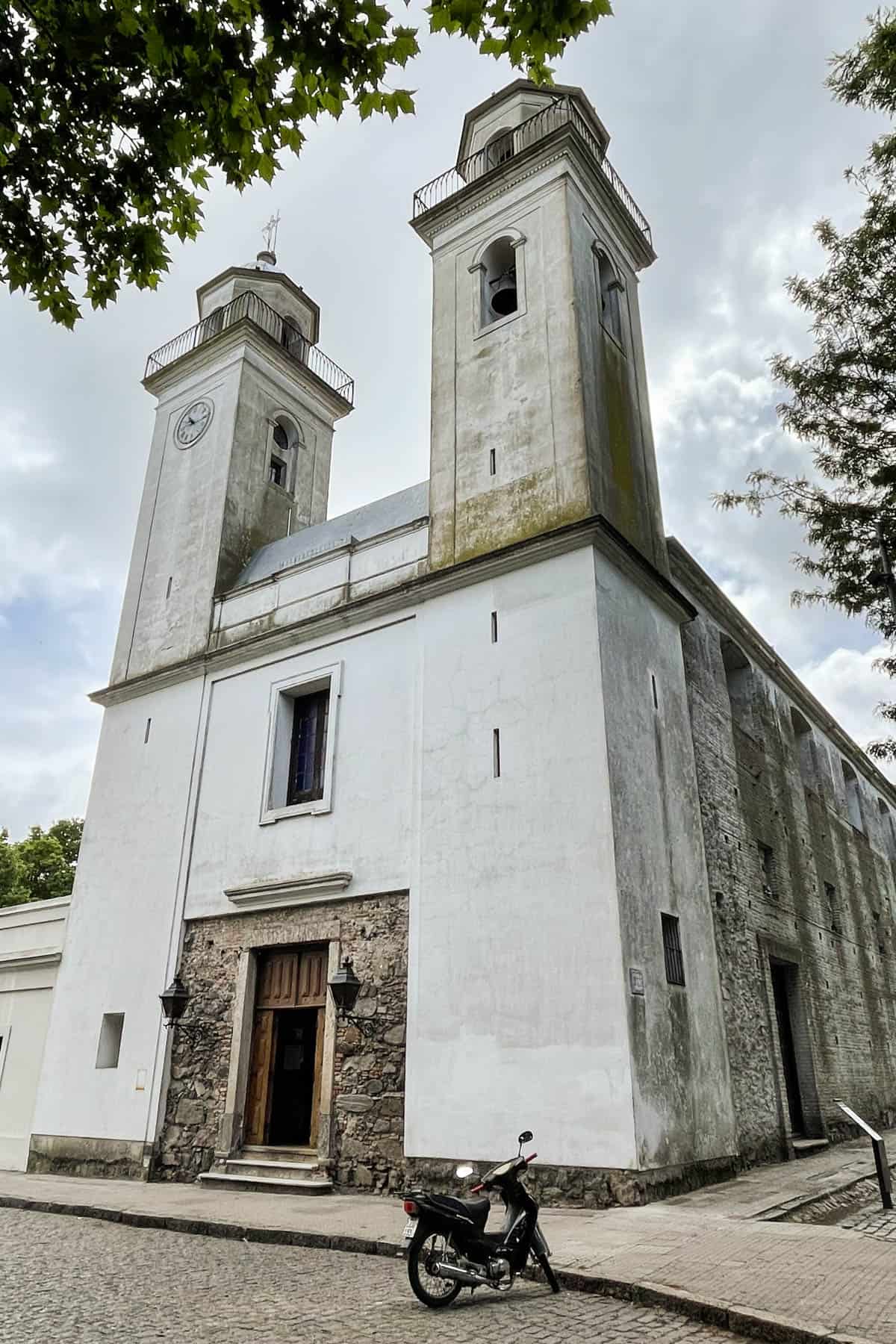
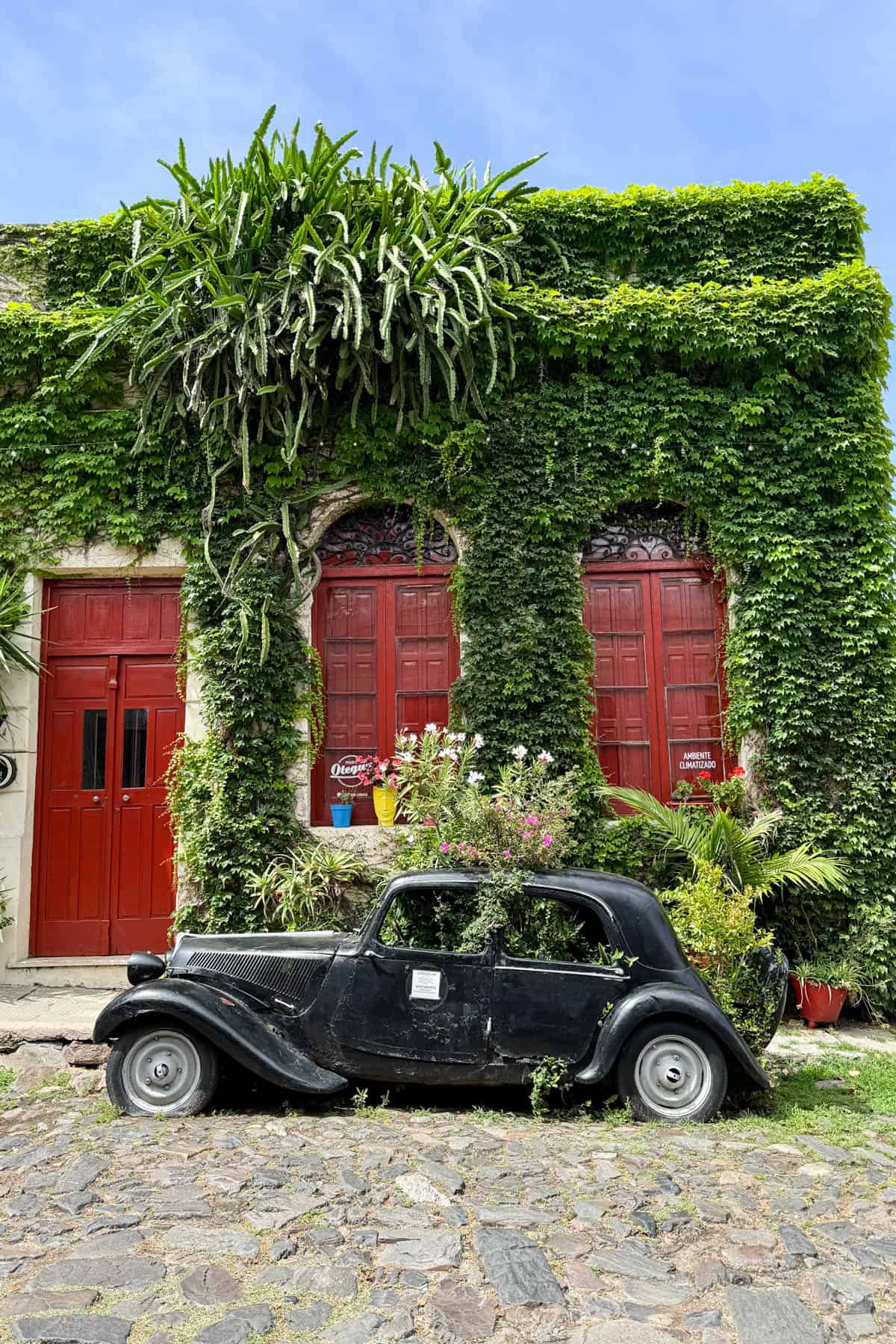
In fact, the Portuguese founded Colonia in 1680, and from there it changed hands multiple times as each side tried to control trade and ship traffic along the river. That back-and-forth is why the old town feels a bit different from anywhere else in Uruguay, with a mix of both Spanish and Portuguese architecture woven into its cobblestone streets.
To defend such a valuable location, Colonia was heavily fortified. You can still see pieces of its walls and bastions today, especially near the lighthouse and along the edge of the historic quarter. We were even able to watch a team of archeologists doing a dig looking for more clues about Colonia’s past, which was interesting.
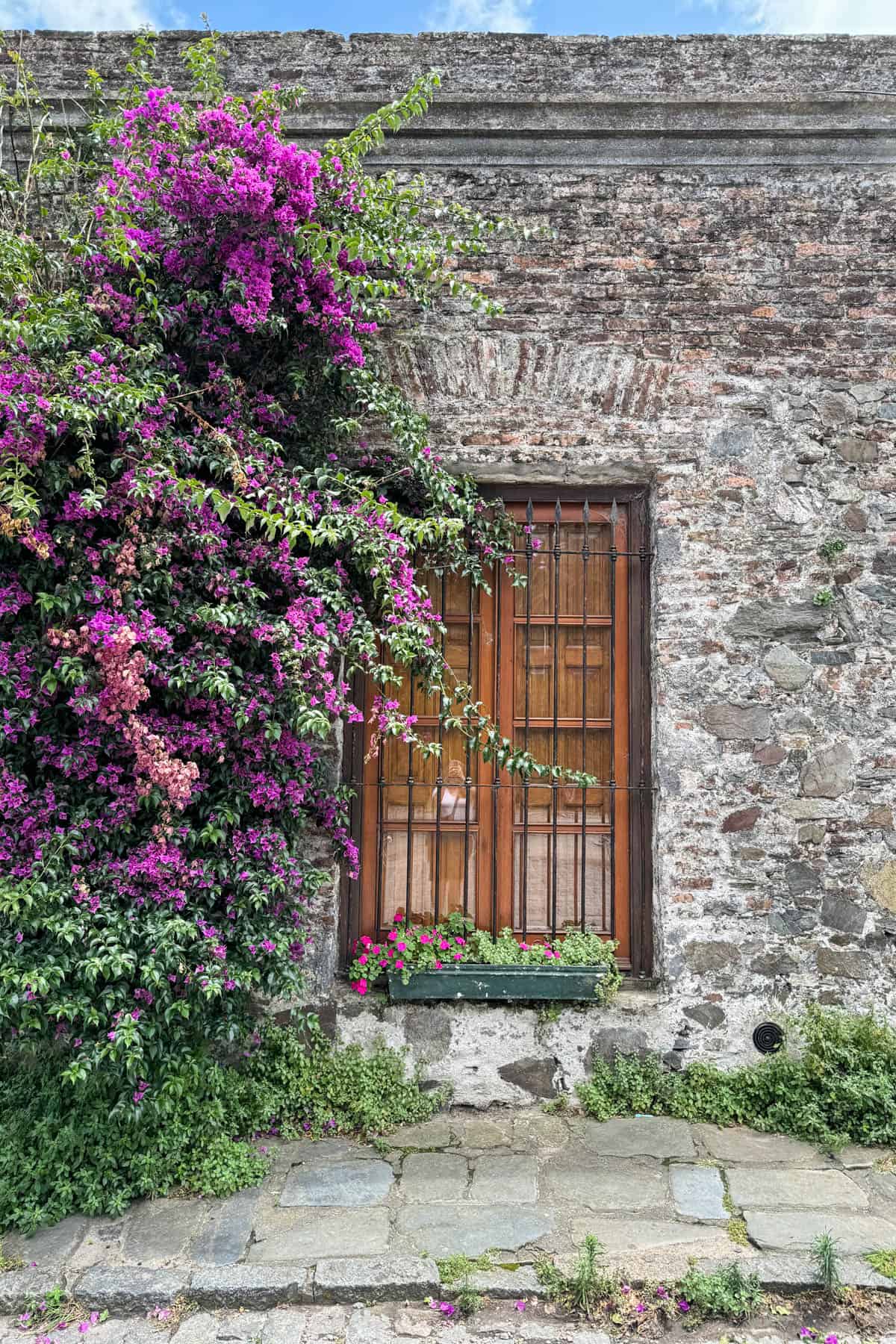
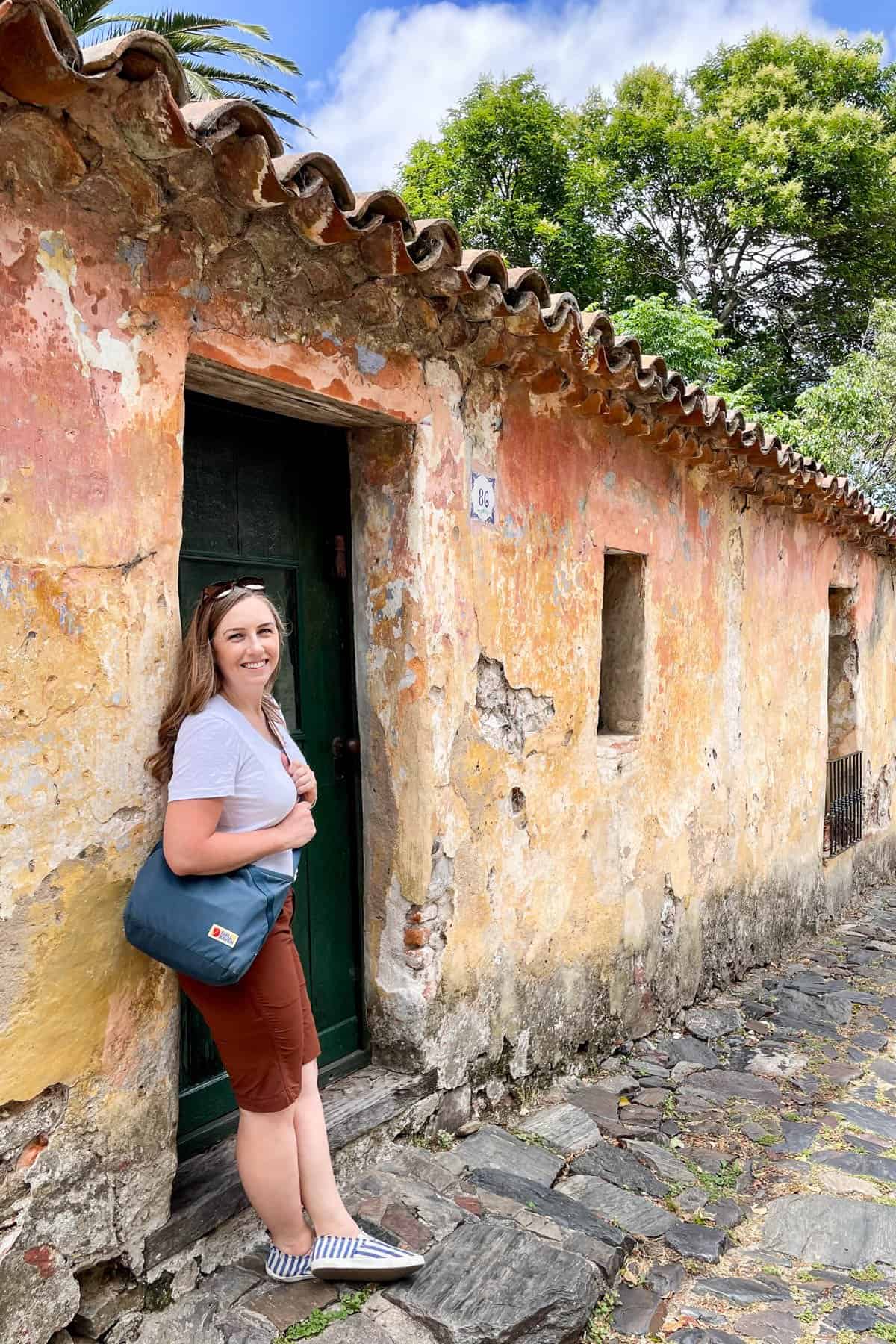
Walking through town, it’s easy to imagine why this small place mattered so much and why it eventually earned its spot as a UNESCO World Heritage Site.
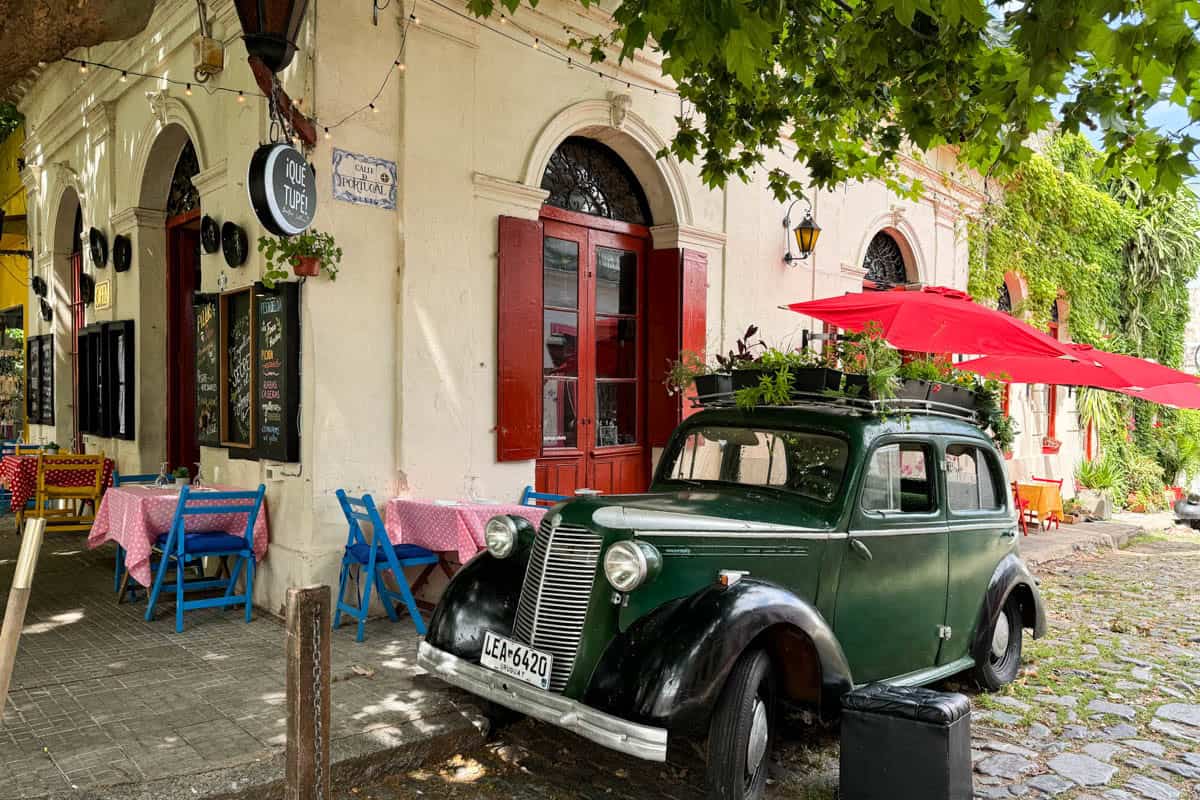
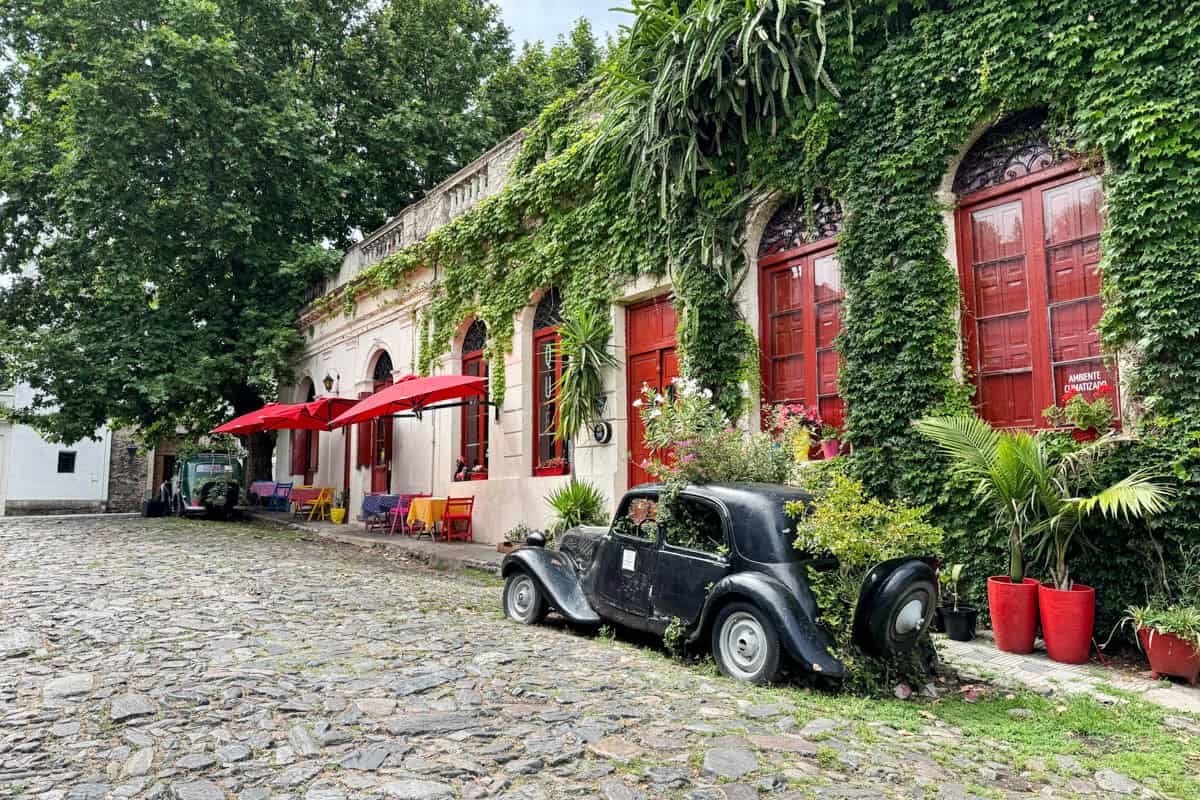
You will also notice the old cars in Colonia, which are very much part of the charm. Some of the vintage cars are still in regular use by locals, not just staged props for tourists. Uruguay has historically had high import taxes and strict regulations on bringing in new vehicles, which encouraged people to keep older cars running for decades. As a result, classic Volkswagens, Peugeots, Chevrolets, and other mid-20th-century cars became everyday transportation rather than collector’s items.
In Colonia specifically, those old cars stuck around because the town itself stayed small, slow-paced, and relatively unchanged. Narrow cobblestone streets, short driving distances, and a relaxed lifestyle make older cars perfectly practical. Over time, they became part of the town’s visual identity.
Some of the vintage cars are just there for the vibes though, leaning into Colonia’s nostalgic, frozen-in-time feel.
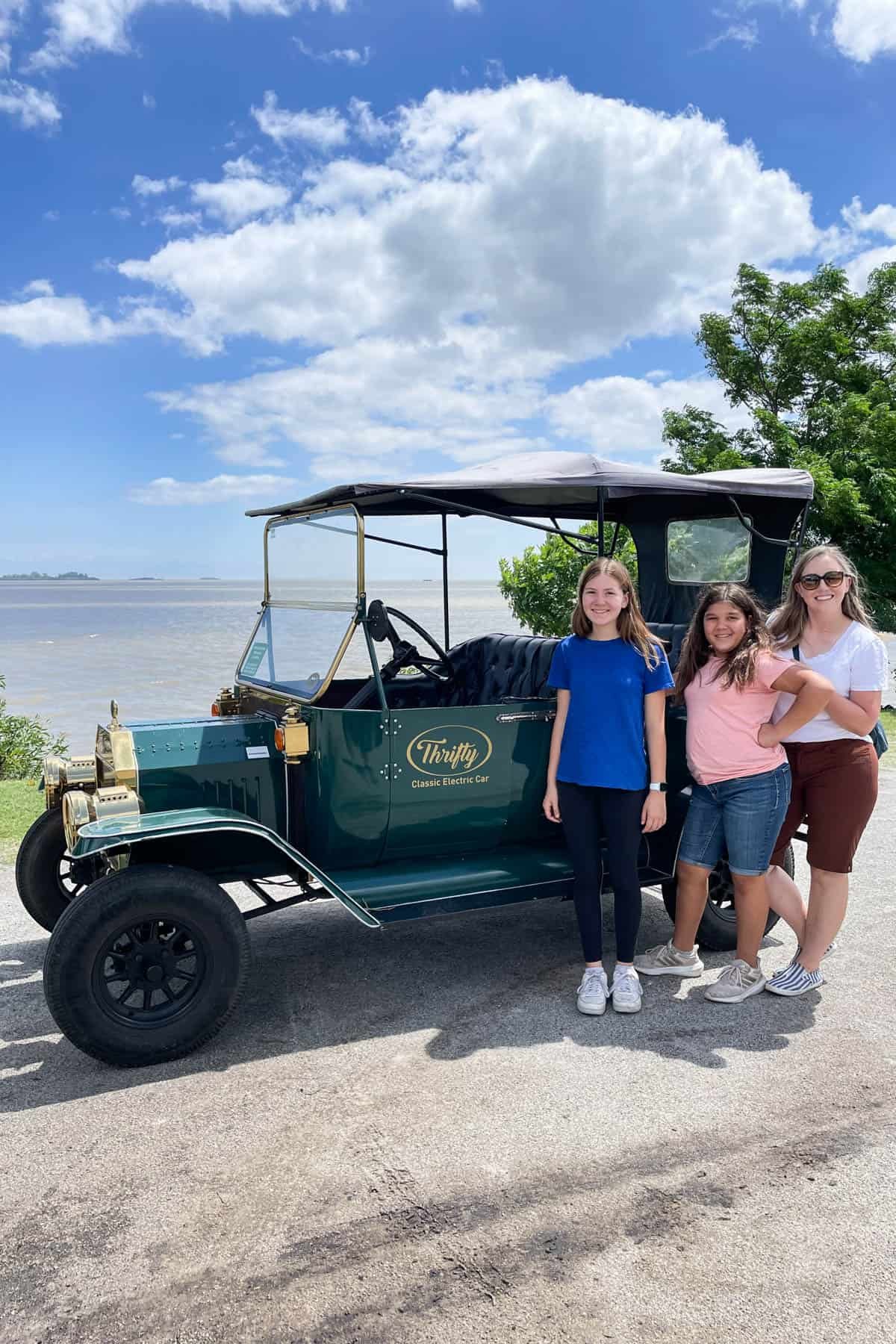
If you are only in Colonia for part of the day like we were, it is really fun to rent a golf cart as a way to zip around the town and historic areas.
Golf cart rentals are available to rent near the ferry terminal and around the historic quarter. Local companies which are not always listed on major booking sites offer electric or gas carts that seat 2–4 people and can be rented by the hour or half day.
In our experience, you don’t even have to book ahead. You just walk in and pick up a cart when you get off the ferry for very reasonable prices per hour (typically around $50 for a few hours). It’s a great alternative to walking, especially if it’s hot.

What to Eat in Colonia
Colonia may be small, but it’s a great place to snack your way through a few hours of exploring.
You’ll notice gelato shops everywhere, especially around the historic quarter. They are perfect for a mid-afternoon break after wandering the cobblestone streets. Many places serve classic flavors alongside dulce de leche (a must in Uruguay), and grabbing a cone feels almost mandatory on a warm day. We may have stopped at more than one gelato shop, to tell the truth.
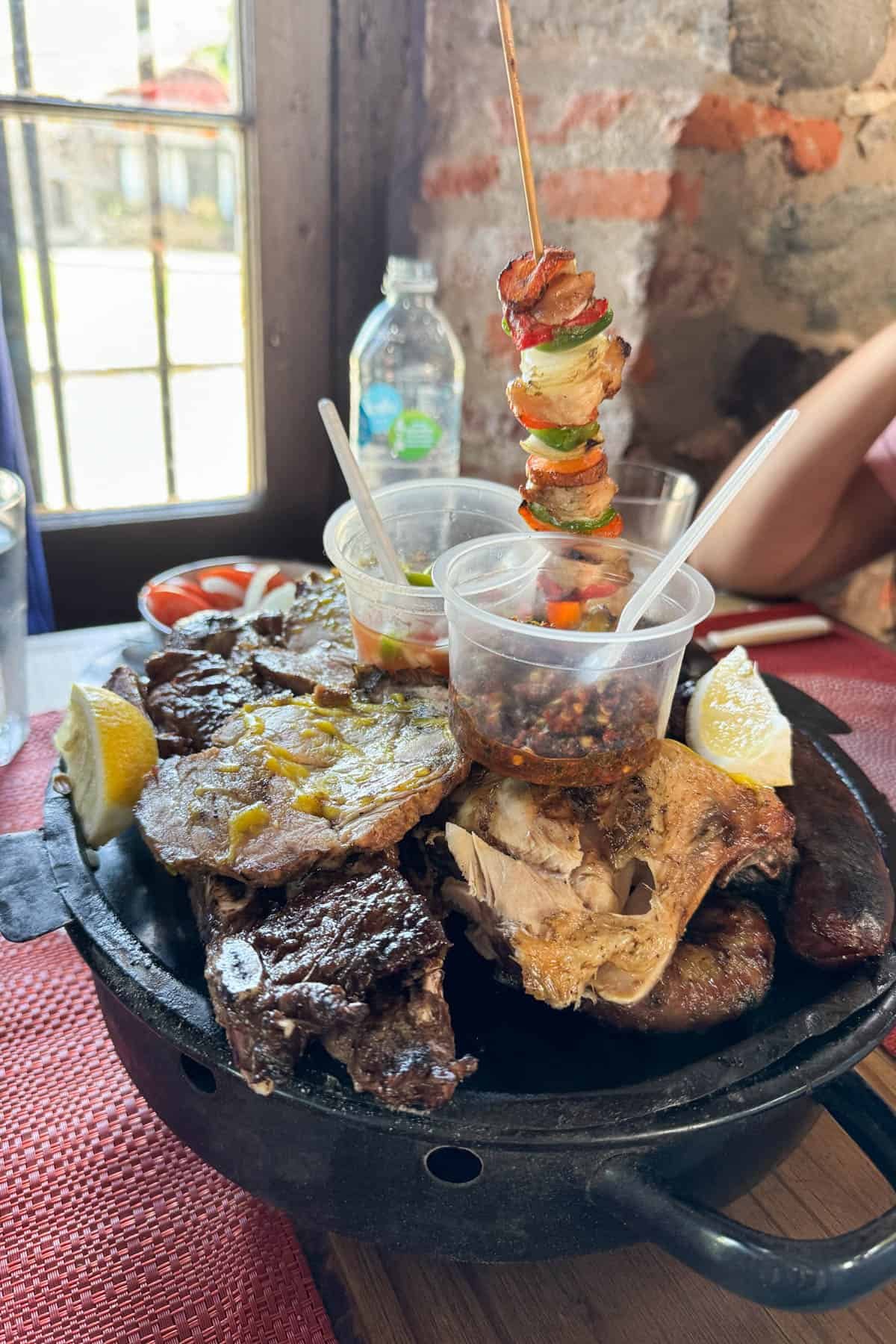
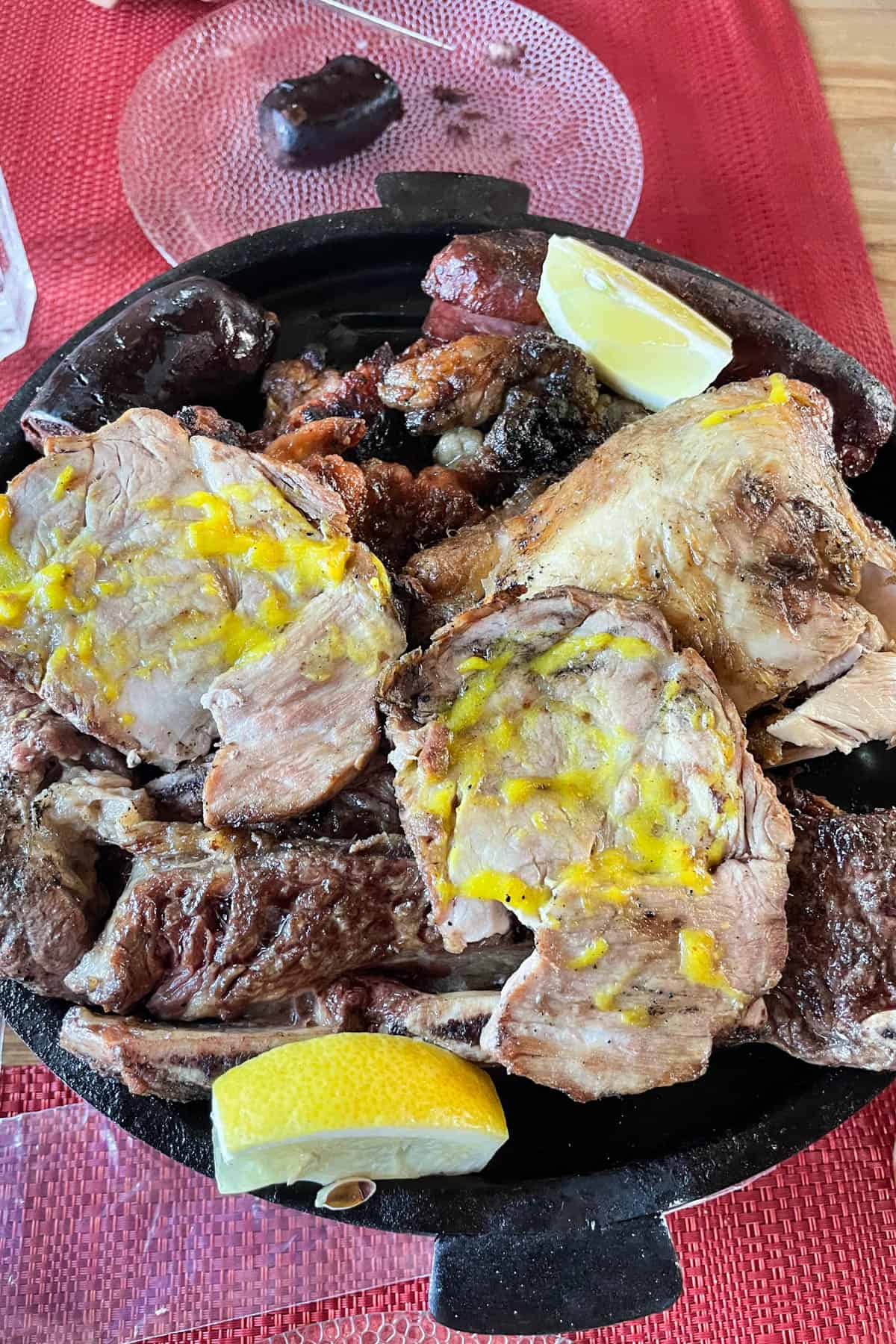
For something heartier, look for a parrillada, Uruguay’s famous mixed grill. This is the full grilled-meat experience: beef cuts, sausages, and sometimes sweetbreads or other meats, all cooked over an open flame and meant to be shared. Even if you’re just stopping in for lunch, it’s one of the most traditional things you can order.
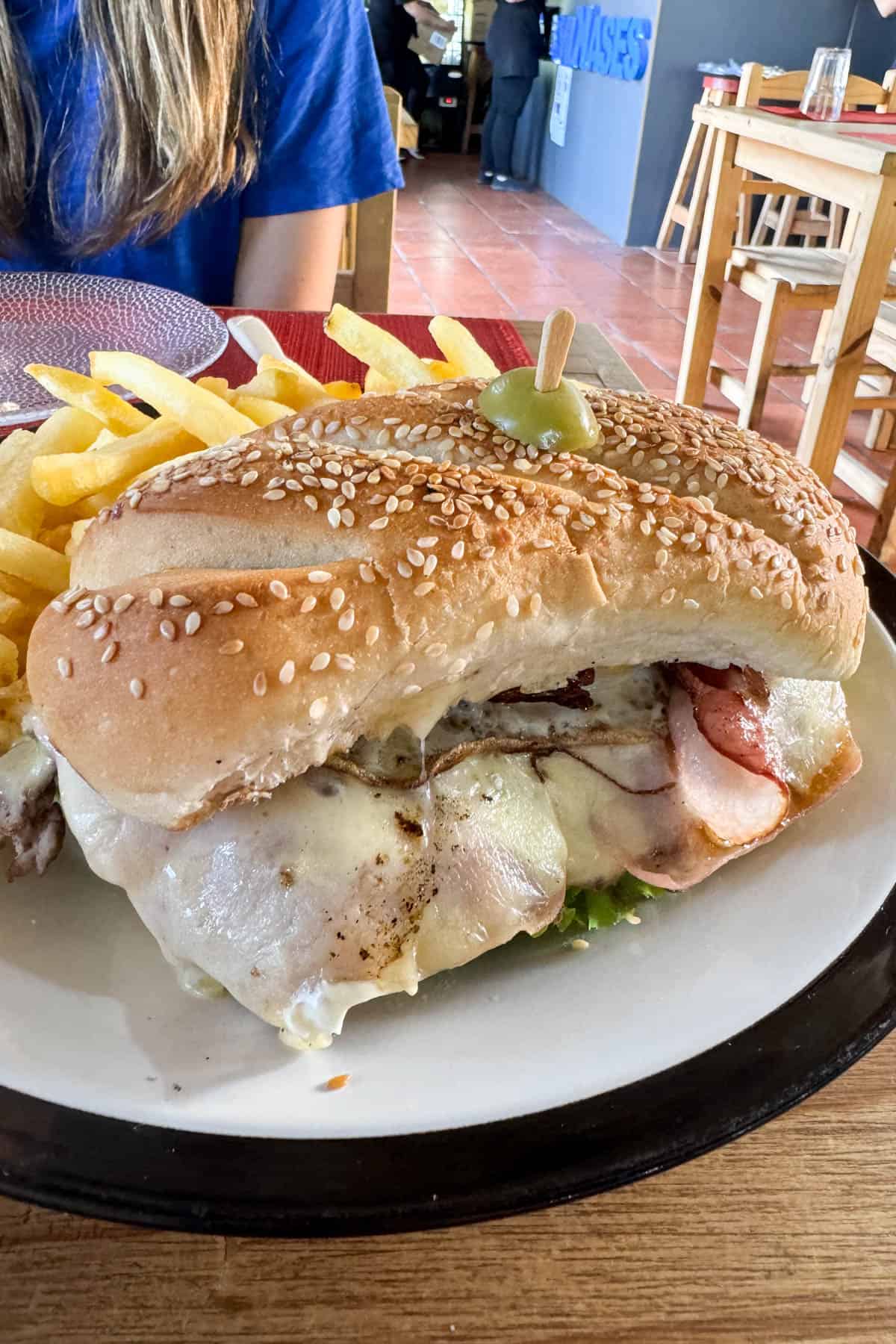
And if you want a classic Uruguayan bite that’s easy and filling, try a chivito. Despite the name (which means “little goat”), it’s actually a steak sandwich that is usually piled high with beef, mozzarella, lettuce, tomato, mayo, and often ham, bacon, and a fried egg. It’s messy, delicious, and very much a local favorite.
Between gelato, grilled meats, and a chivito, Colonia makes it easy to eat well—even on a quick day trip.
We would have loved to spent more time exploring Uruguay (we didn’t even make it to the capital of Montevideo!), but it will have to be on a future trip. Have you been? We would love to hear what your favorite things were about Uruguay in the comments below!