Buenos Aires is a city that knows how to make an impression. In just one trip, we found ourselves swept up in the drama of a tango show, the electric energy of a fútbol match, exploring the city’s European-inspired streets by bike with our kids, and reveling in the quiet beauty of horseback riding in the countryside. It was equal parts culture, adventure, and family time, and it gave us a whole new appreciation for Argentina’s vibrant capital.
When we were planning our trip to Brazil and Iguazu Falls, we decided that as long as we were going to South America we wanted to explore Buenos Aires as well! We’re so glad we did and if you are planning a trip there then I’m sure you will be too.
Buenos Aires surprised us in the very best way. From the dramatic sweep of a tango performance to the thundering chants of a fútbol crowd, the city felt alive with rhythm, history, and heart, while also being incredibly family-friendly at the same time.
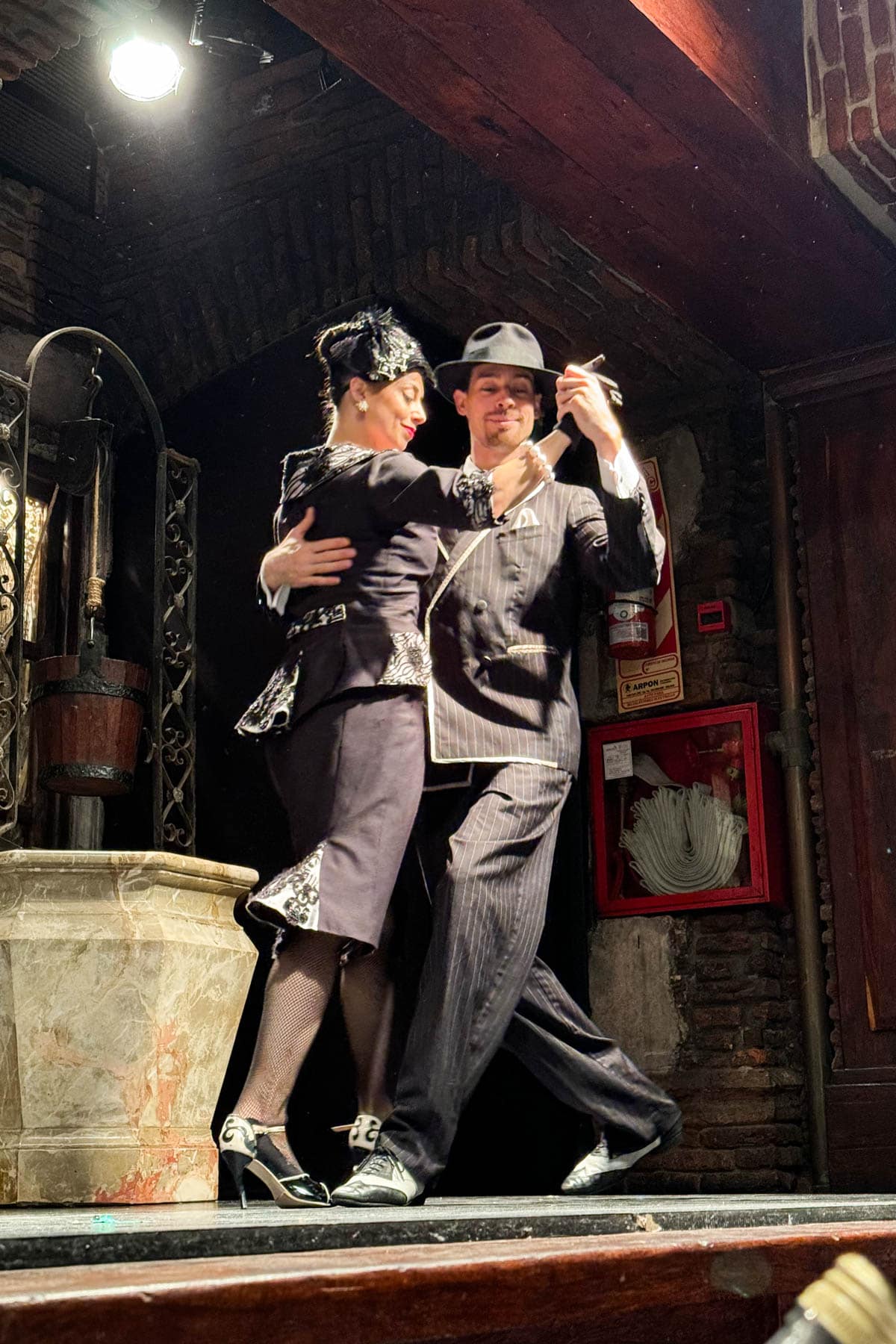
We explored grand, Paris-influenced architecture by bike, escaped to the countryside to ride horses across wide-open land followed by a delicious dinner of grilled meat, and shared unforgettable moments with our kids that blended culture, adventure, and pure joy. This trip was a perfect mix of iconic Buenos Aires experiences and everyday magic, and it quickly became one of those travels we know we’ll talk about for years to come.
When is the best time to visit Buenos Aires?
Generally speaking, the best time to visit Buenos Aires is their spring (October–November) and fall (March–April). These shoulder seasons offer the best balance of weather, crowds, and overall vibe. Spring is mild with comfortable temperatures that are typically around 65–75°F. You’ll find jacaranda trees in full bloom in November, turning the city purple (this is when we visited and it really was quite stunning). It’s also great weather for walking, biking, people watching, and it is lively but not super crowded. March–April (their fall) is also great though because it is less humid than summer and you will still have warm days and cool evenings.
The summer months in the southern hemisphere (December–February) tend to be hot and humid, and even many locals leave the city in January, but it can also be quieter. The Argentine winter months (June–August) are good if you don’t mind the cold (typically around 50–60°F), especially if you want to do things like visit museums, go to tango shows and soccer games, or just enjoy the food instead of having outdoor-heavy days.
Go See a Tango Show
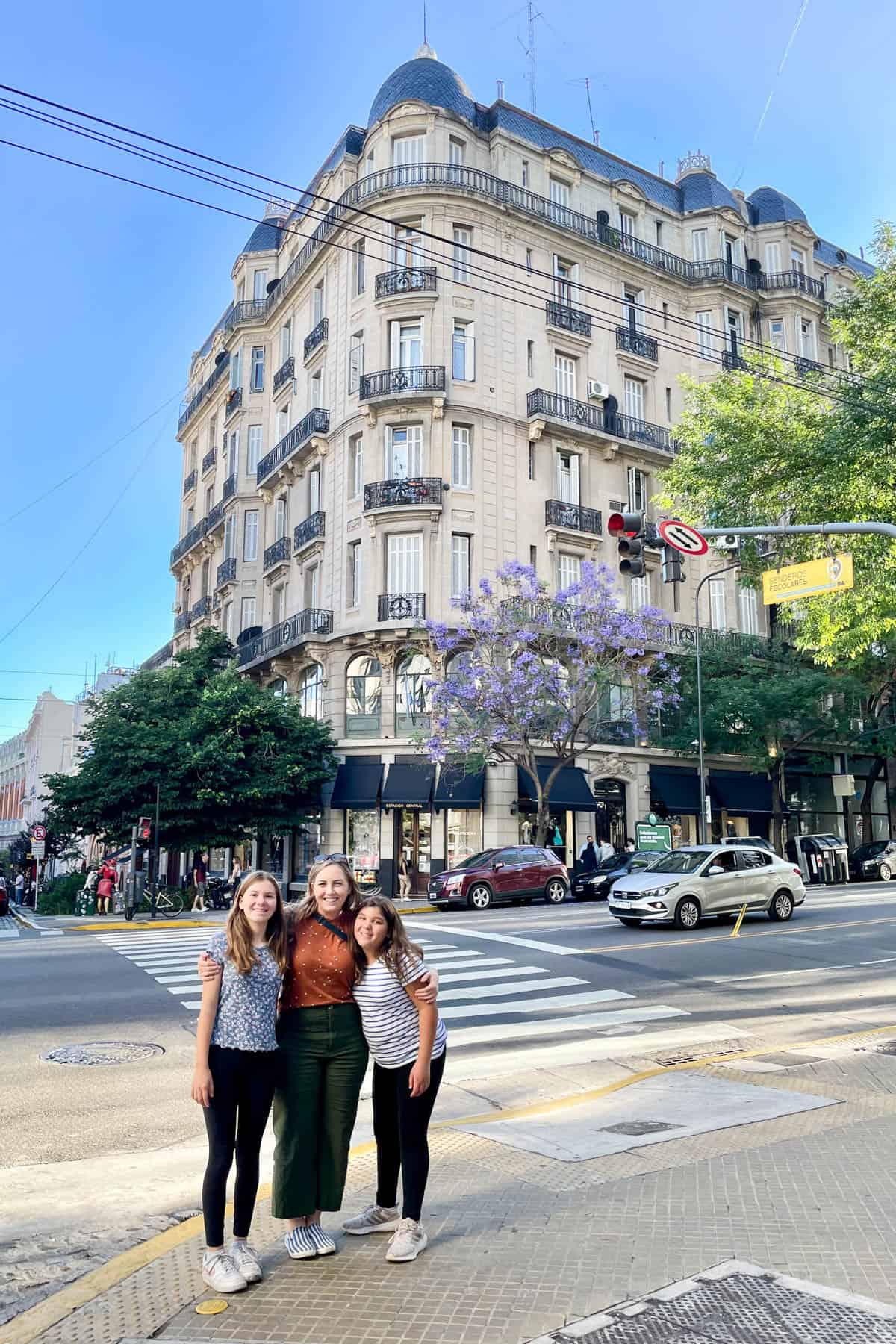
Paul and I took ballroom dance in college, so going to a tango show was a must-do when it came to planning a visit to Buenos Aires. It was even better than I imagined it would be.
Tango is the heart and soul of Argentina. Born in the working-class neighborhoods of Buenos Aires in the late 1800s, tango blends music, movement, and emotion into a dance that’s all about connection: between partners, between past and present, between the city and its people. It is dramatic, romantic, and deeply expressive.
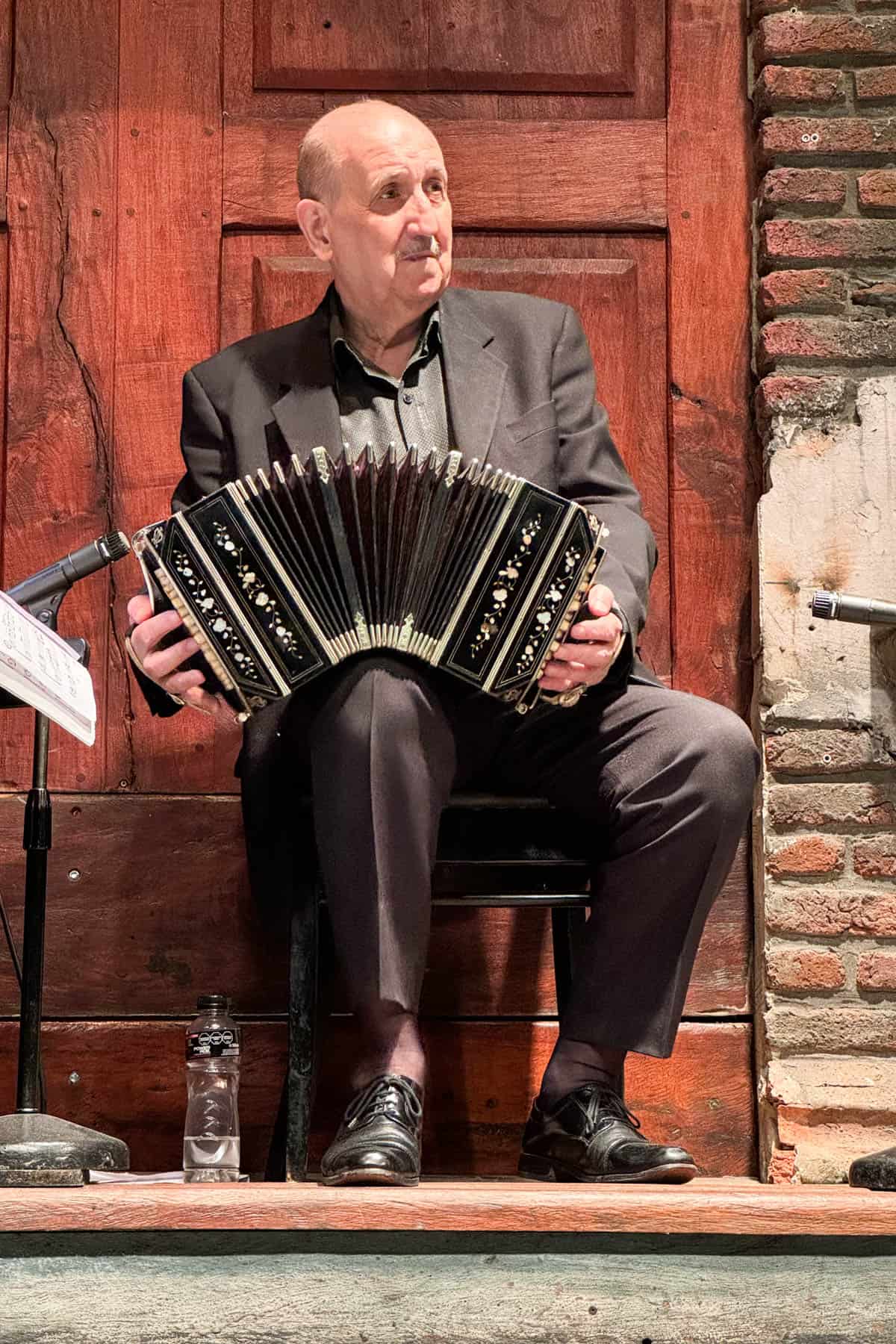
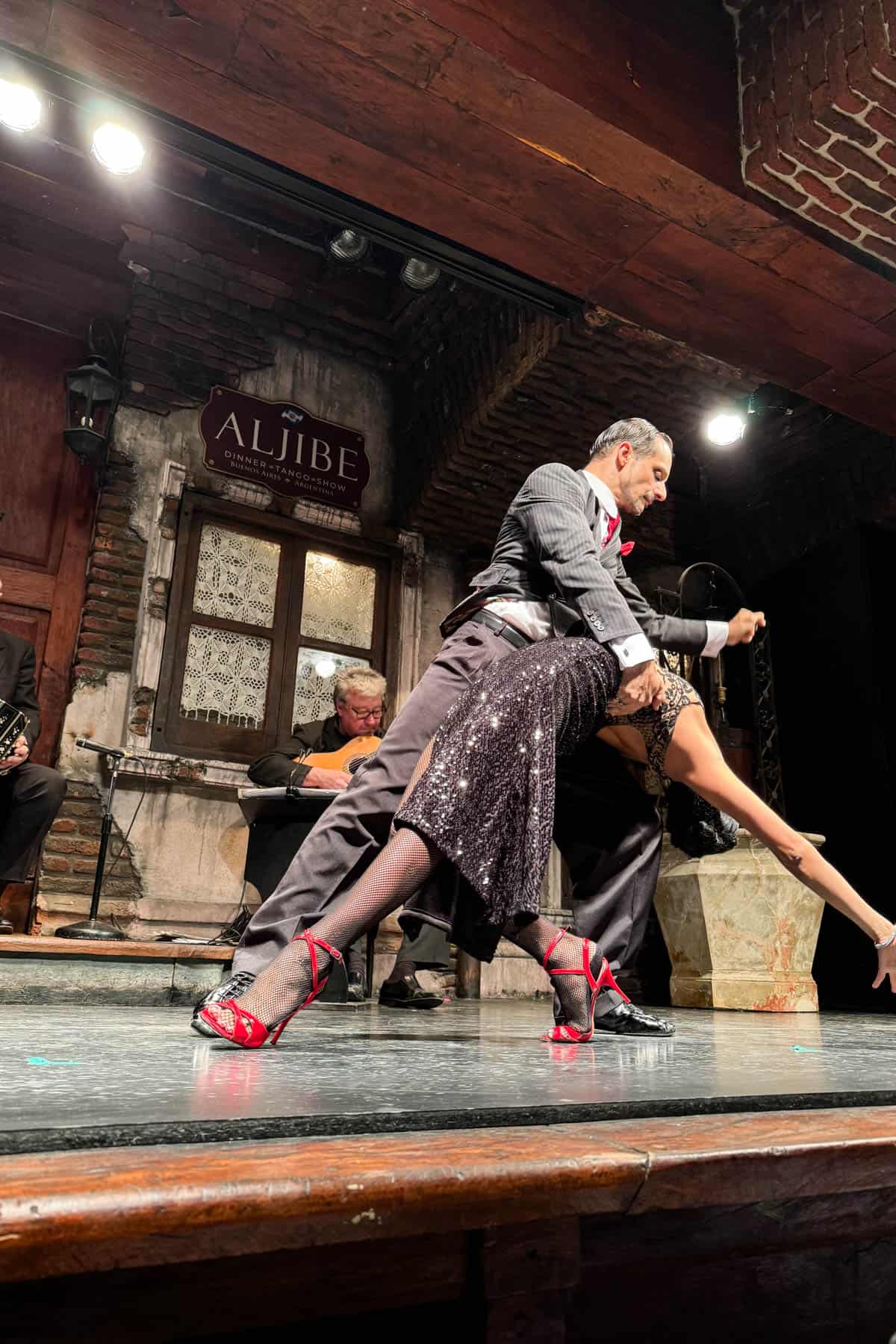
Most performances combine live music (the accordion player was our favorite), powerful singers (I could have listened all night), and world-class dancers (seriously, my jaw was on the floor with every performance). Expect moody lighting, sweeping dresses, sharp footwork, and moments that make the audience collectively hold its breath.
We went to the Aljibe Tango Show because they had an earlier performance with dinner, which was perfect for our family. Other popular tango shows include Tango Porteño, El Viejo Almacén, Café de los Angelitos, Señor Tango, and La Ventana.
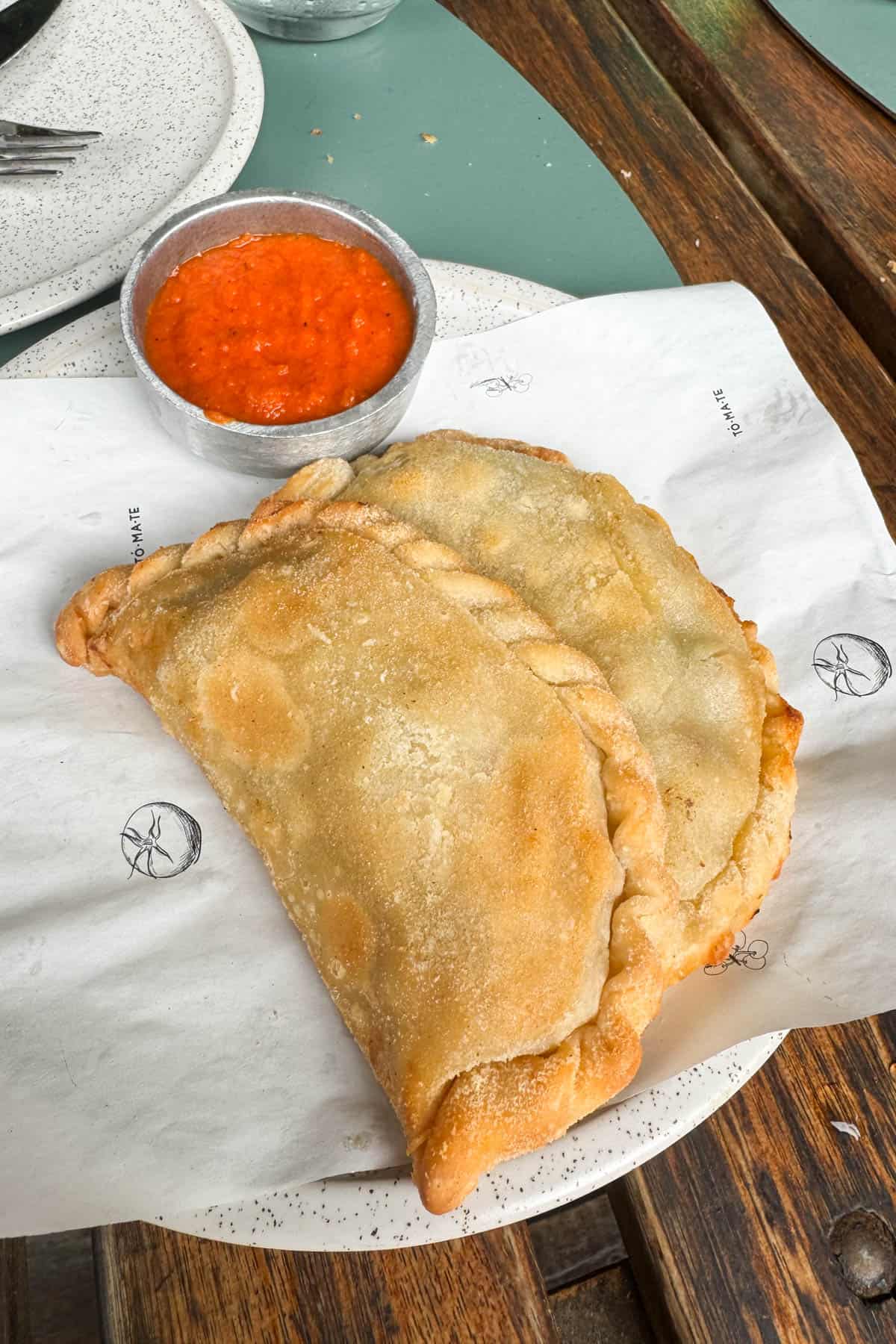
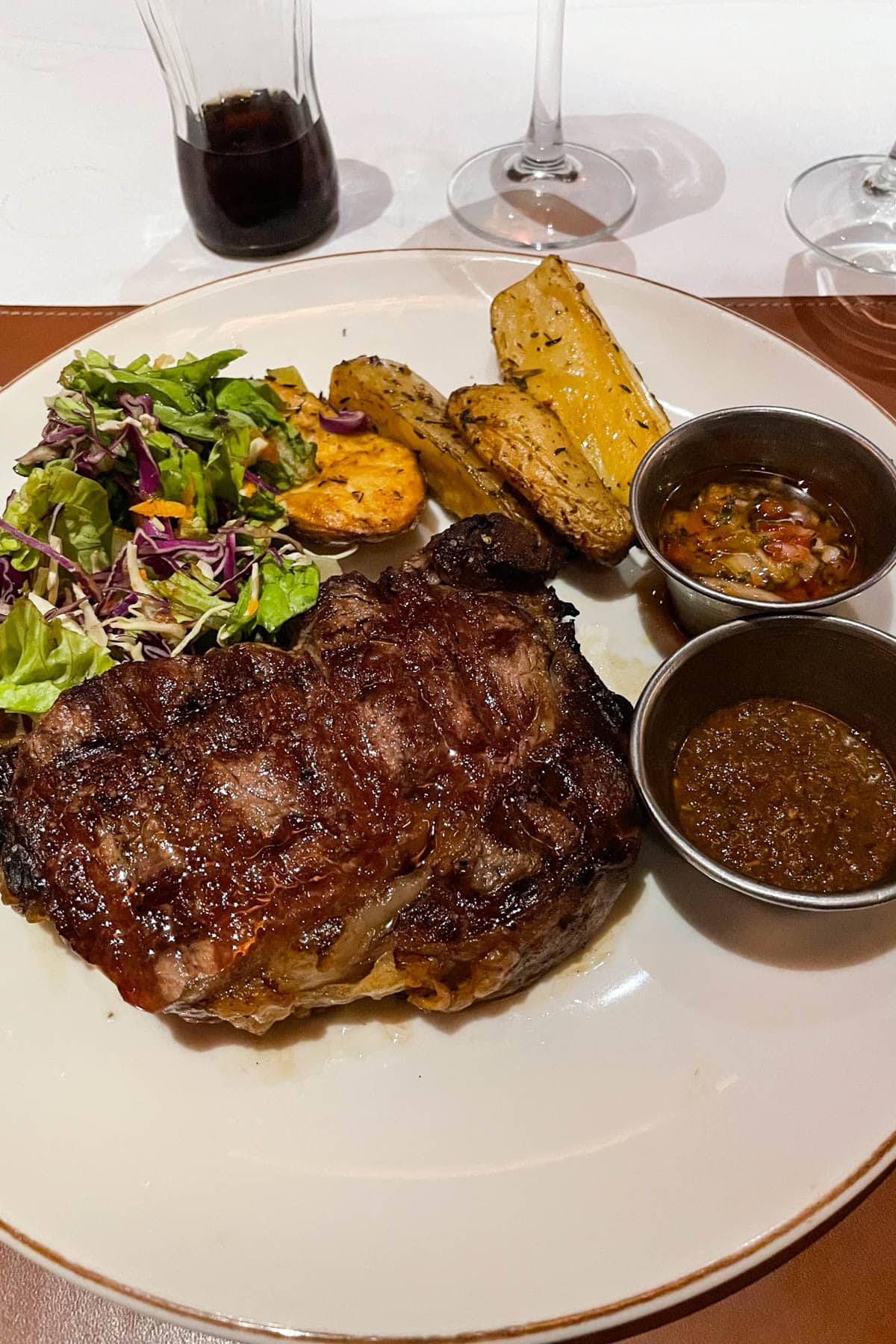
For our meal we enjoyed delicious empanadas and grilled steaks with chimichurri sauce. Everything was delicious!
Want to try it yourself?
Buenos Aires is one of the best places in the world to learn tango, even if you’ve never danced before! The city is full of friendly, beginner-friendly tango classes and experiences designed specifically for visitors, and most teachers welcome students of all ages and skill levels.
Beginner classes typically start with basic steps and rhythm, so no experience is needed. Many places include a mini social dance (called a milonga) at the end of the class so you can try what you learned in a real-world setting and you can even find casual drop-in sessions. Many beginner classes are totally open to kids and teens (sometimes with special family-friendly sessions).
Some of the most popular options for learning tango are La Viruta, Mora Godoy Tango Studio, Escuela Argentina de Tango, and La Catedral Club. They each offer a range of lessons for all levels, have daytime and evening classes, and are known to be very welcoming to newcomers.
Pro tip: Many tours or hotels can arrange private lessons for you, which is great if you want one-on-one attention or a tailored experience.
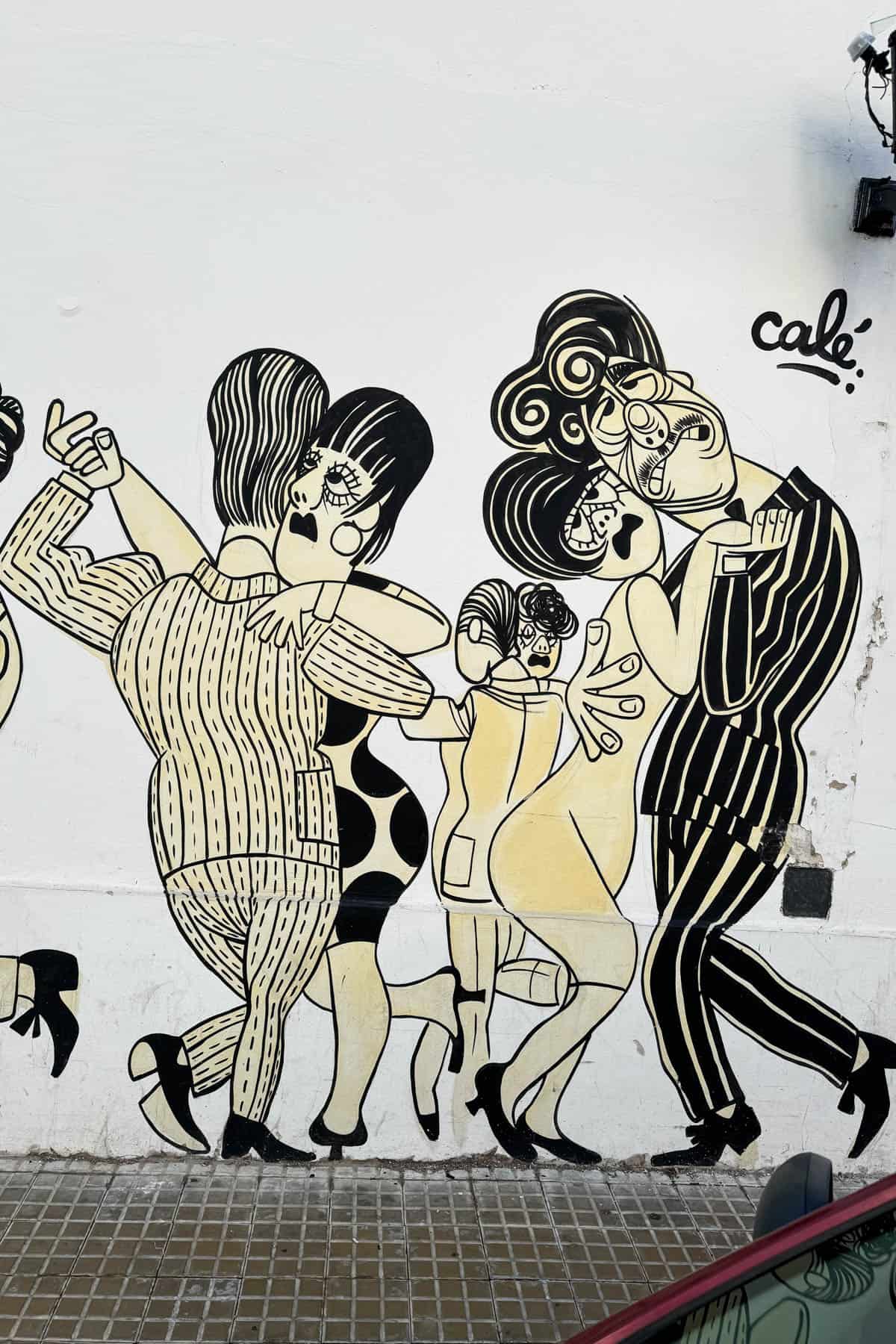
Enjoy the Colors and Flavors of Caminito
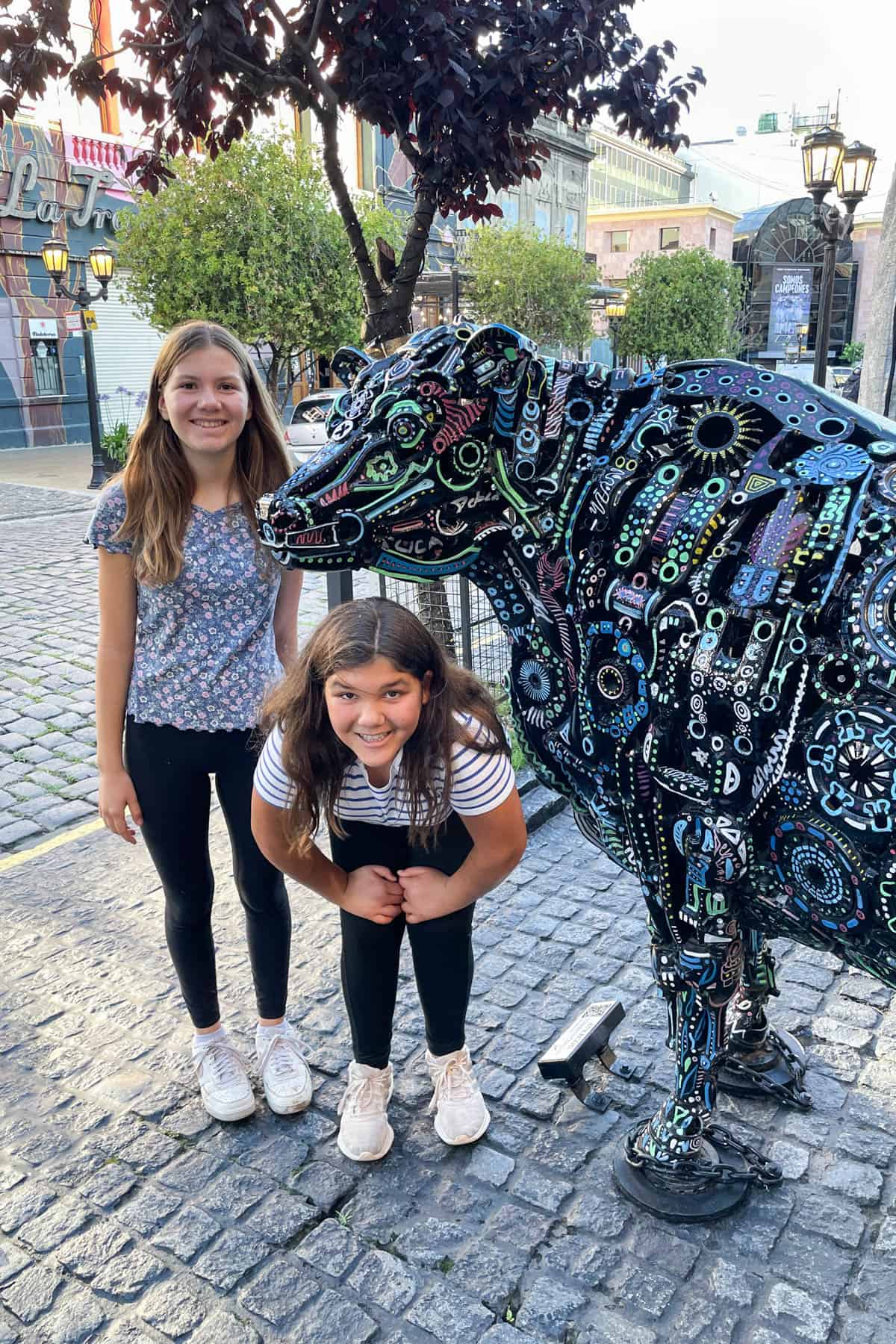
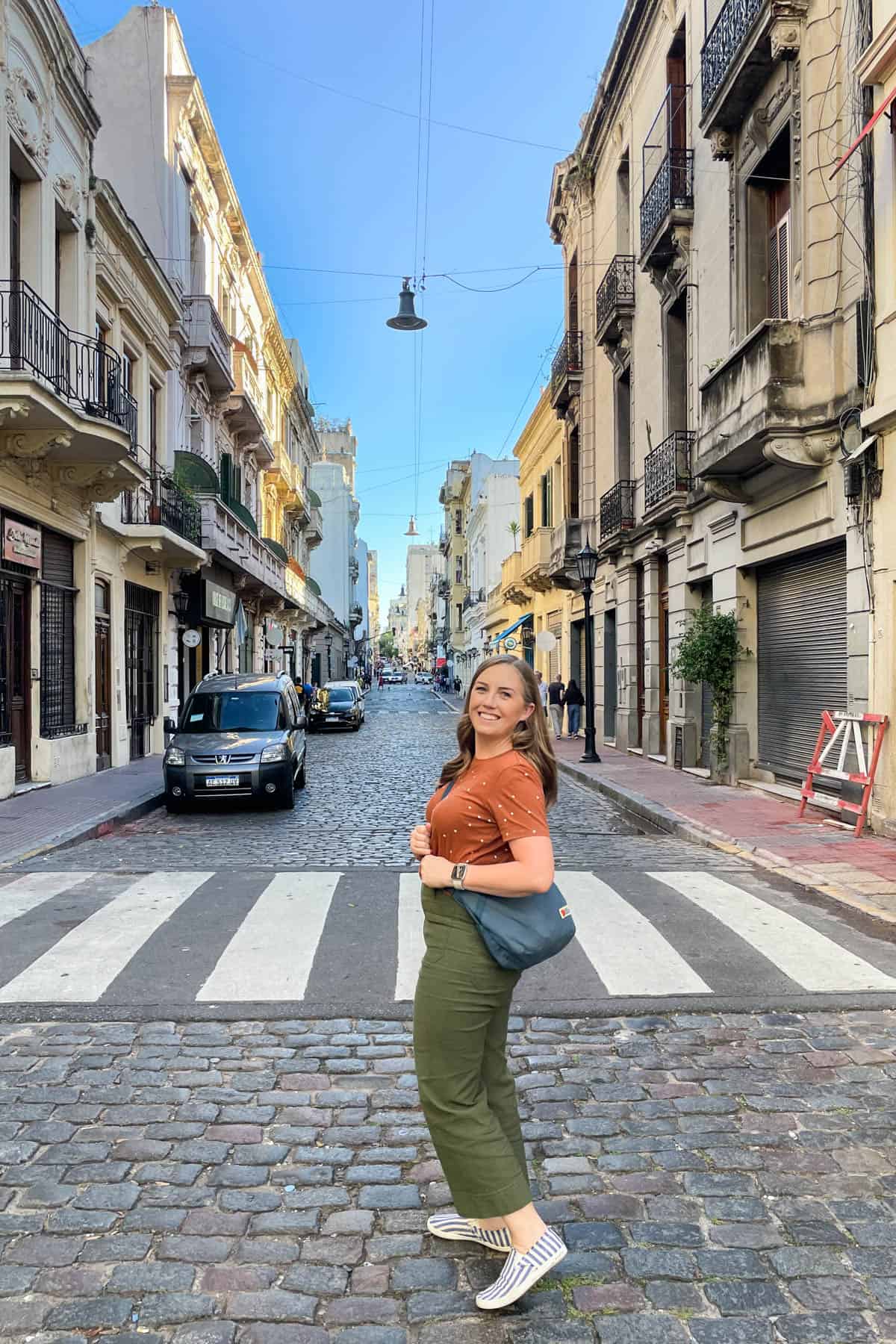
Caminito is one of Buenos Aires’ most colorful and instantly recognizable spots. It is also one of the most photographed places in the city! This was one of the stops on our bicycle tour of the city, but I wanted to go back and spend more time wandering around and taking photos!
Located in the La Boca neighborhood, Caminito is a short, open-air pedestrian street lined with brightly painted buildings. Many of them are made from corrugated metal and painted in bold reds, blues, yellows, and greens. The style dates back to the area’s immigrant roots, when dockworkers used leftover ship paint to beautify their homes. Today, those buildings house artist stalls, cafés, and small galleries or shops.
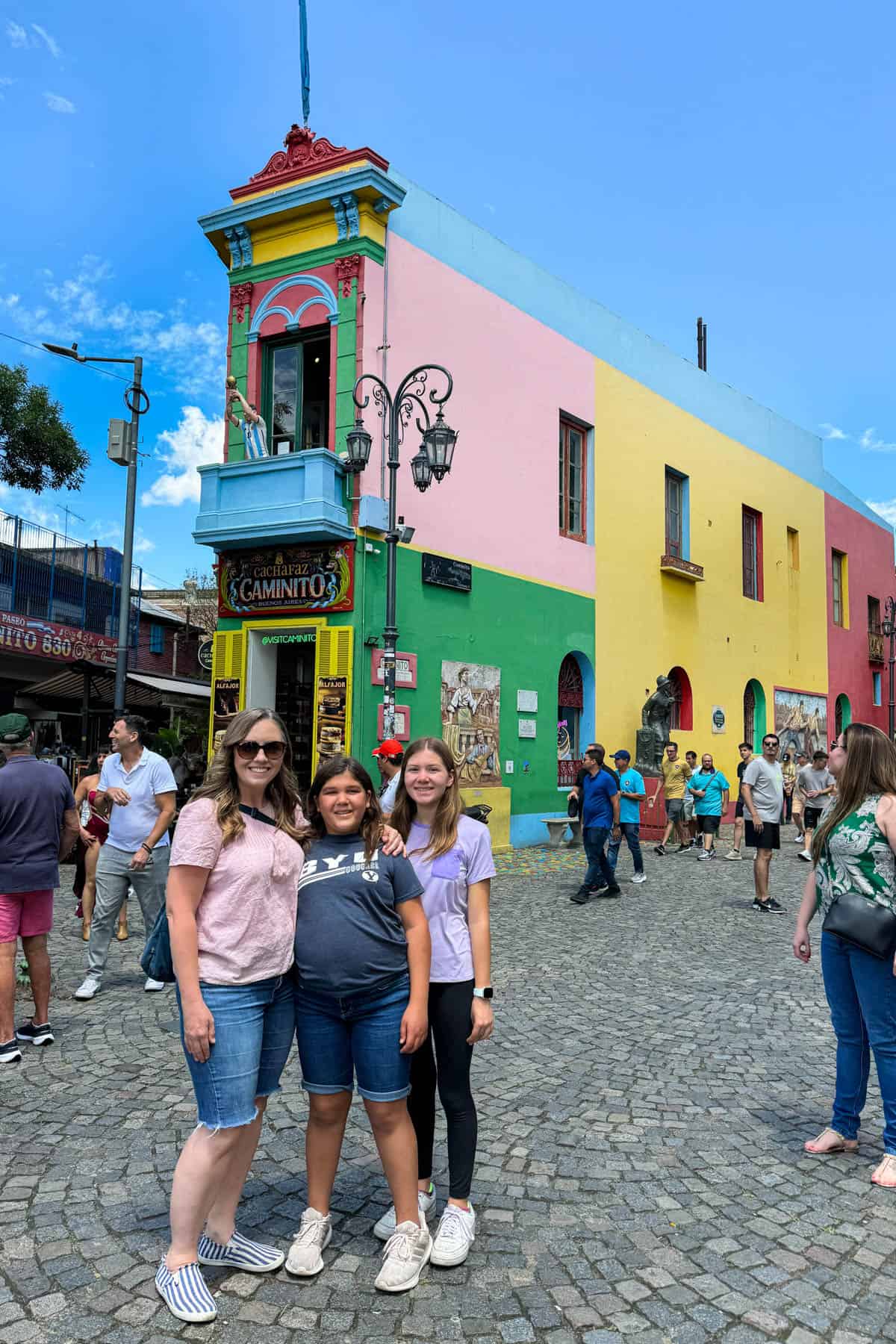
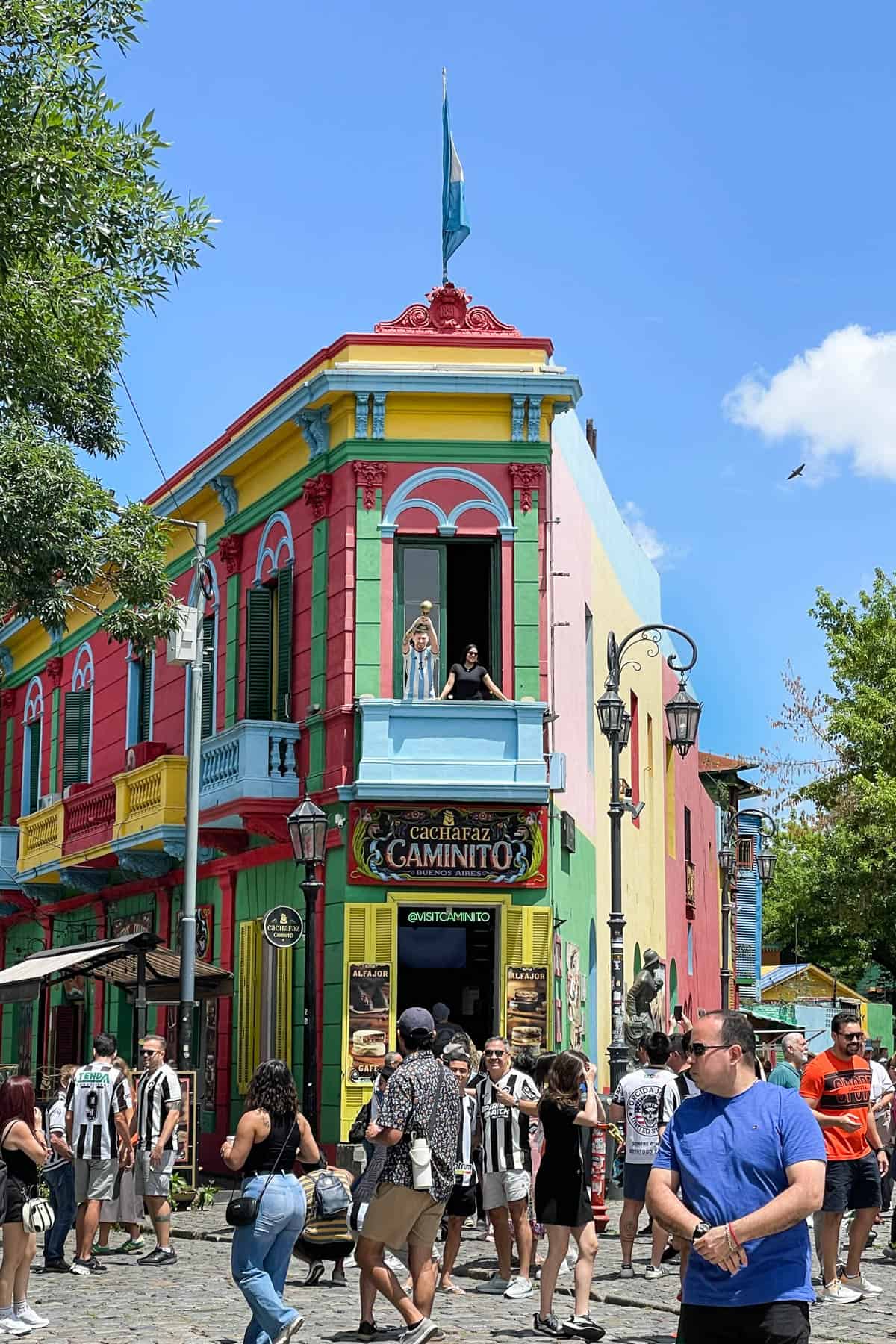
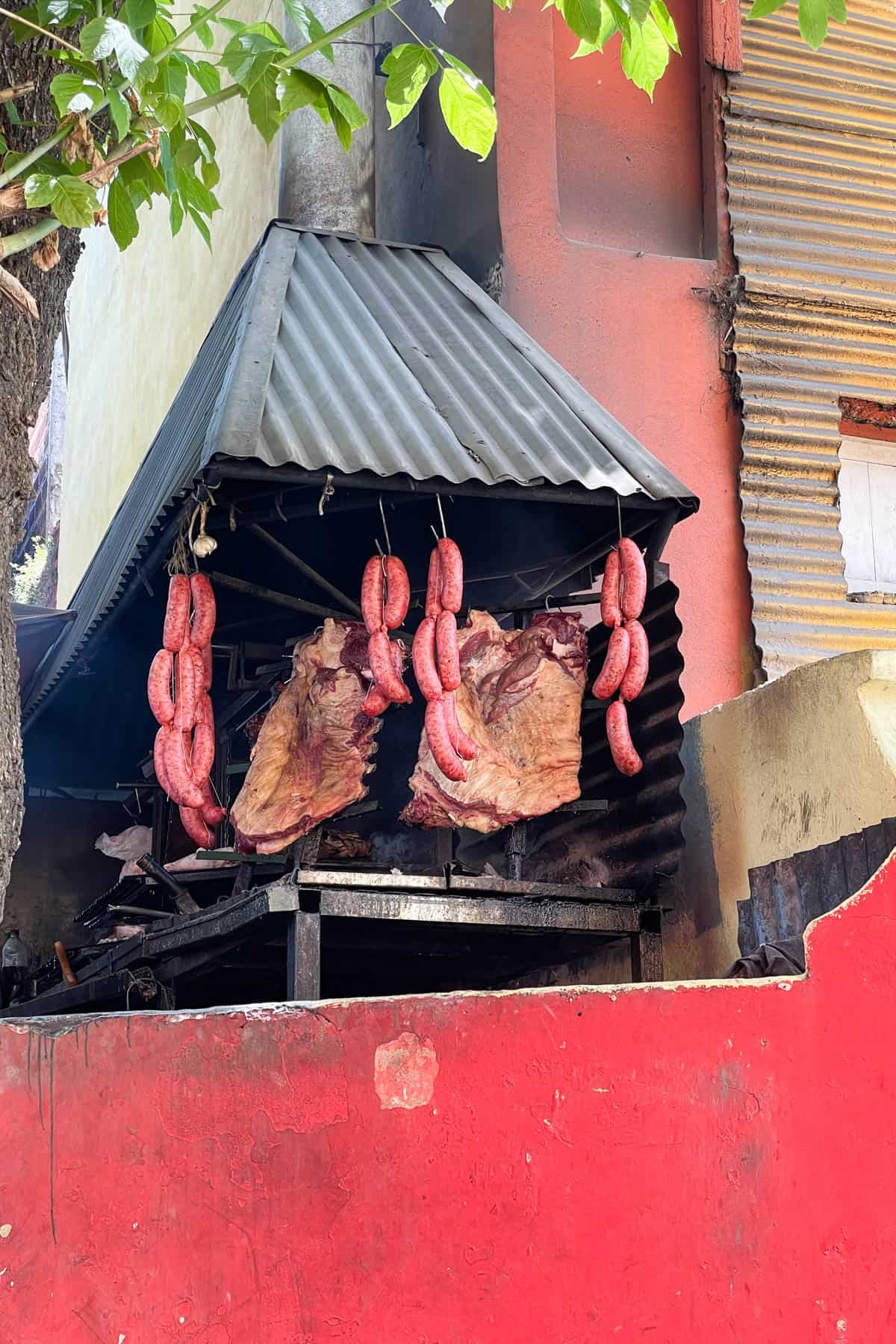
You are also likely to see tango dancers performing in the streets for visitors, as well as painters, murals, and sculptures celebrating Buenos Aires’ working-class and immigrant history. Oh, and don’t forget about the meat and sausages being grilled or smoked all around the neighborhood. It smells incredible.
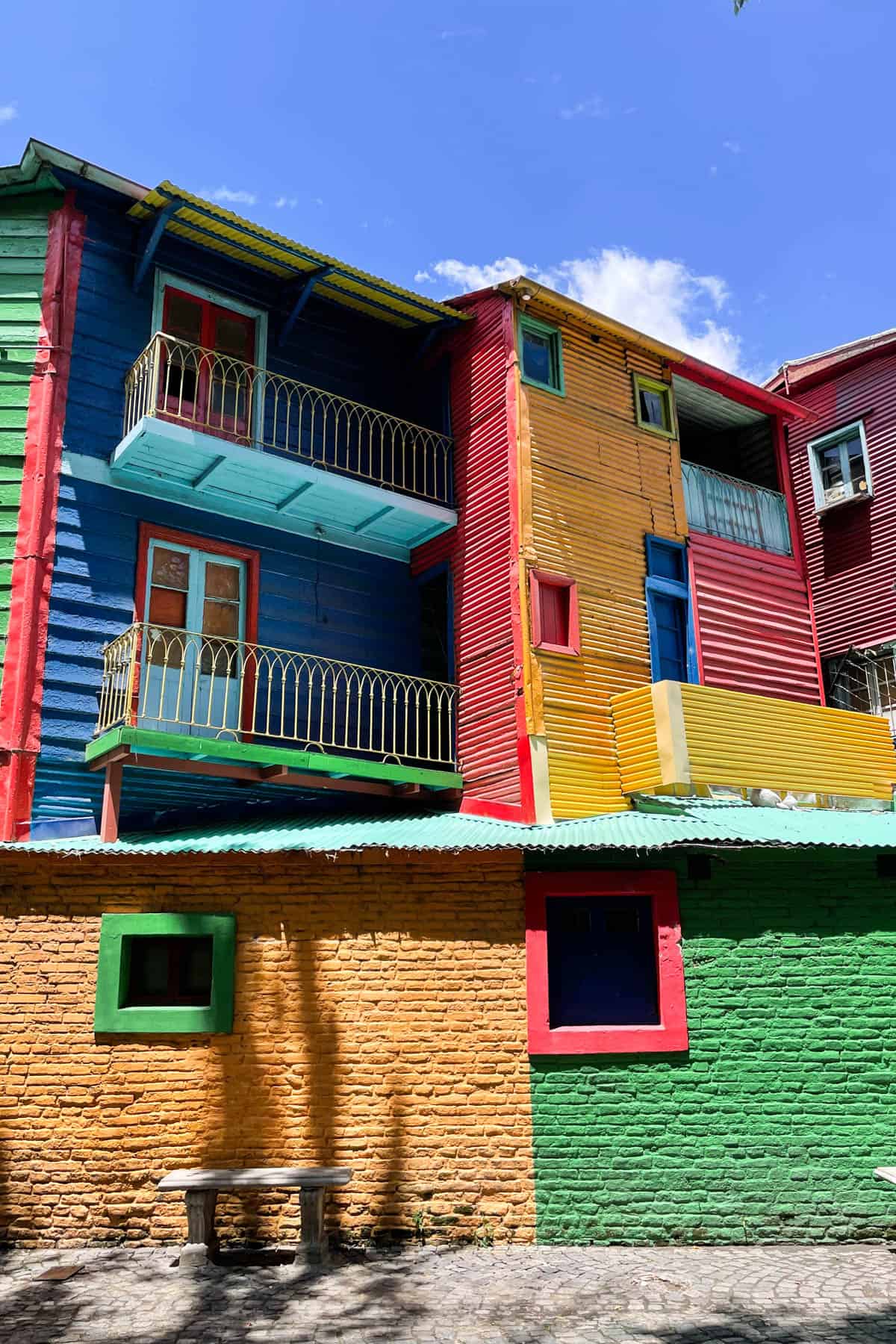
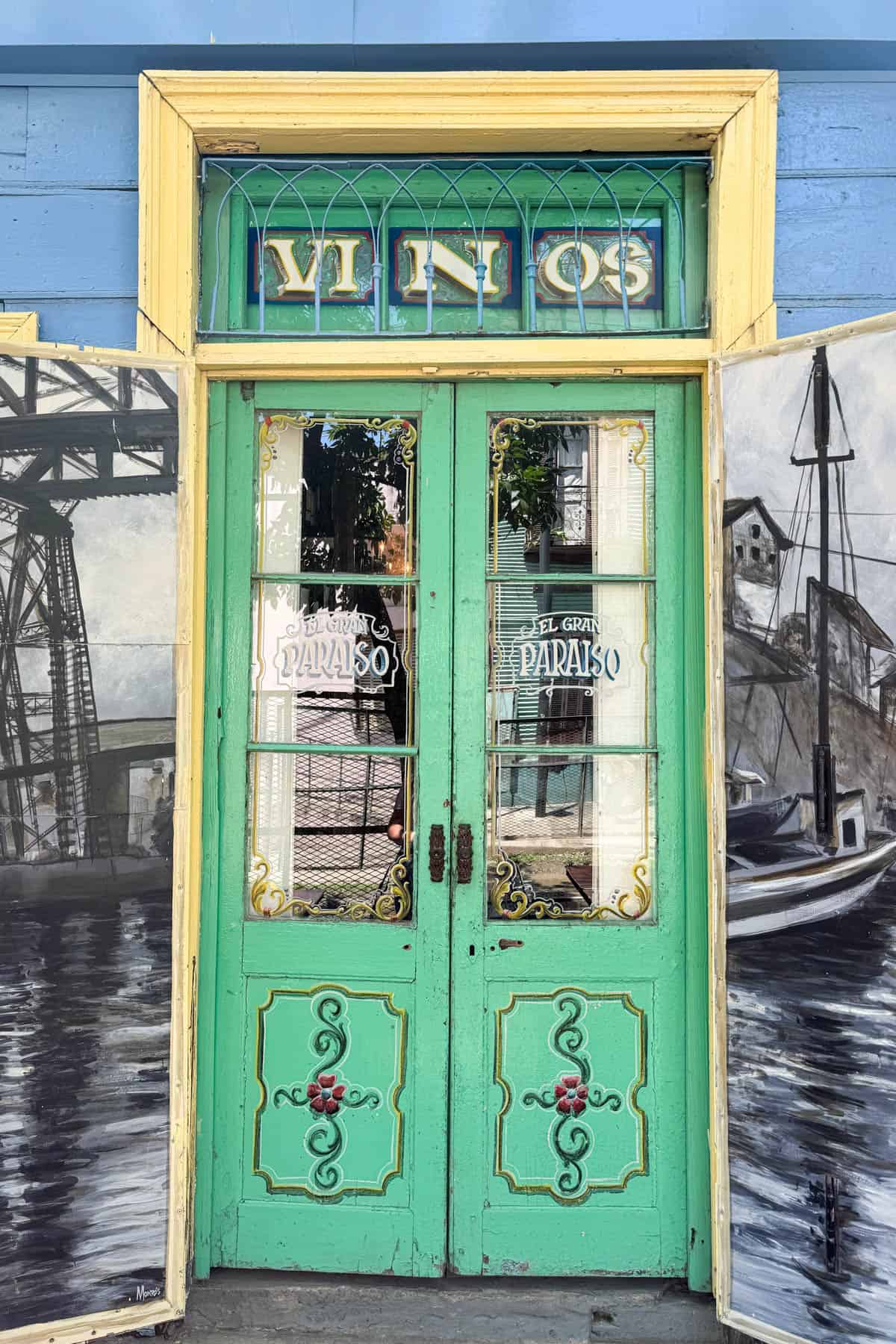
Pro Tip: Caminito is close to the La Bombonera soccer stadium. Even if you aren’t planning on going to a game, it’s a great stop to check out the Boca Juniors’ iconic soccer stadium.

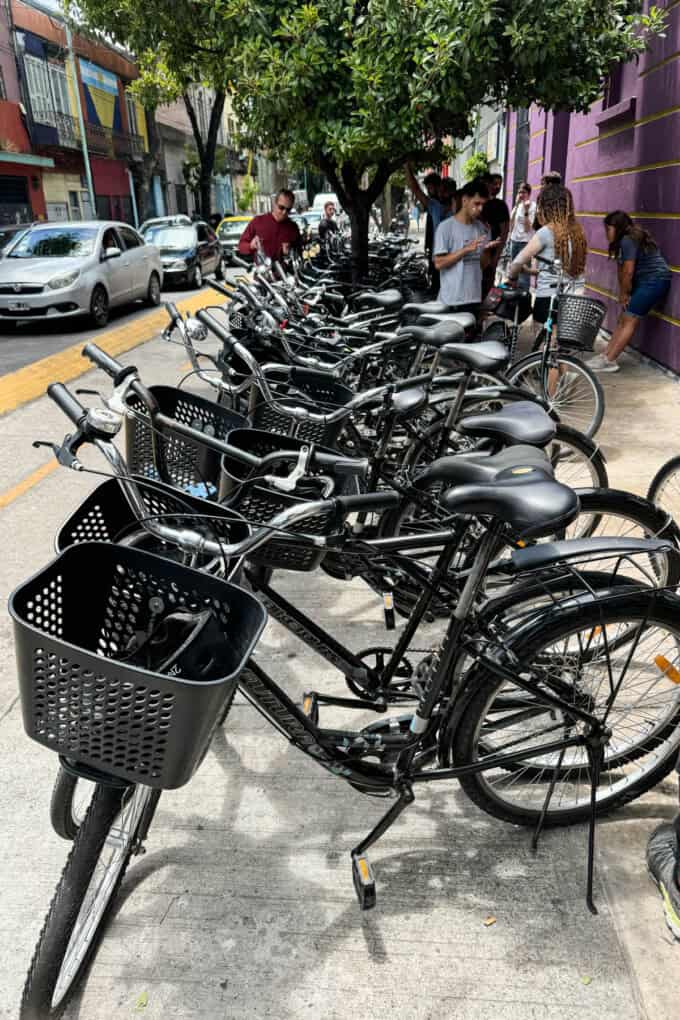
Orient Yourself with a Bike Ride
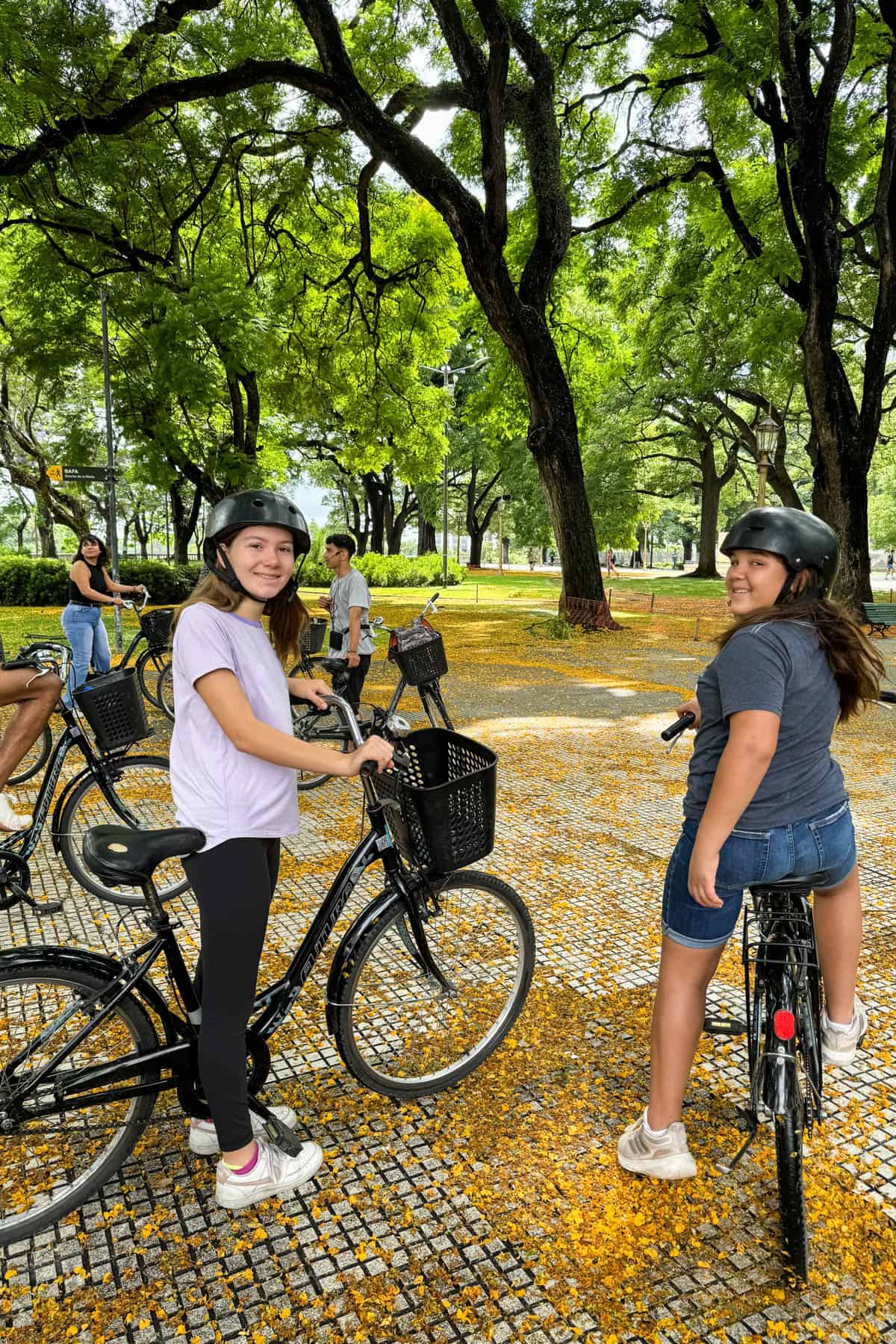
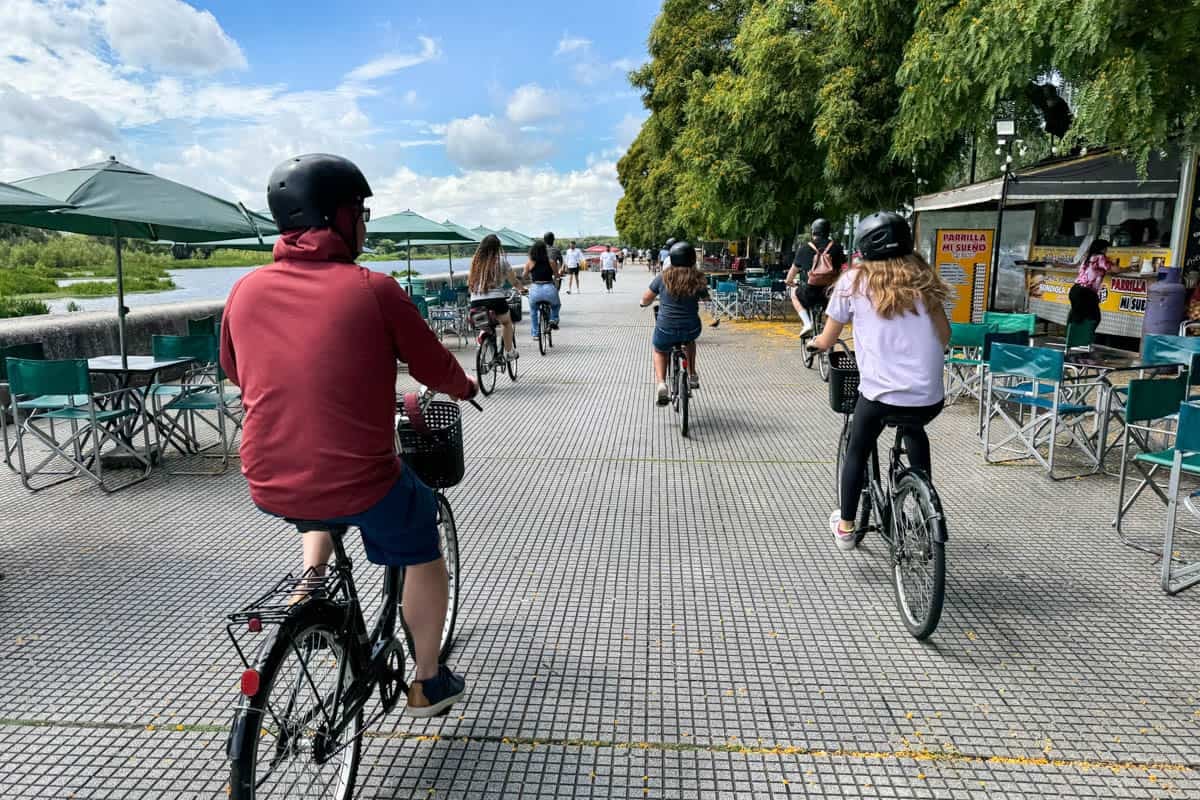
This is one of our favorite ways to explore a new city when we are traveling, especially with our kids. There are bike tours offered multiple times a day by different operators who provide you with all the equipment you need, including helmets, bikes, and a knowledgeable guide who will take your group around and point out important landmarks, tell stories about the history of the city, and help you see a lot of the highlights in a really approachable way.
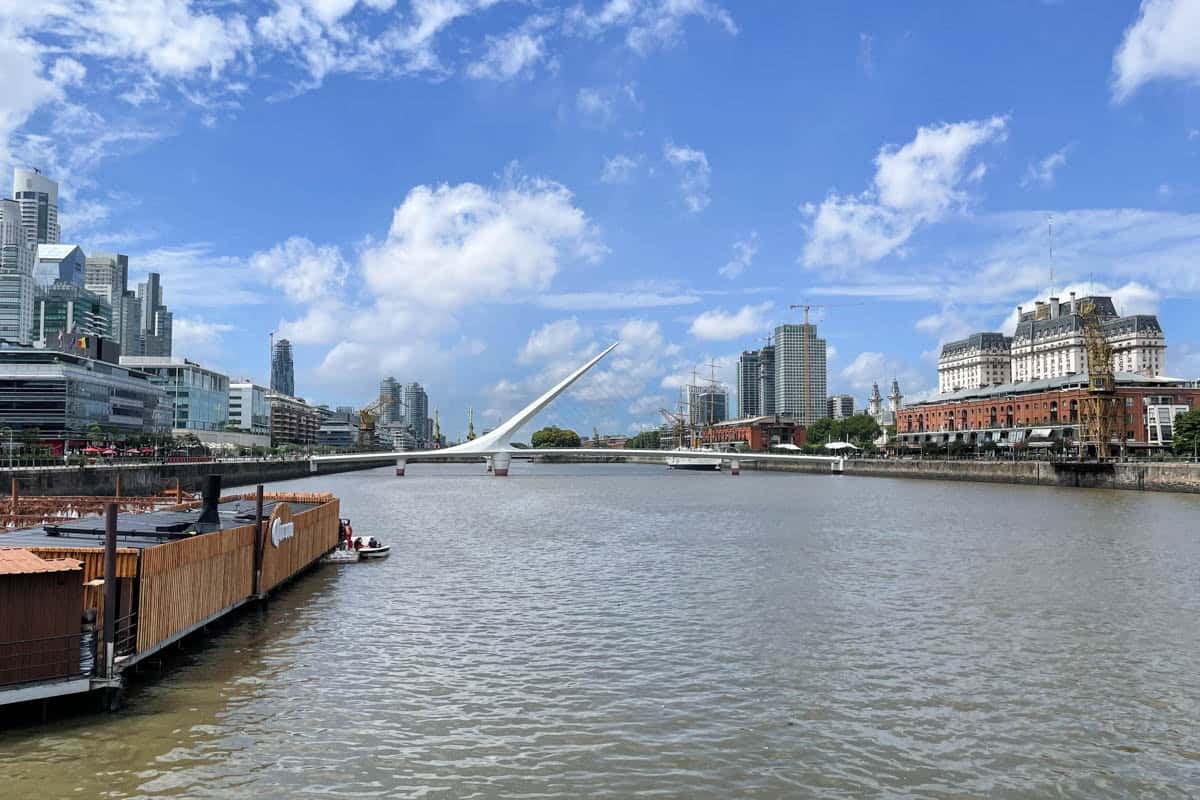
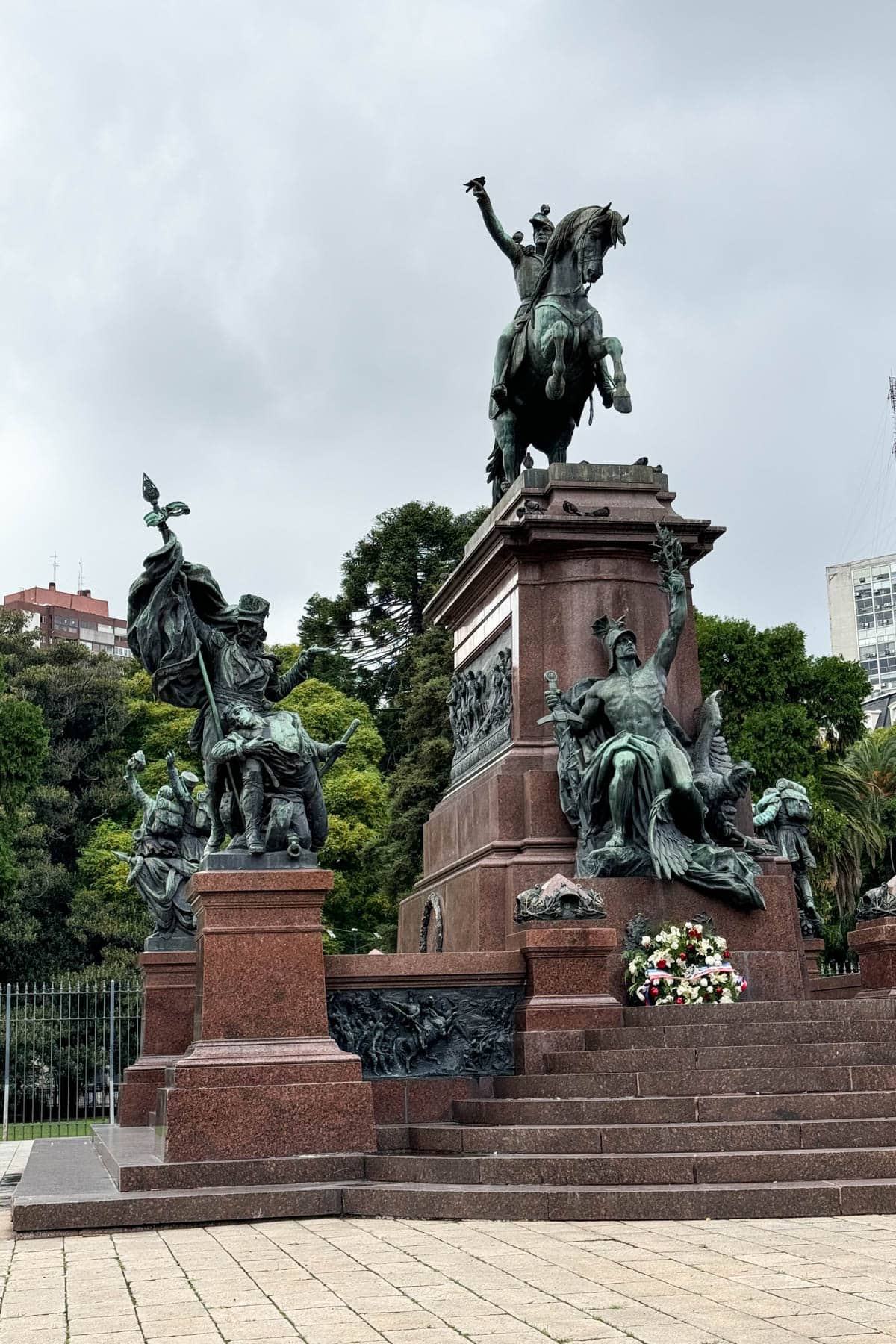
We met our group at Plaza San Martin in the Retiro neighborhood near downtown in front of the equestrian statue of General José de San Martín. It is one of the most famous monuments in Buenos Aires and General San Martín is Argentina’s most revered national hero who was the key leader in the independence movements of Argentina, Chile, and Peru. The statue has been there since the 1860’s and it in a beautiful setting, so it’s a great spot for walking, taking photos, or just taking a break from the city.
Cheer on a Local Team
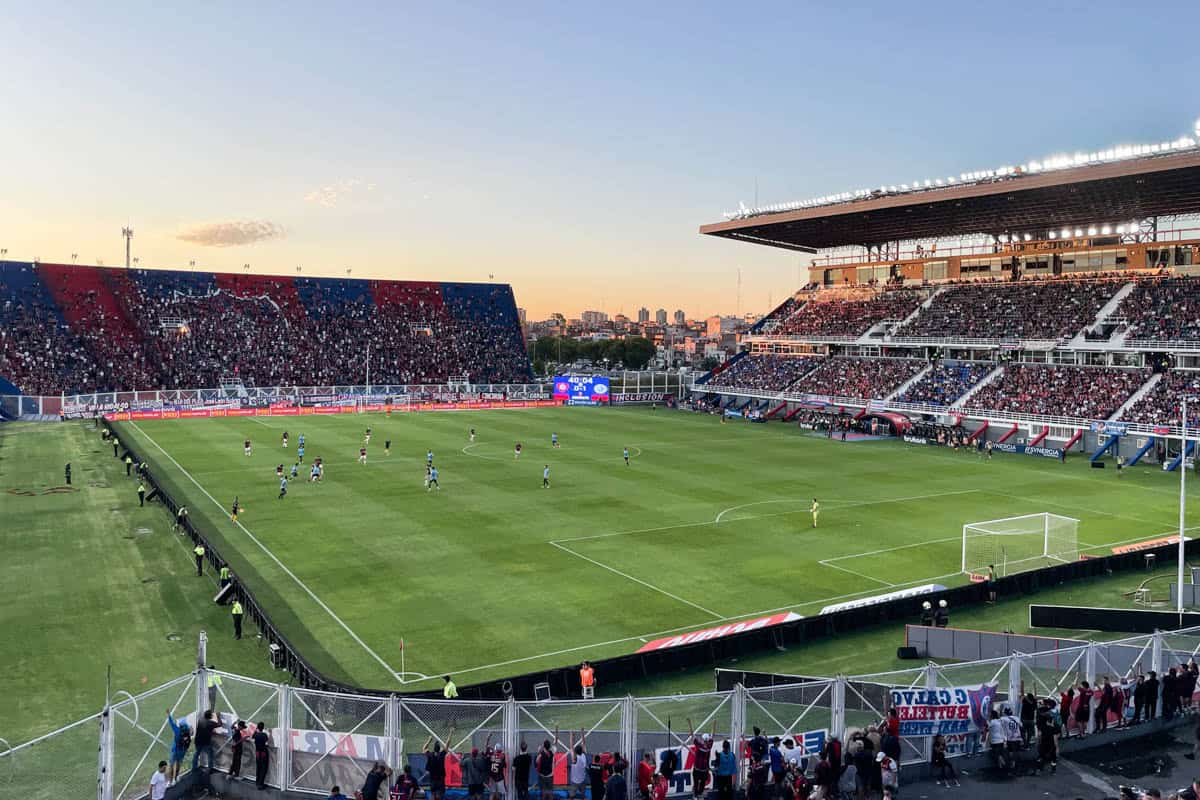
Seeing a live soccer (fútbol) match in Buenos Aires was one of the most unforgettable parts of our visit, and we aren’t even huge sports fans. It’s loud, passionate, communal, and a true slice of local culture. That said, getting in as a visitor isn’t as simple as buying a ticket at the stadium like you might in many other countries.

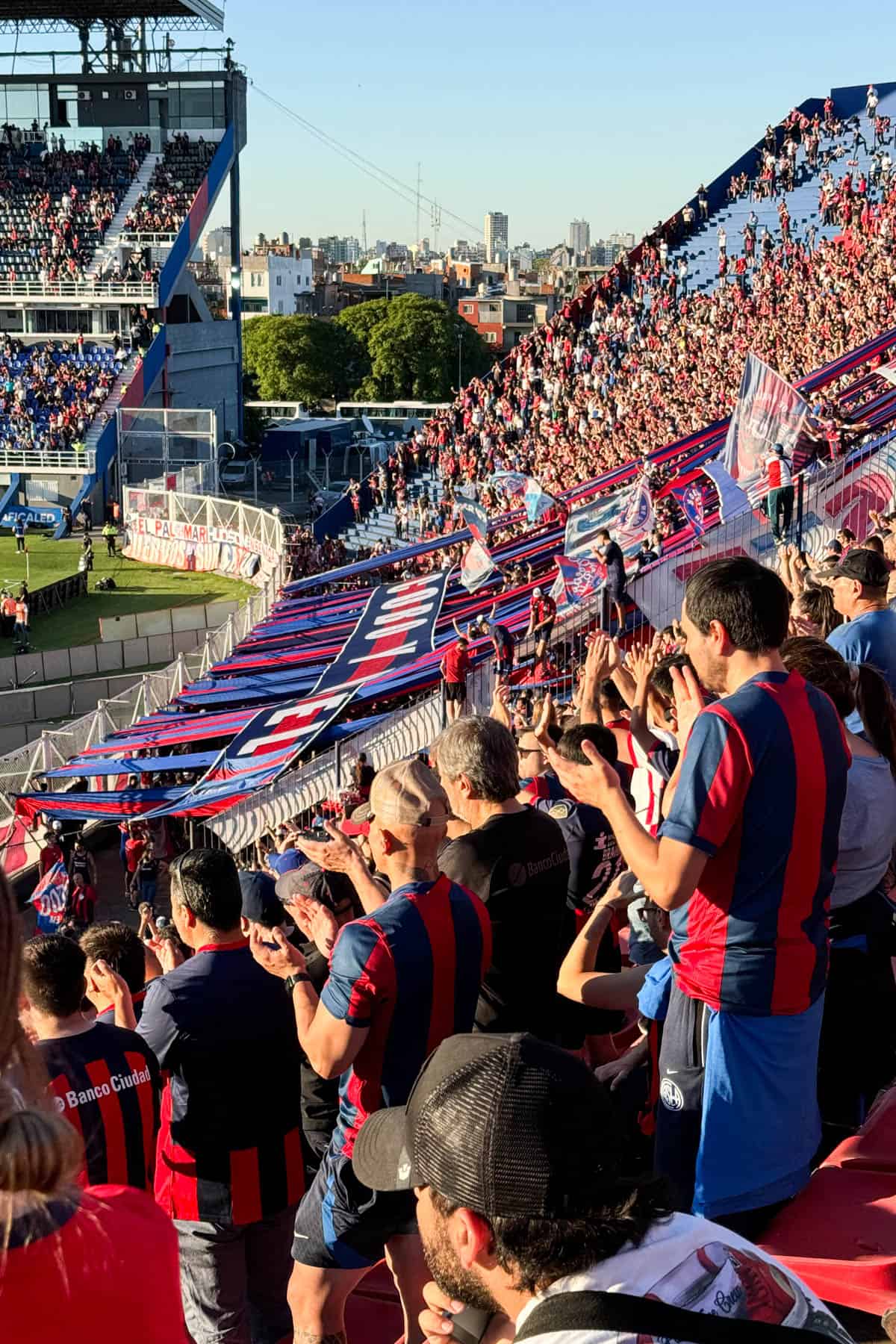
Argentinians are famously loyal to their favorite soccer teams and players (Lionel Messi, who is widely regarded as one of the greatest players of all time, is a national icon in Argentina). Clubs like Boca Juniors and River Plate prioritize club members and socios, so regular public ticket sales are limited or nonexistent. For Boca especially, there often aren’t tickets available directly to tourists unless you work through a trusted third-party provider or tour.
The best way for you to attend as a visitor is to book a match day tour or experience (we booked ours as an AirBnB experience). It’s honestly the easiest and probably safest way to attend a game since the tour operator handles ticket purchase and delivery, transportation to and from the stadium (usually), and a local host or guide to help you navigate the crowds and understand the customs involved. Like we had no idea that it was really important not to wear certain colors to certain matches or you won’t even be allowed in the game since only the home team’s colors can be represented in the stadium.
Other things to remember:
- Bring valid ID. It’s required at many stadiums (we needed our passports to attend!).
- Arrive early. The pre-game energy is a big part of the fun and there are food vendors grilling outside the gates if you want a snack and merch vendors if you want to buy shirts to represent your team (we did and it was so fun to be matching with the crowd).
- Choose your seat wisely. The support sections can be amazing but LOUD. And most of them stand and chant or sing for the entire match. We were kind of on the fringes of a main supporter section and the energy was awesome but could be a lot for smaller kids.
Visit an Estancia
If you ask our kids what their favorite thing we did in Argentina was, they would tell you it was going horseback riding at an estancia (a traditional ranch) in the Argentine countryside.
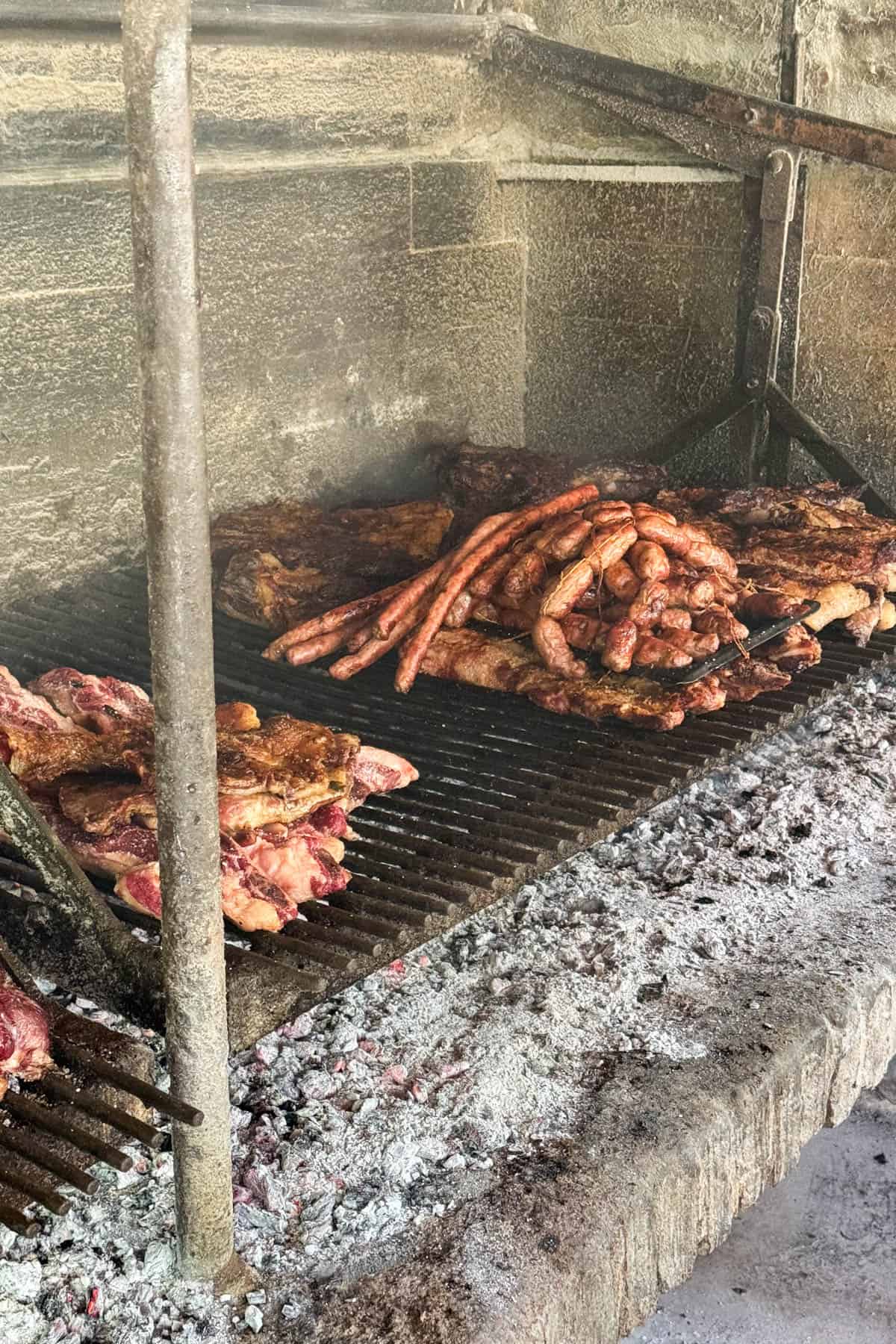
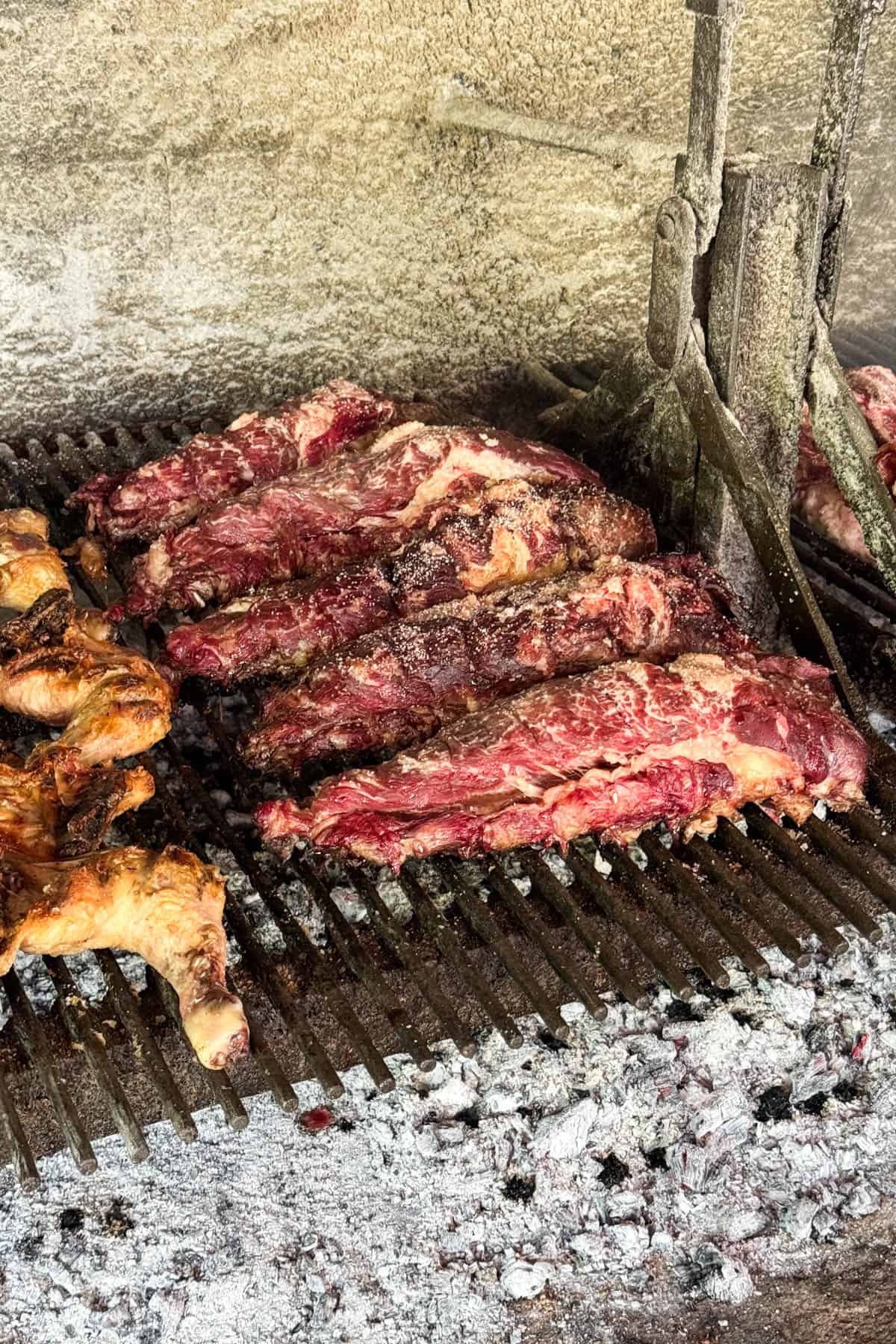
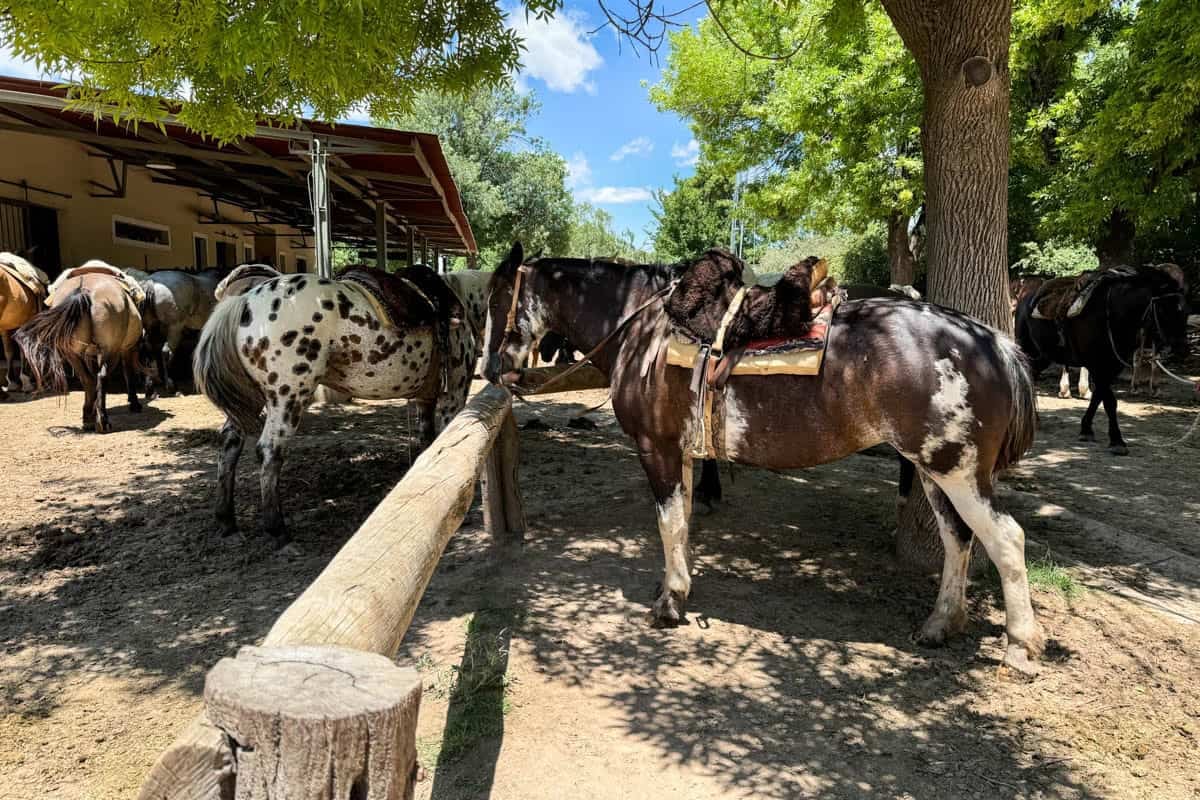
Just outside the city, Argentina opens up into wide-open country that feels worlds away from the urban buzz of Buenos Aires. Visiting an estancia is one of the best ways to experience this slower, deeply rooted side of Argentine culture. We went horseback riding across rolling land on beautifully cared for horses, ate a long and relaxing asado-style grilled meat lunch, and wound down with an easygoing pace that was the perfect finish to our whirlwind trip to four countries in South America.
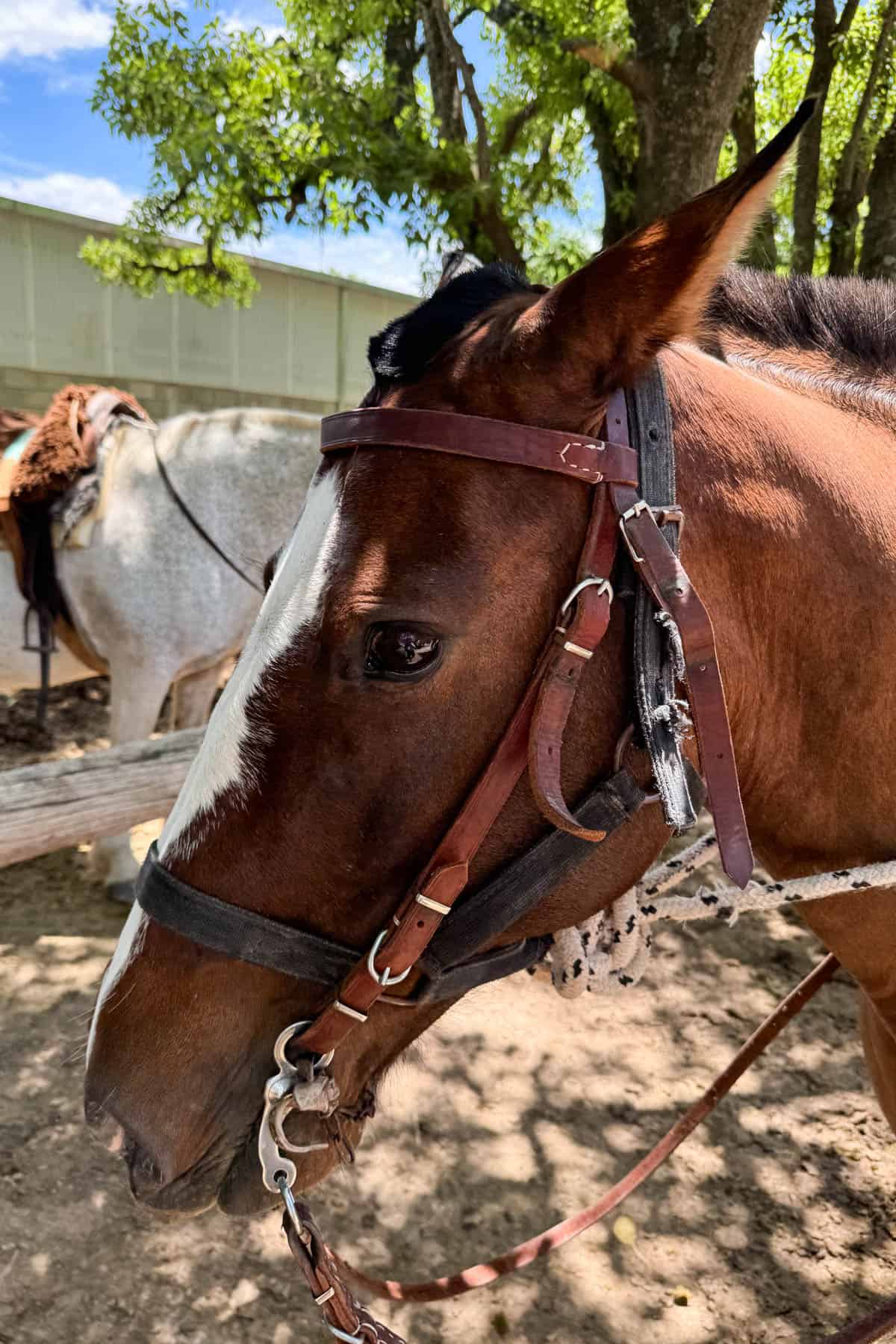
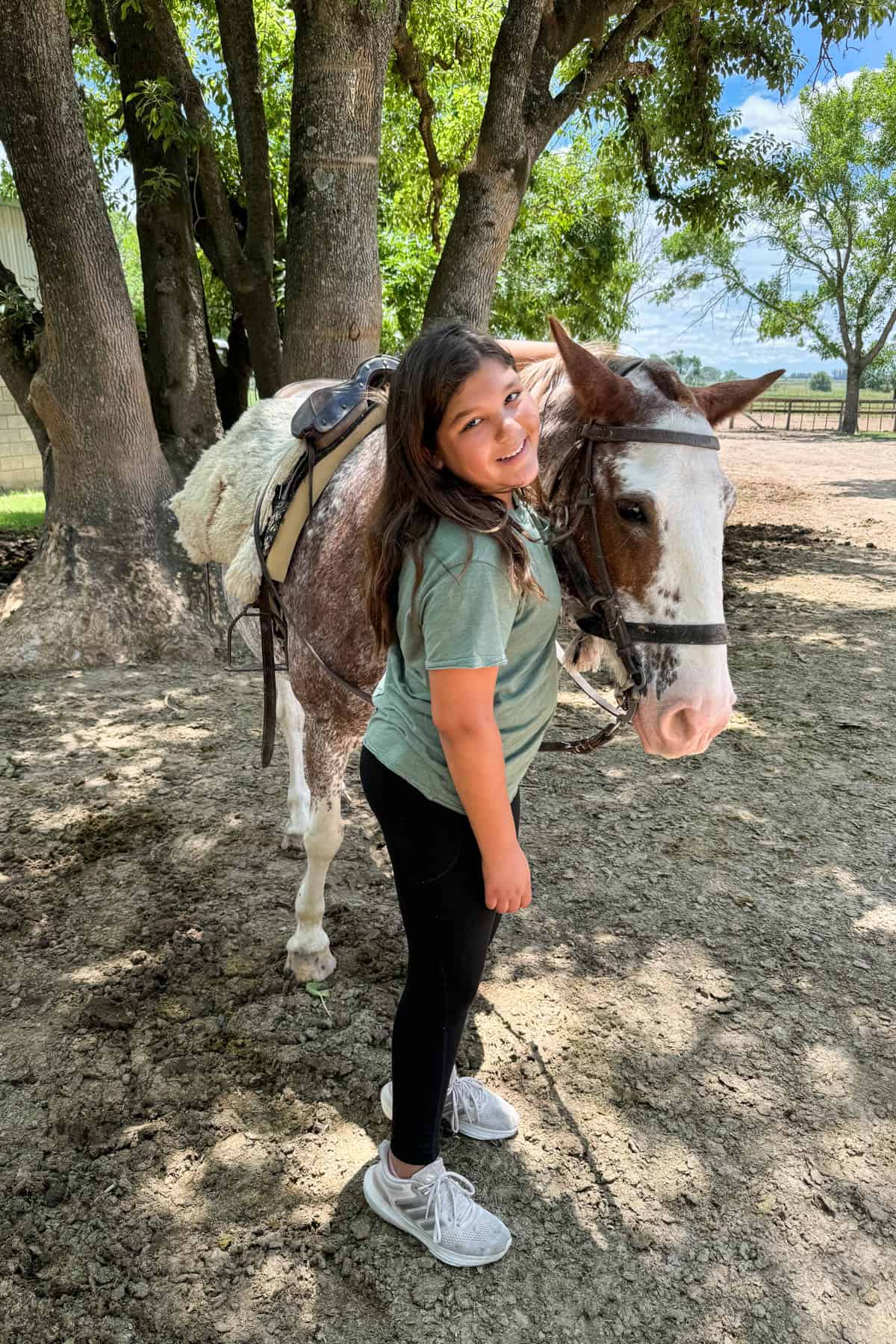
Each estancia is special and takes a slightly different approach, but a typical day includes time in the saddle with experienced guides or riding in a horse-drawn buggy or carriage, if you don’t fancy mounting a horse. The horses are very well trained and gentle, and the trail is mostly flat and meandering so you don’t need to worry about a wild ride.
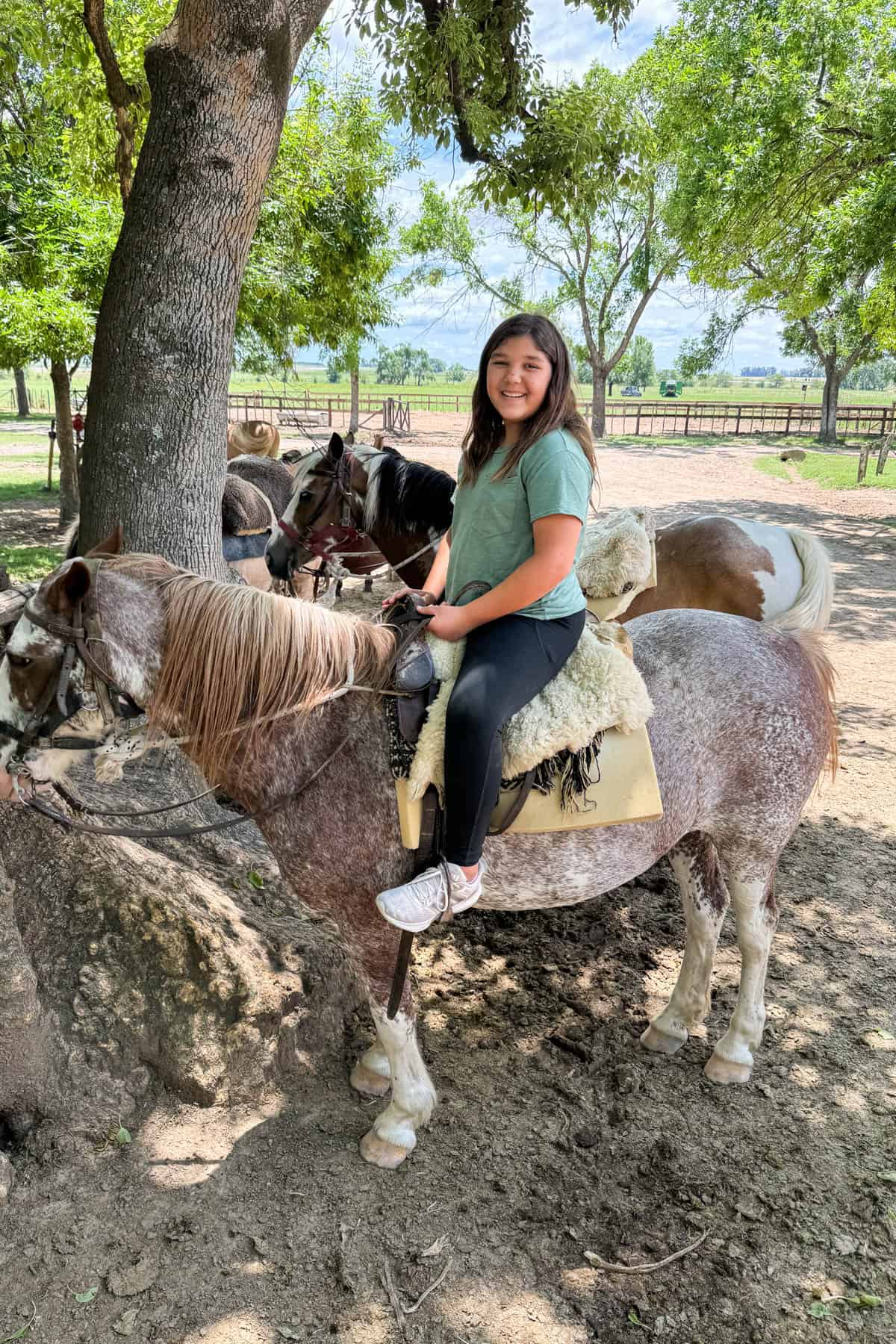
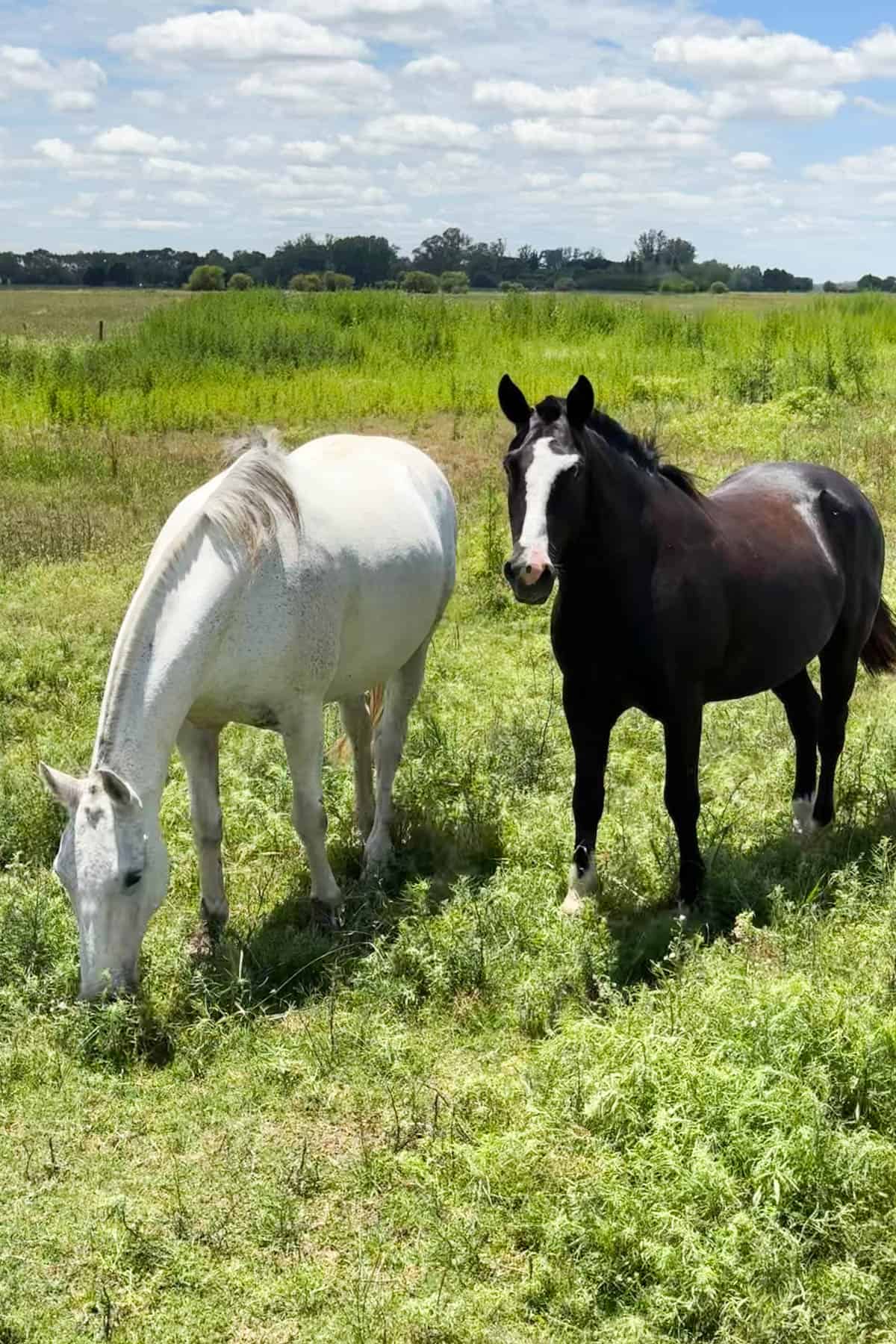
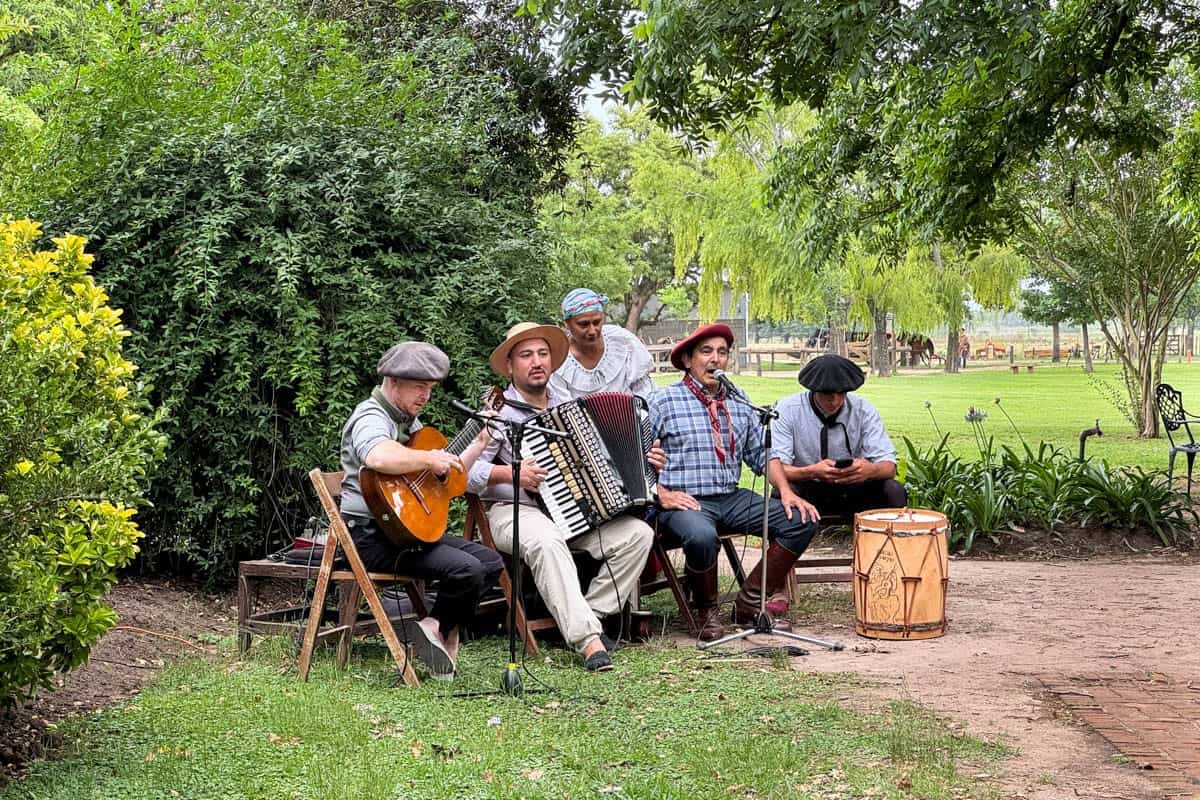
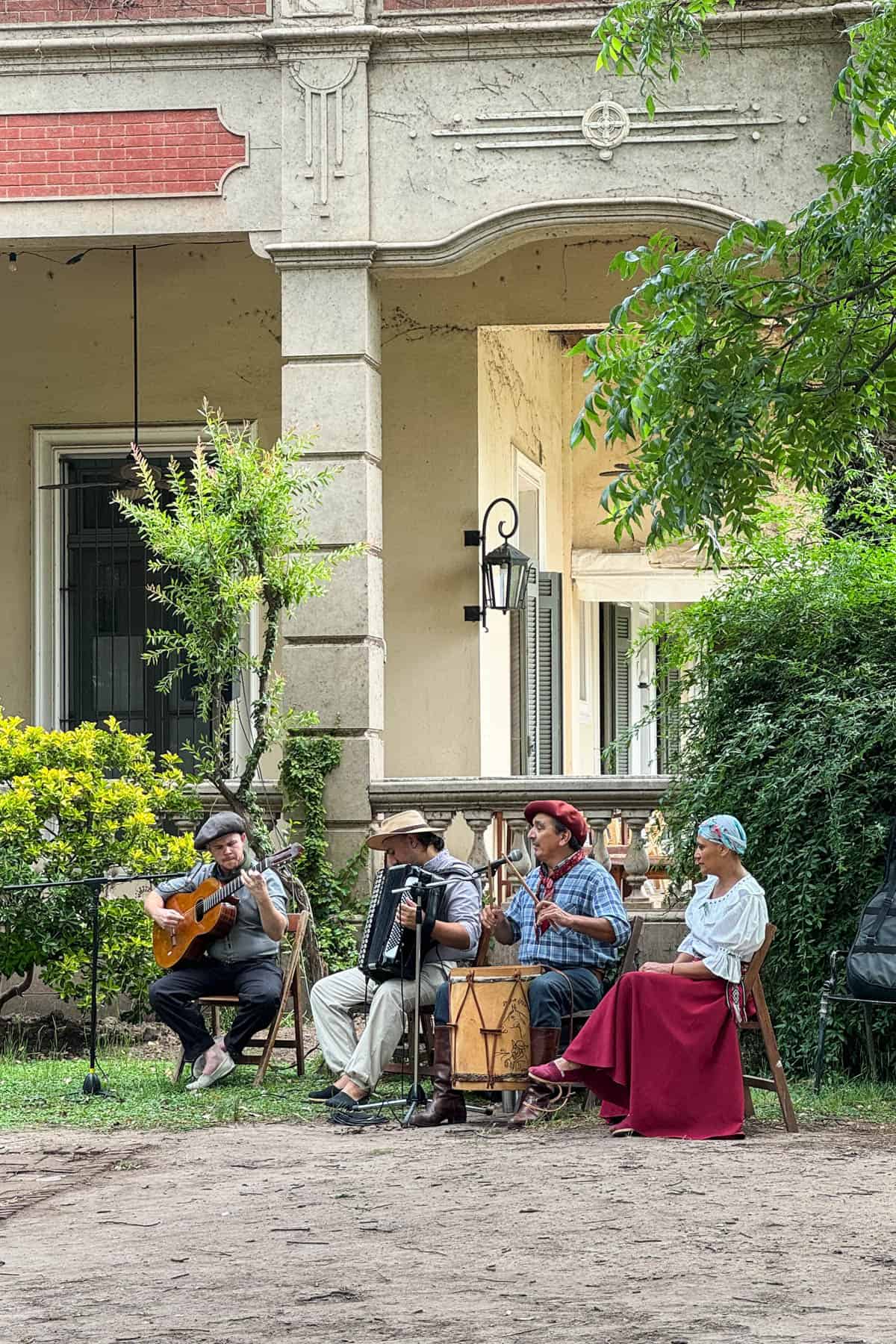
Afterwards you will be treated to a feast of wood-fired meats, fresh bread, and drinks (I hear the local wine is particularly good, although we don’t drink) and enjoy live folk musicians, watch gaucho-style dancing, or even watch gaucho performances where riders or trainers show off their horsemanship and skills. It’s a beautiful way to experience a sliver of the rural life and heritage of this part of the country.
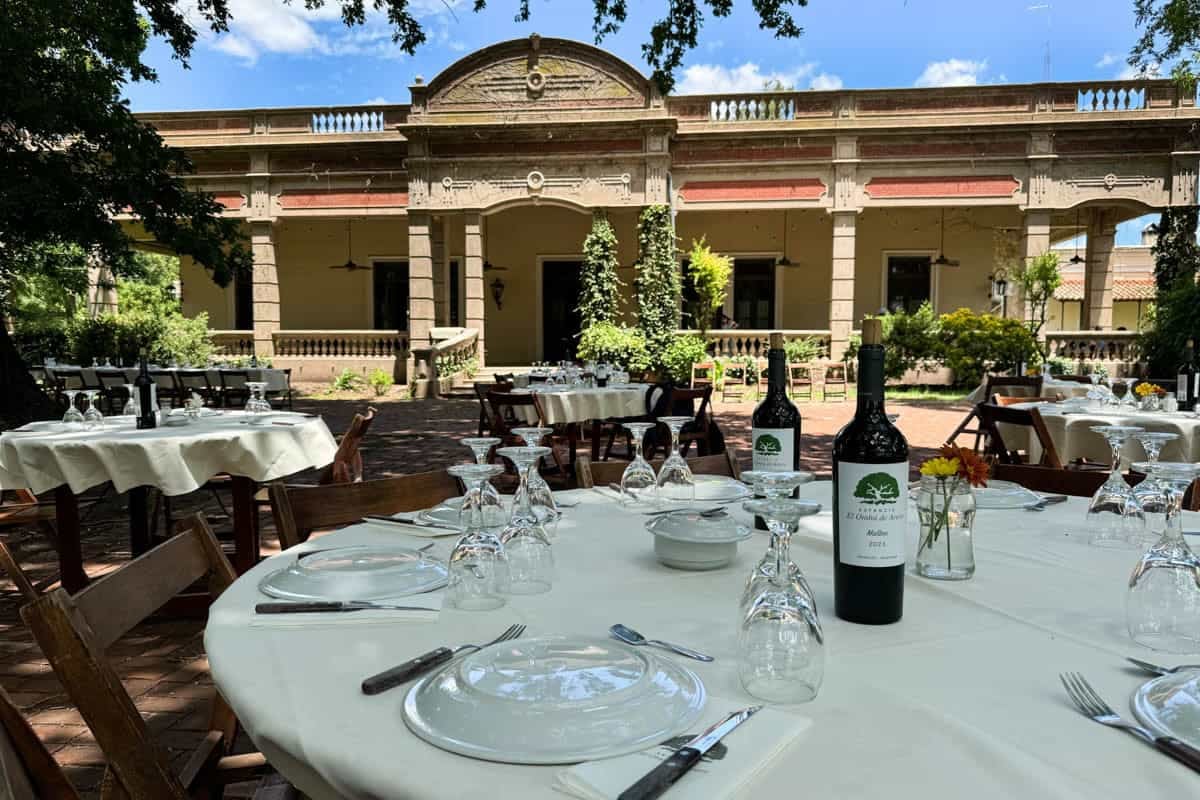
We were even invited to check out the parilla or grill where the meat for our meal was prepared over charcoal. This low and slow cooking method is a cornerstone of Argentine culinary culture. We enjoyed bife de chorizo (sirloin), chorizo (sausages) and asado (ribs) with fresh chimichurri.