Washington, D.C. is one of those cities where you could easily spend a week and still not see everything But you can absolutely have a rich and meaningful visit in two or three full days if you prioritize well. Here’s how we approached it, along with practical tips so you can plan realistically.
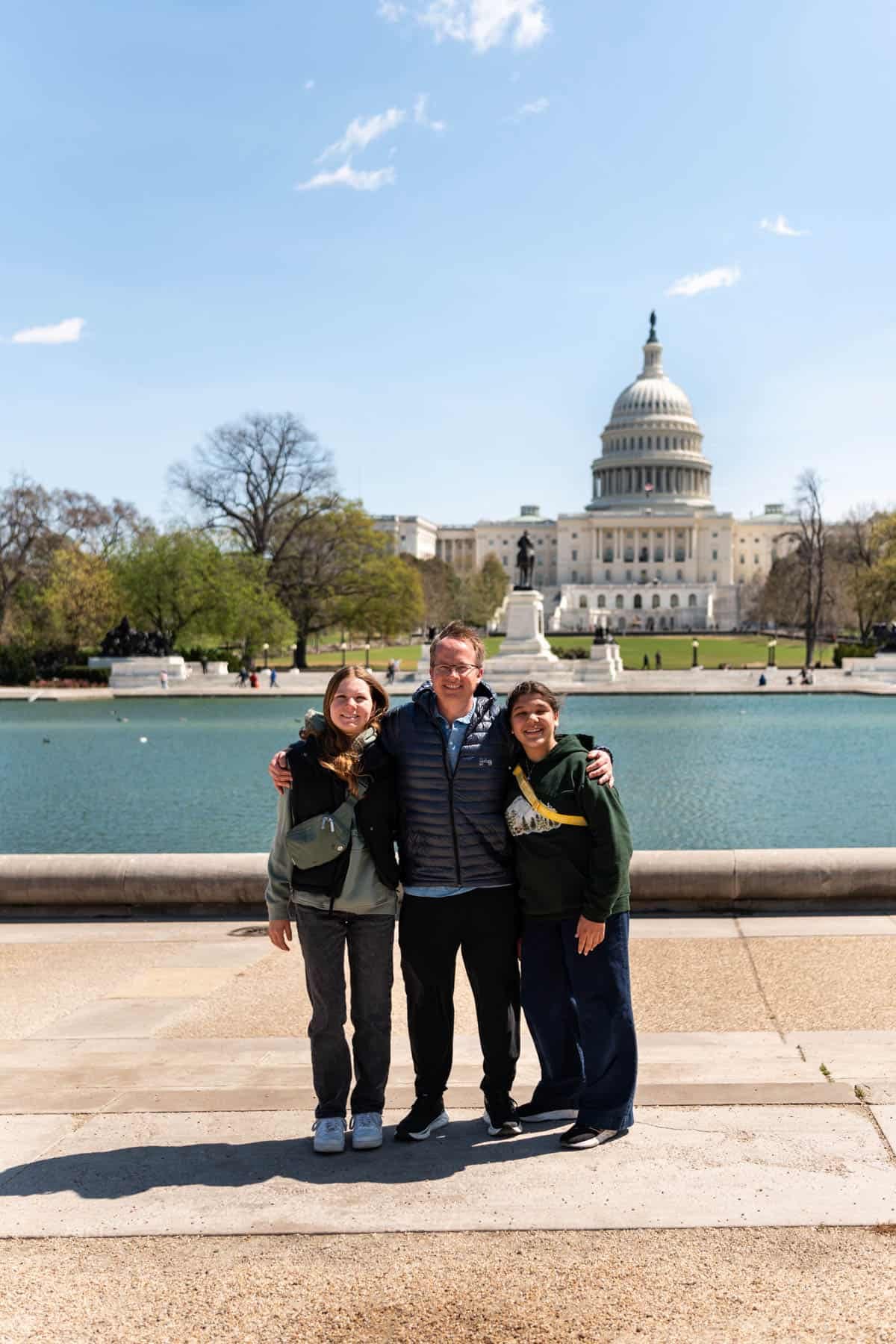
This is a city of big moments like standing beneath the Lincoln Memorial, seeing the original Constitution, and walking the National Mall. But it’s also a city of long walks, big crowds, and a lot of information, so pacing matters.
Here’s how to do it in a way that feels memorable, not overwhelming.
Best Time to Visit
Spring is an extremely popular time to visit because of the nice weather and cherry blossom season. We went in April for Spring Break and it’s exceptionally beautiful, especially around the Tidal Basin, but expect crowds. Fall is perhaps the best overall because of the cooler temperatures and fewer crowds than spring.

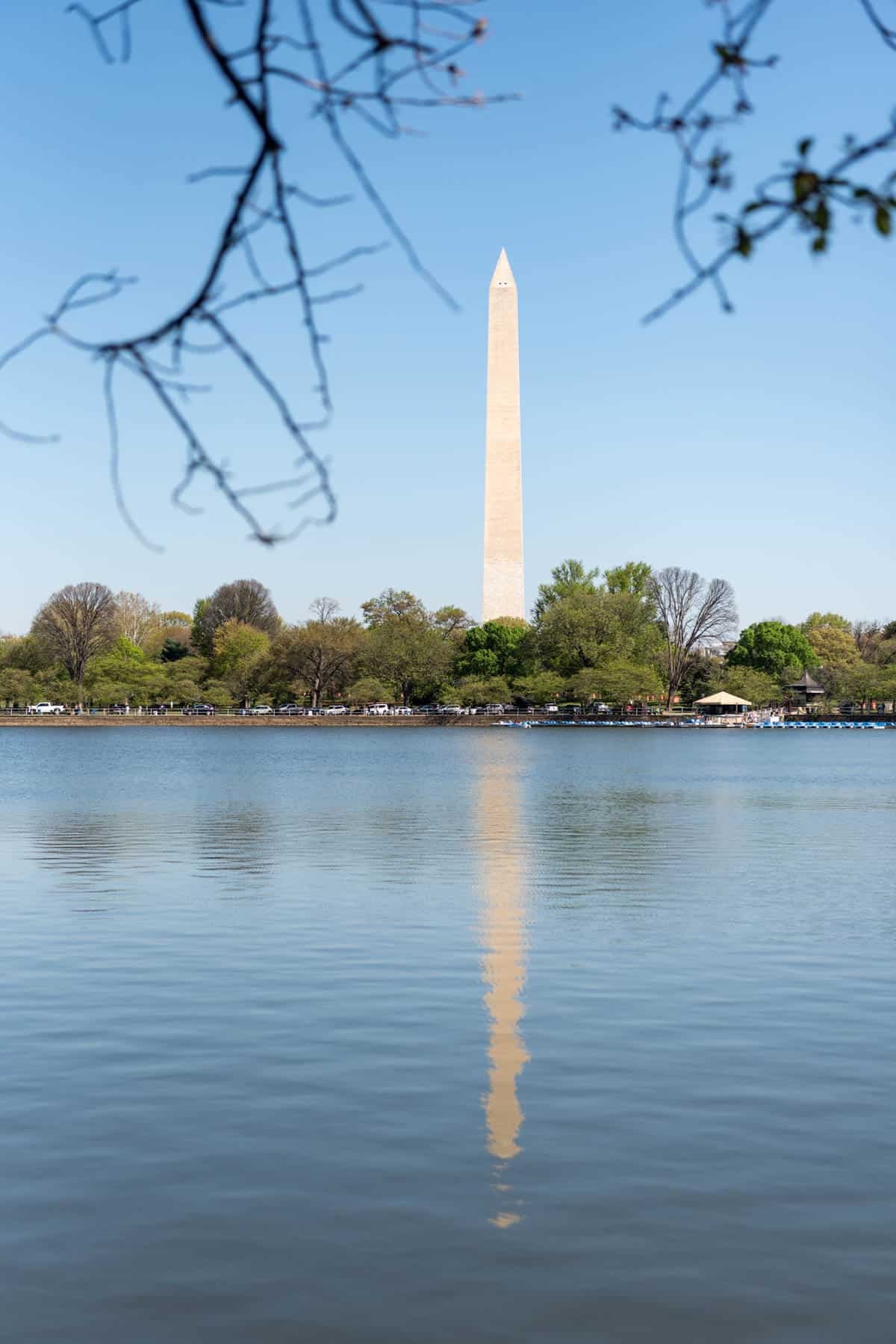
I have also done D.C. over the 4th of July, which was exciting and patriotic, but Summer is very hot and humid, there are big crowds, and the long walking days can be exhausting. If you go during these months, plan early mornings and indoor breaks. Winter is the inverse where it can be very cold, but you have fewer tourists and the holiday decorations and events can make the city feel special.
Getting There: Best Airports for Washington, D.C.
We drove there from Williamsburg as part of our East Coast road trip, but D.C. is served by three major airports if you are flying in. It’s also an easy drive from Philadelphia, if you are including that area in your itinerary.
- Reagan National Airport (DCA): Closest to the city (10–15 minutes) and easiest for getting in and out
- Dulles International Airport (IAD): Larger international hub, about 40–50 minutes away
- Baltimore/Washington International Airport (BWI): Often cheaper flights, about 1 hour away
Day 1: Museums + The Capitol (A Big Indoor Day)
This day is heavy on museums, so wear comfortable shoes and plan for breaks. Even though everything looks close on a map, you will walk a lot.
Start Early at the Air & Space Museum
The Air & Space Museum requires timed entry passes, so make sure to plan ahead. We had 10:00 AM timed-entry tickets, arrived around 9:45 and the line was snaking around the block. Even with a reservation, plan to line up 20 to 30 minutes early.
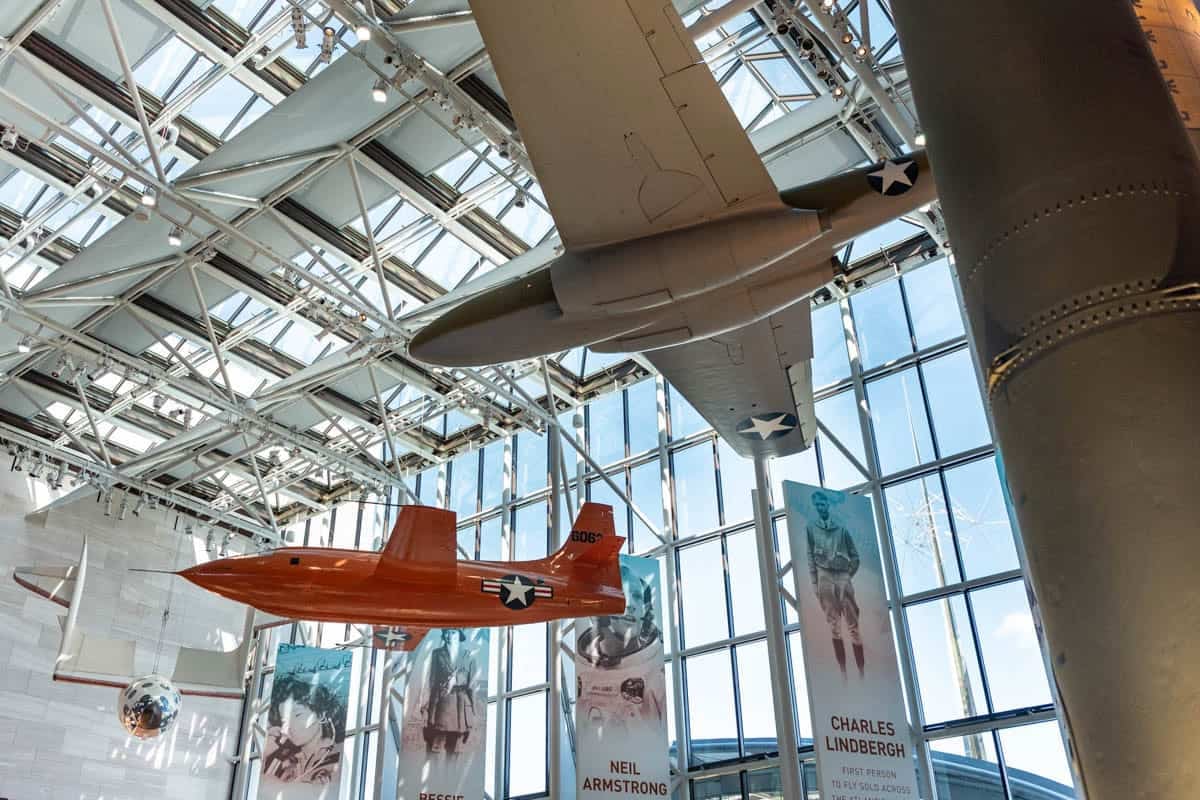
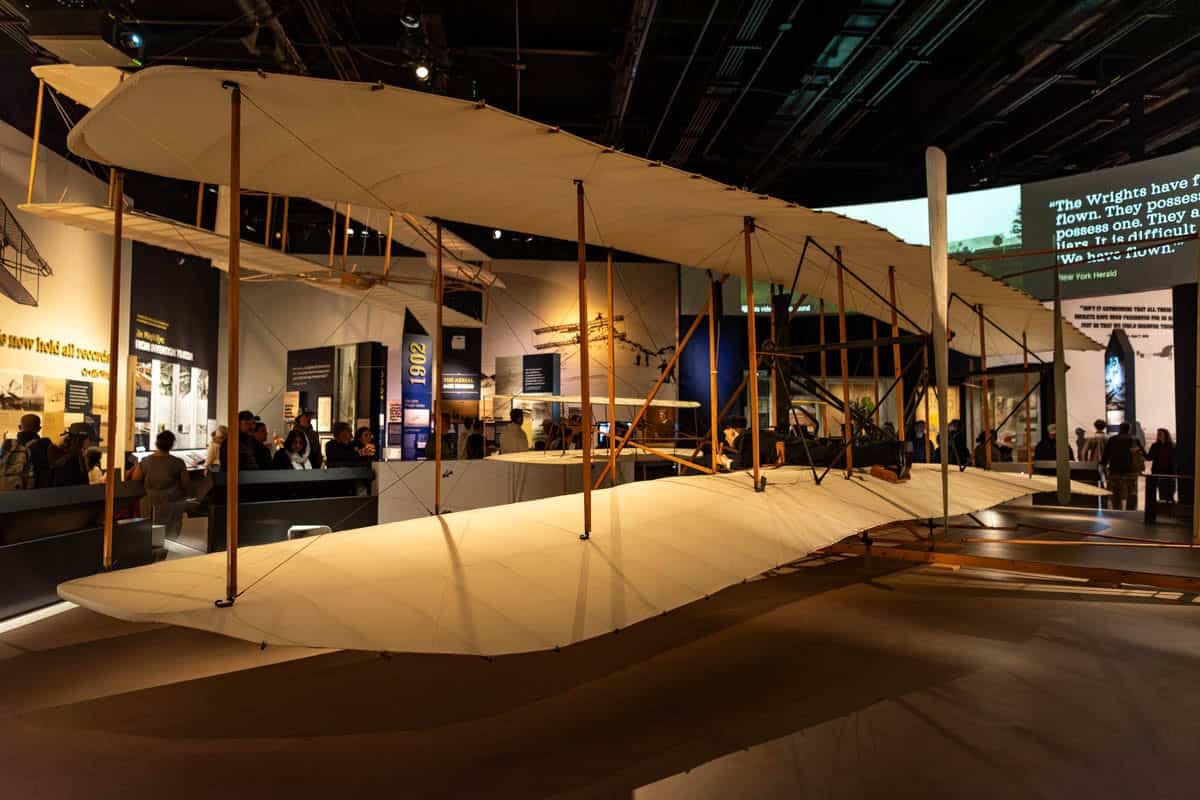
Highlights for us included the Wright Brothers’ plane (actually, the entire room about early flight), spacecraft and moon landing artifacts, flight similators and interactive exhibits.
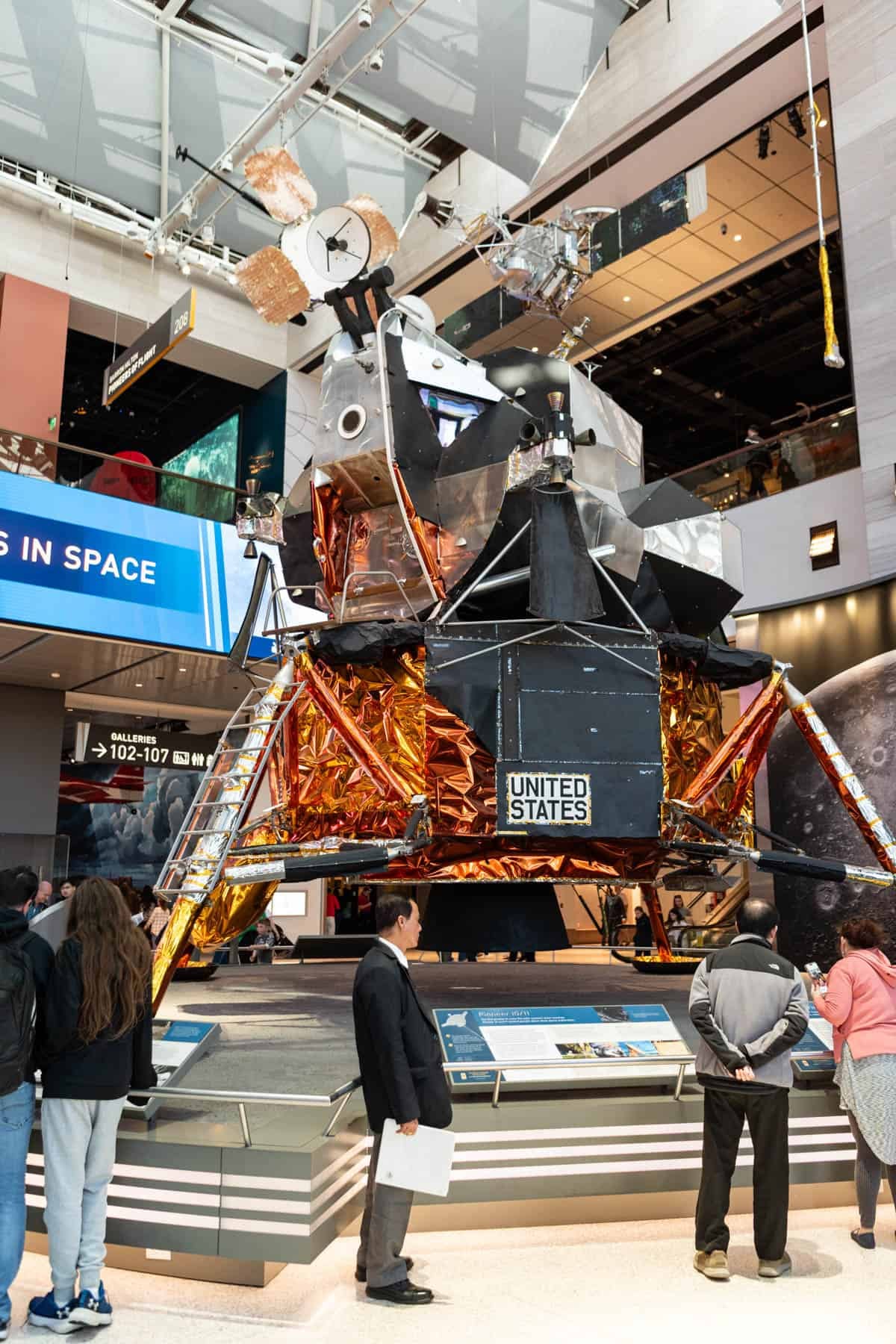
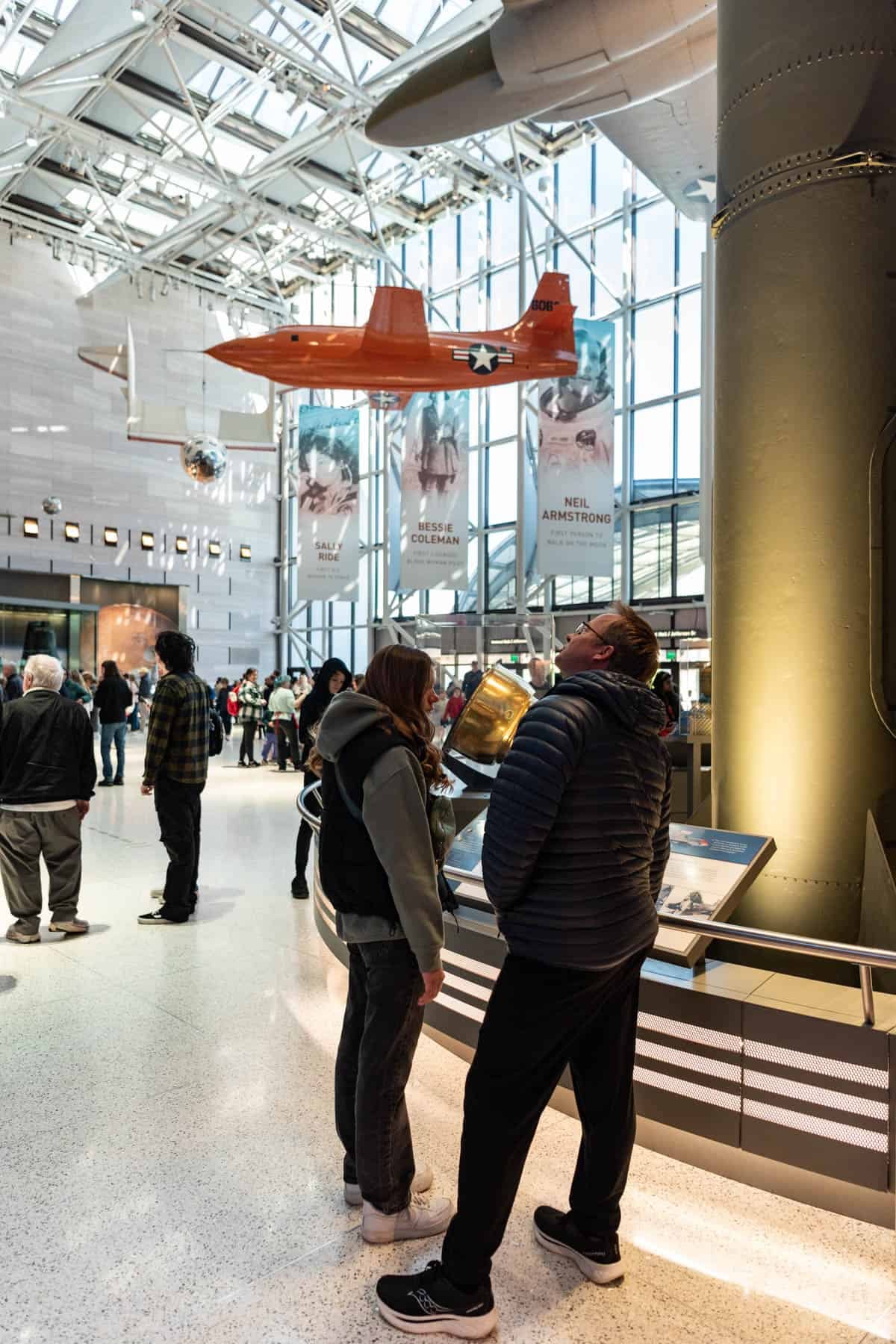
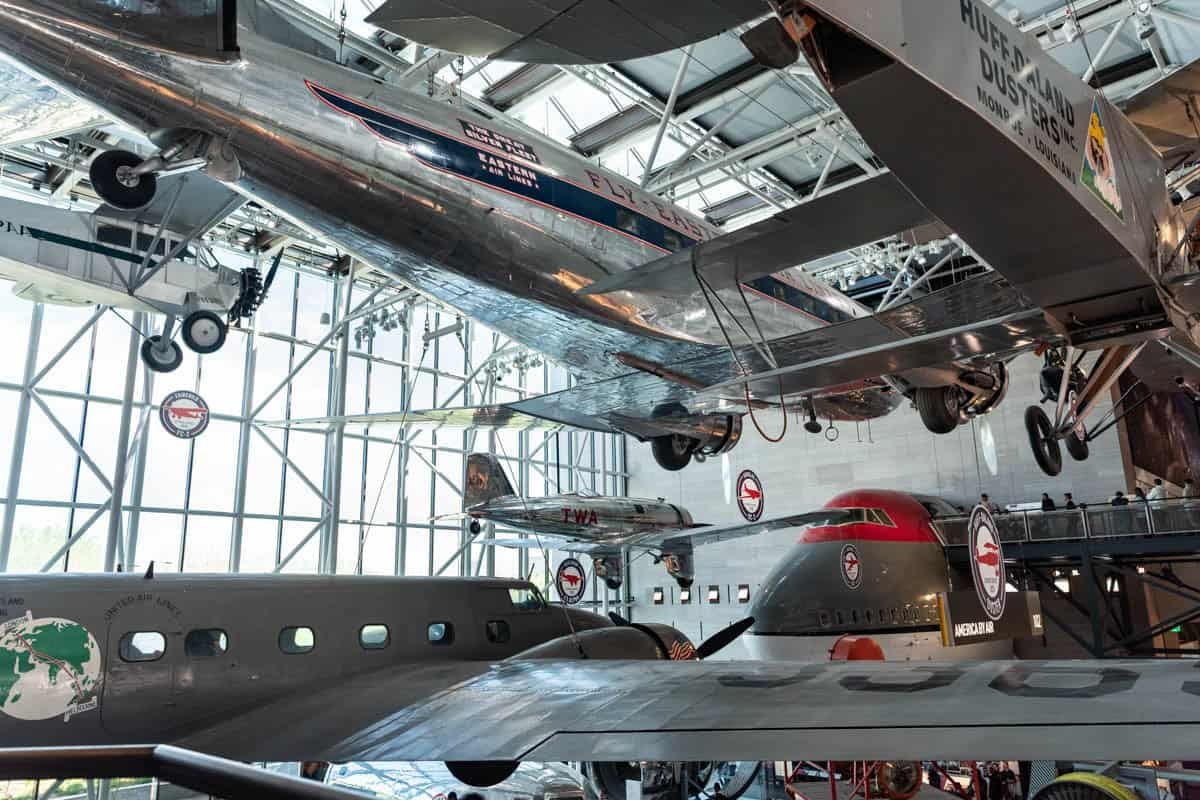
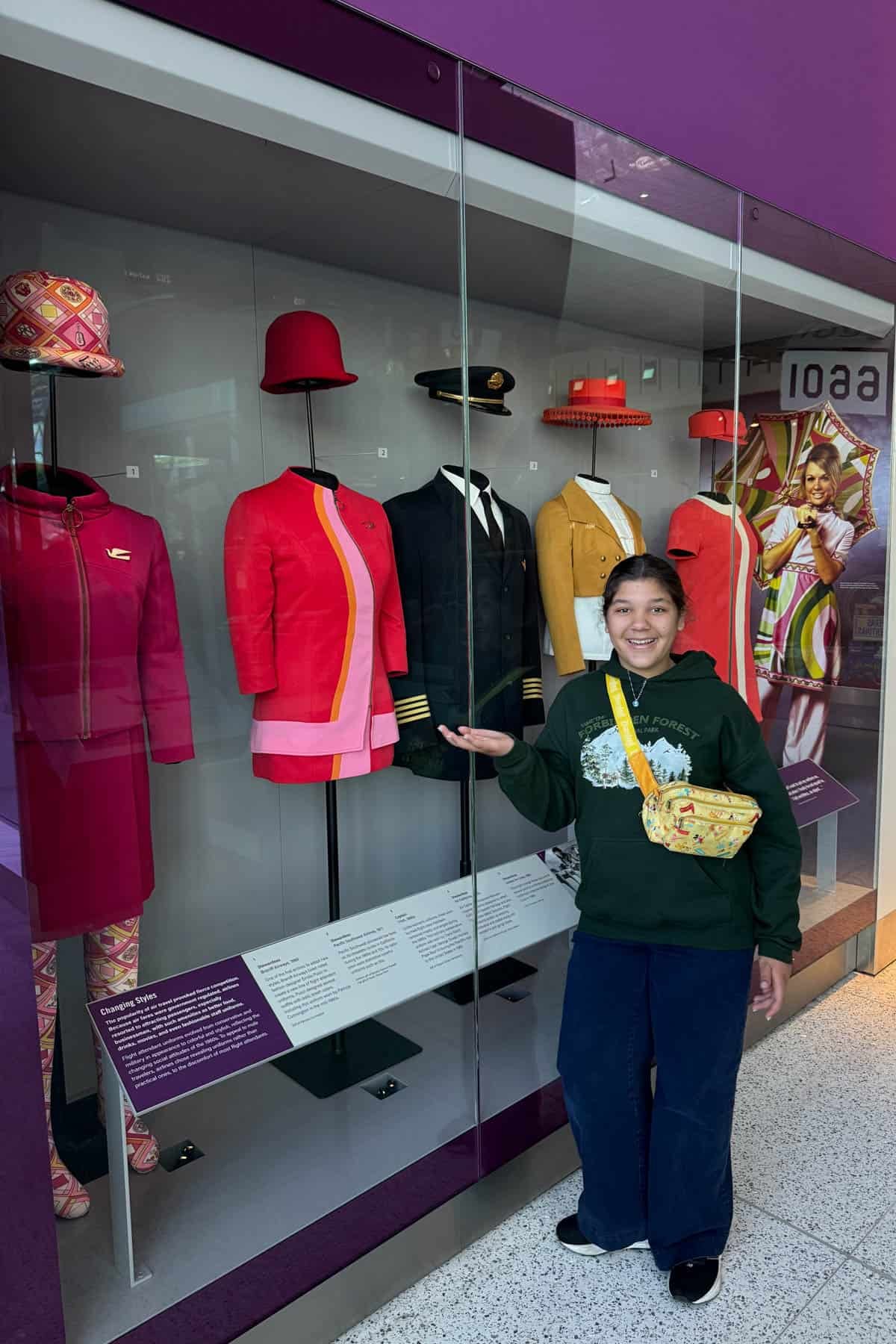
We also though the World War I planes and videos were fascinating, and our youngest got a kick out of the the displays of flight attendant and pilot uniforms through the decades.
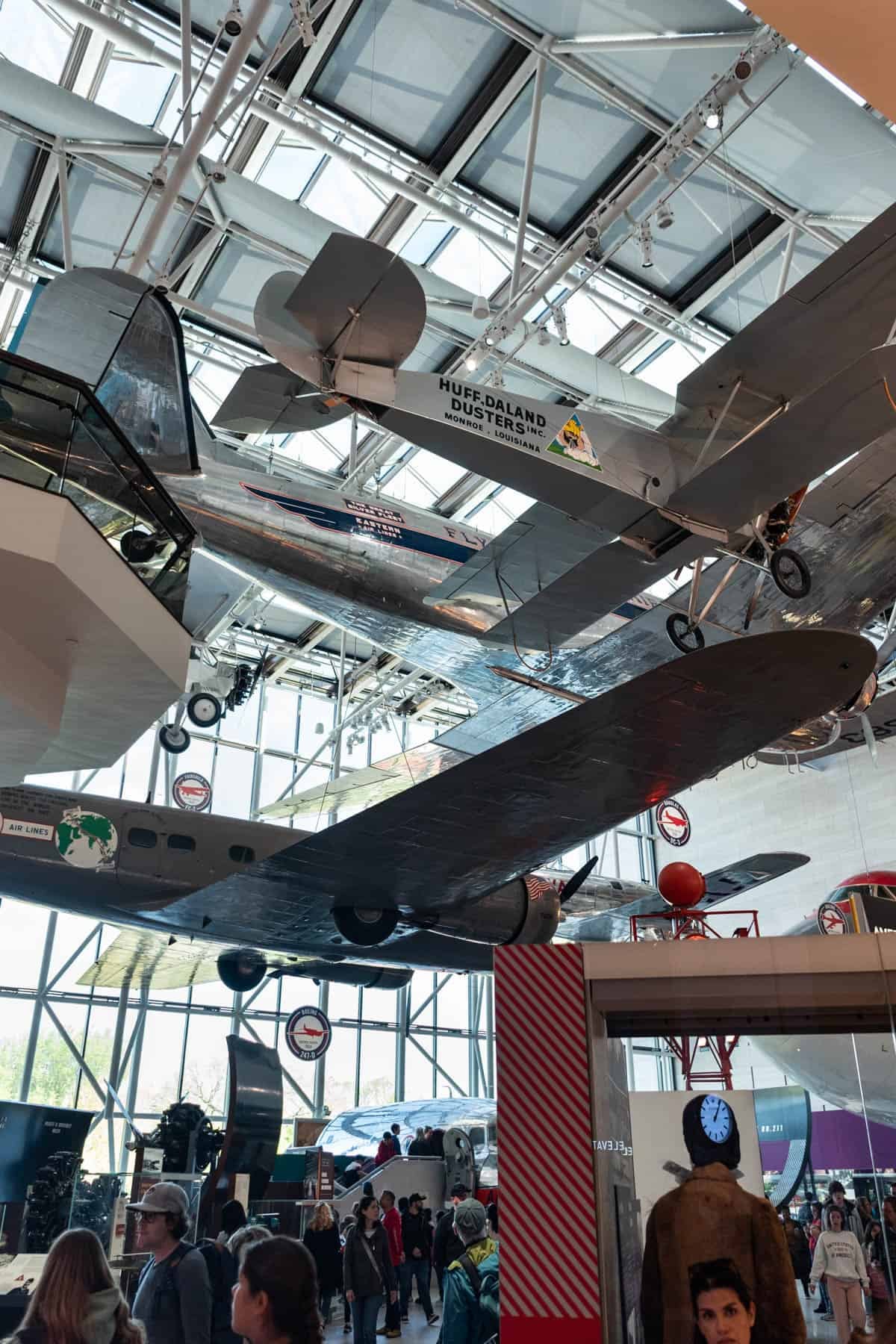
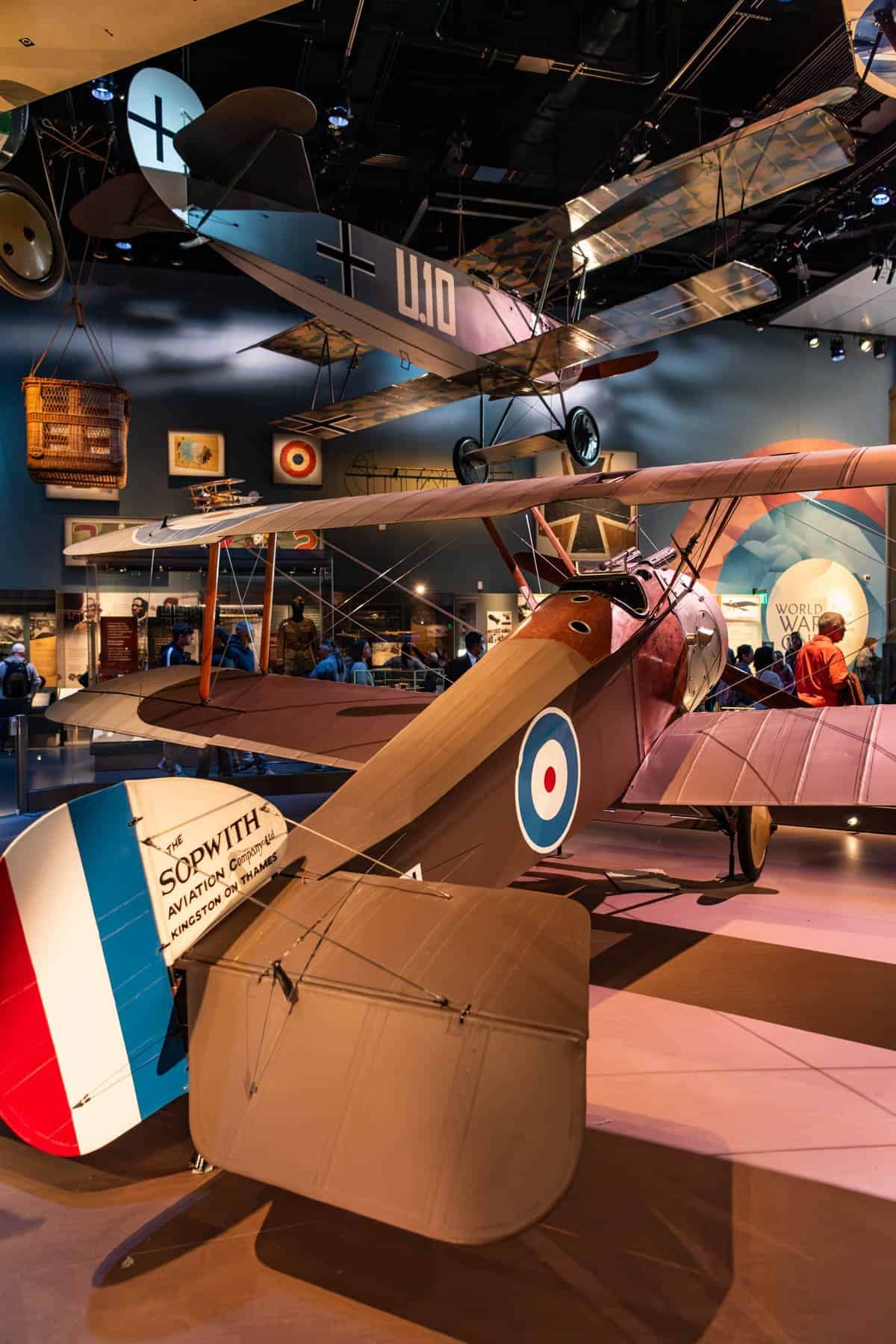
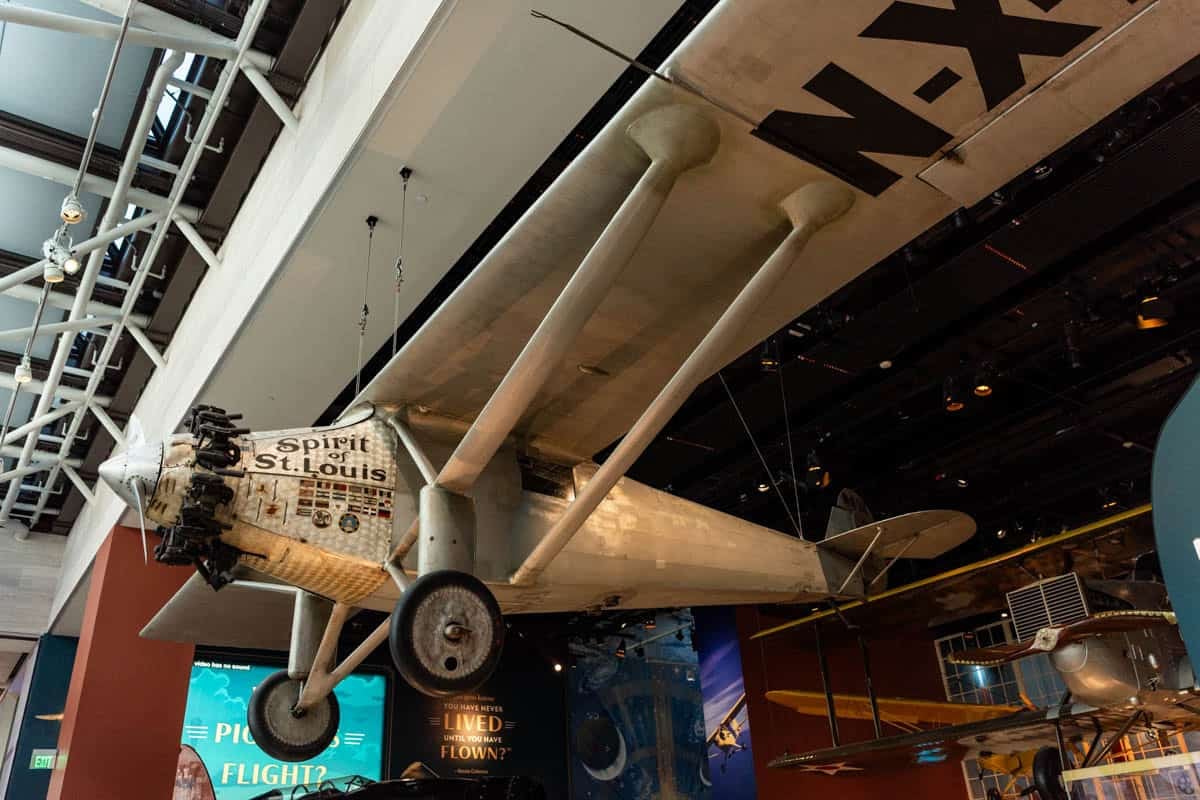
This museum is extremely popular, so getting in early helps you avoid the heaviest crowds.
Capitol Tour (Book Ahead)
We booked a 1:30 PM Capitol tour, which you can reserve online through the official Capitol Visitor Center website (highly recommended).

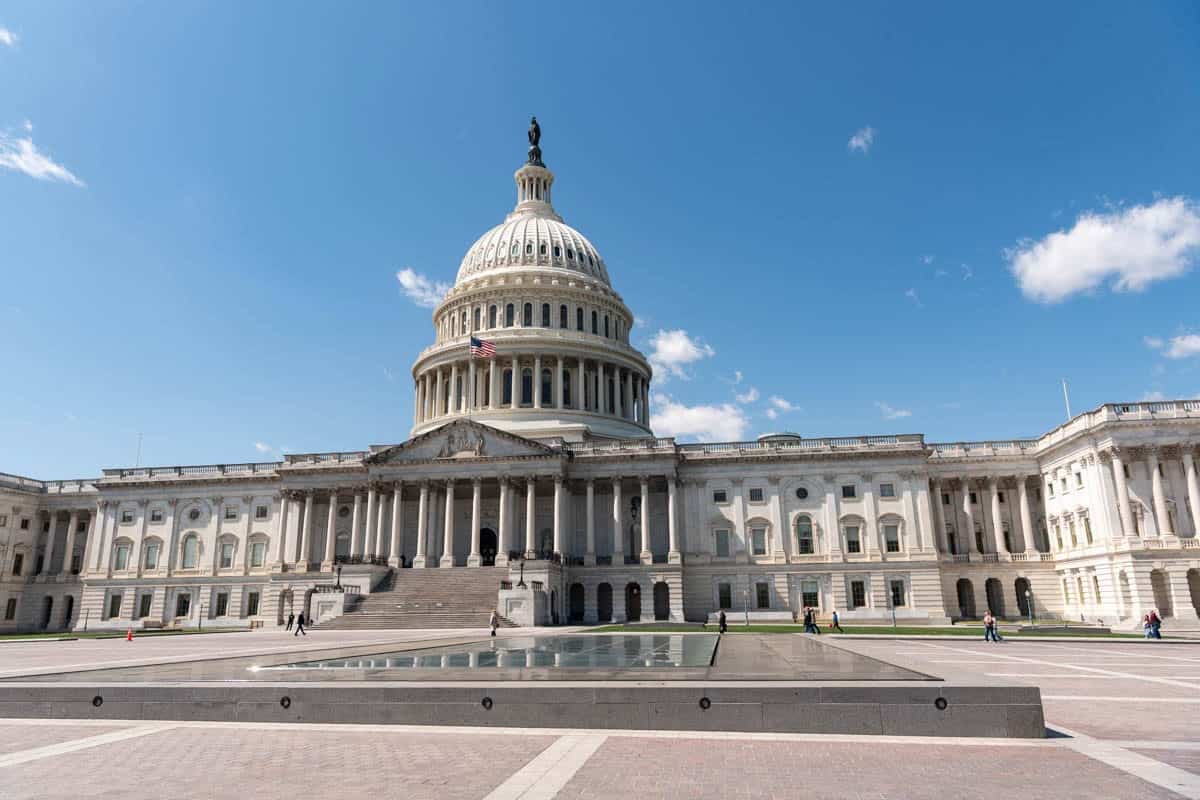
The tour begins with a surprisingly excellent short film about the founding of Congress and the Capitol’s history. From there, you’re guided through the Rotunda, the crypt, and the National Statuary Hall with a large group and guide using provided headphones to be able to hear all kinds of details about the capitol building.
It’s a well-organized experience and feels both educational and inspiring. The Capitol is a working building and our guide said that on one of his tours they just happened to see the President walking at the end of the hall entering a room.
A reader emailed me this suggestion that I wish I had known ahead of time:
“You can also arrange a tour with your local Representative in Congress. They love for constituents to visit and will arrange tours for you!” ~ Carroll
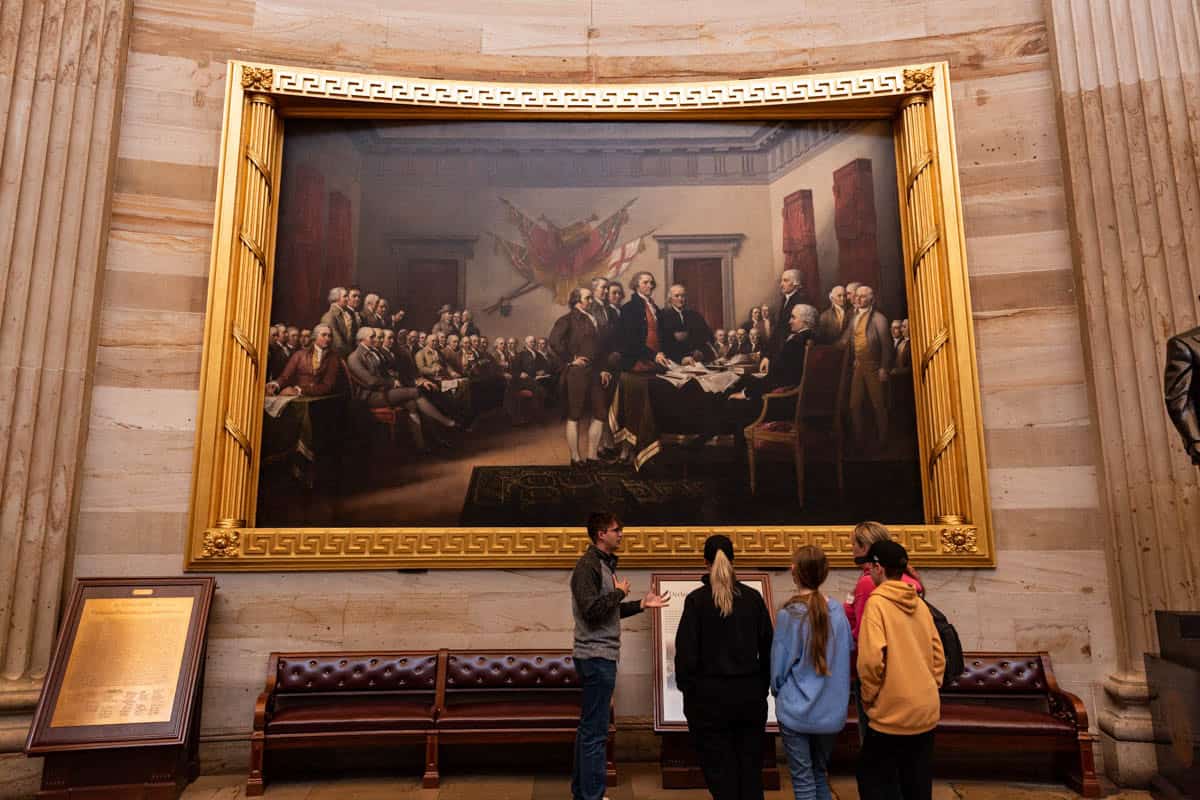
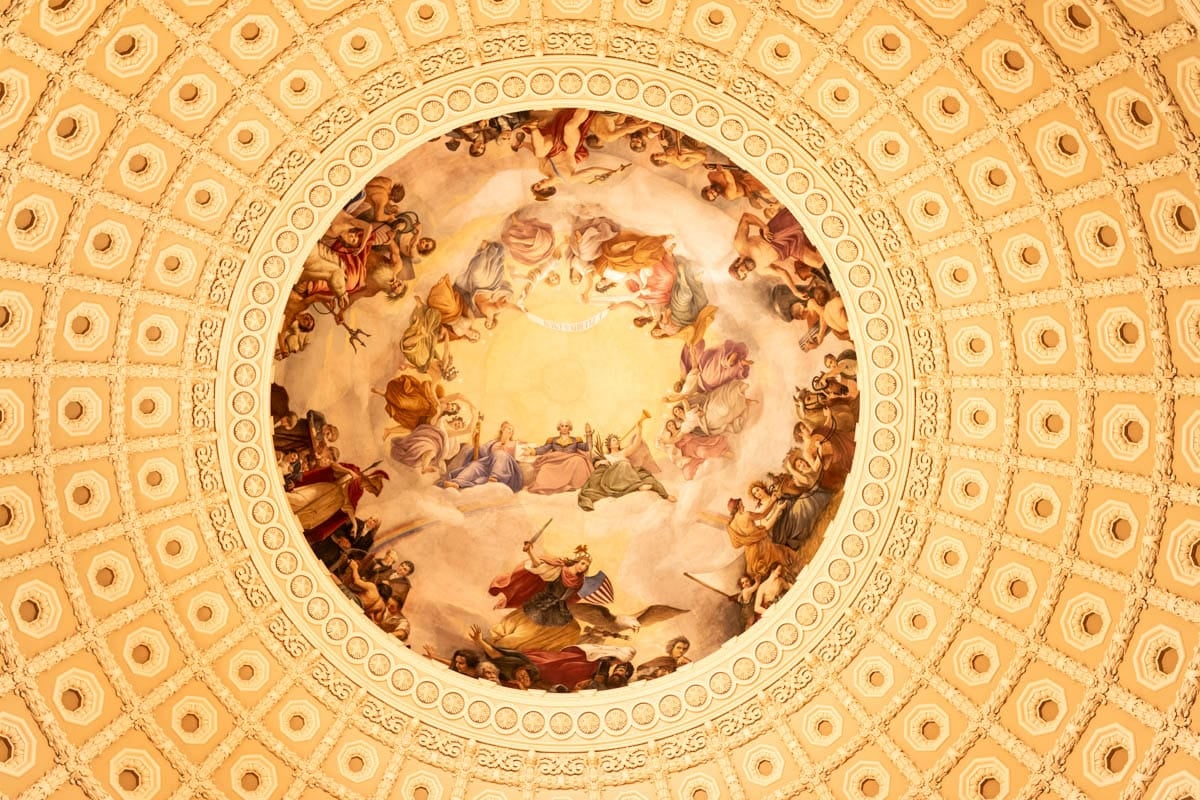
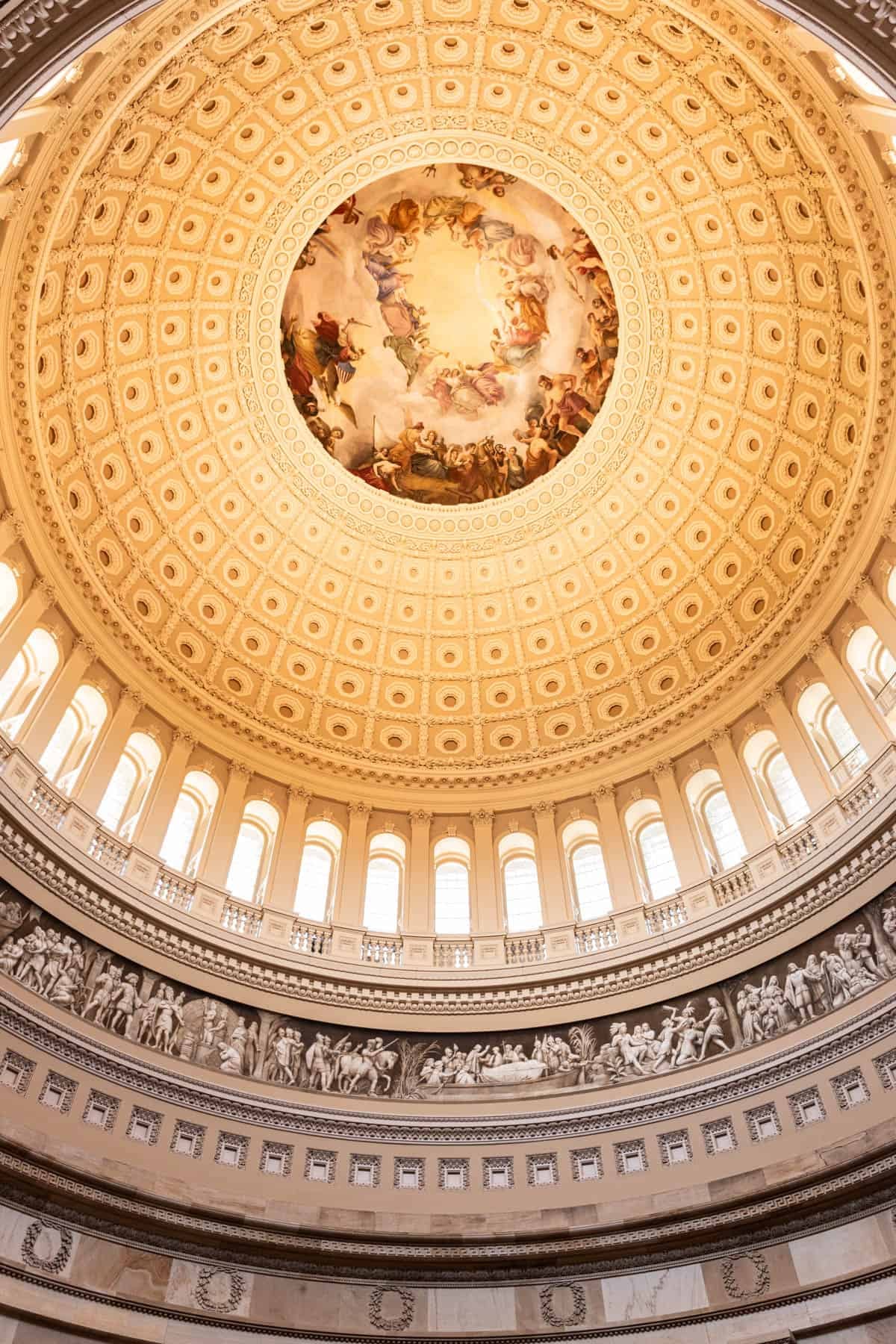
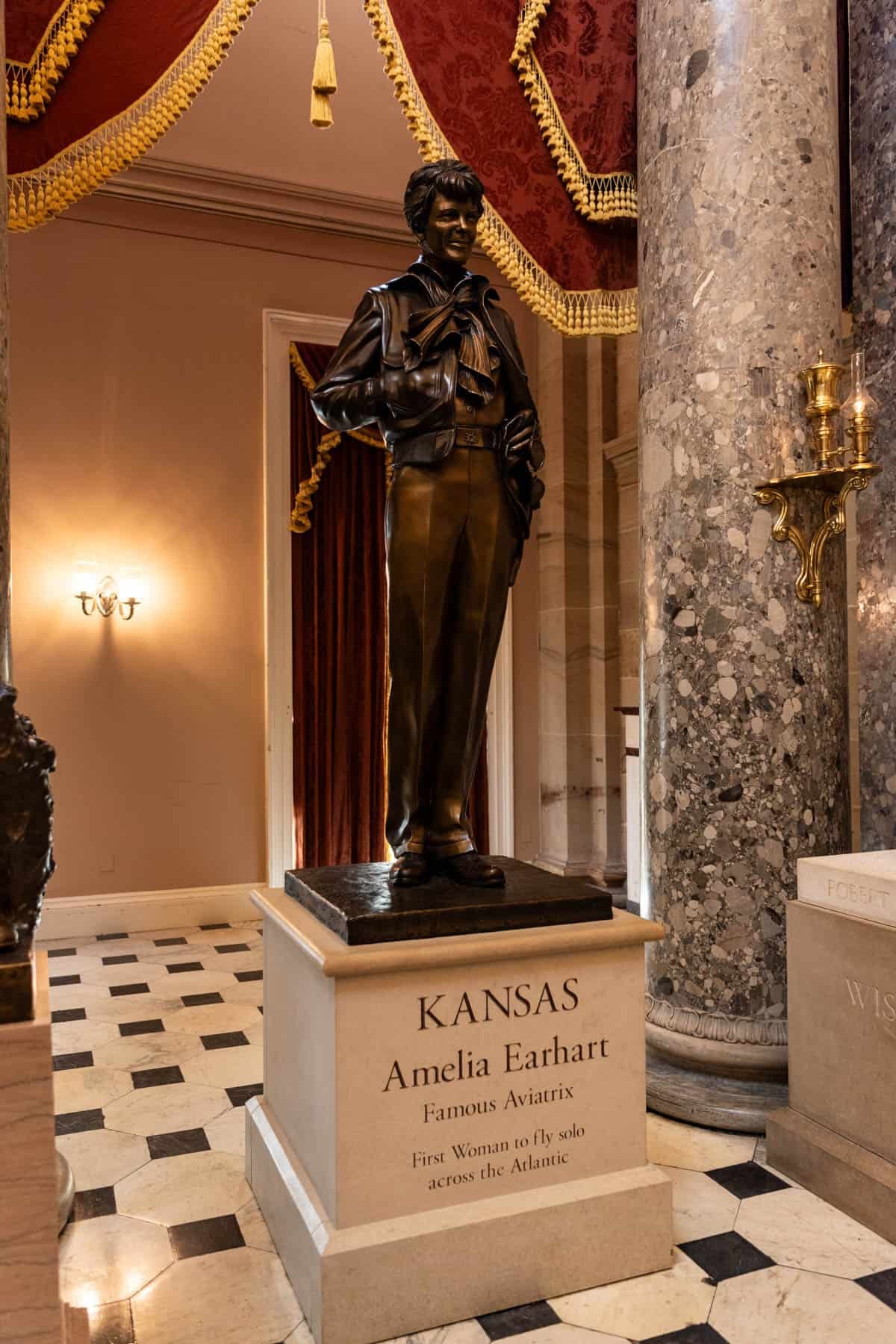
Lunch tip: There’s a large cafeteria inside the Capitol Visitor Center designed to handle thousands of visitors (including school groups). The food is not gourmet, but it’s surprisingly decent for a museum-style cafeteria and a convenient place to refuel without leaving the building.
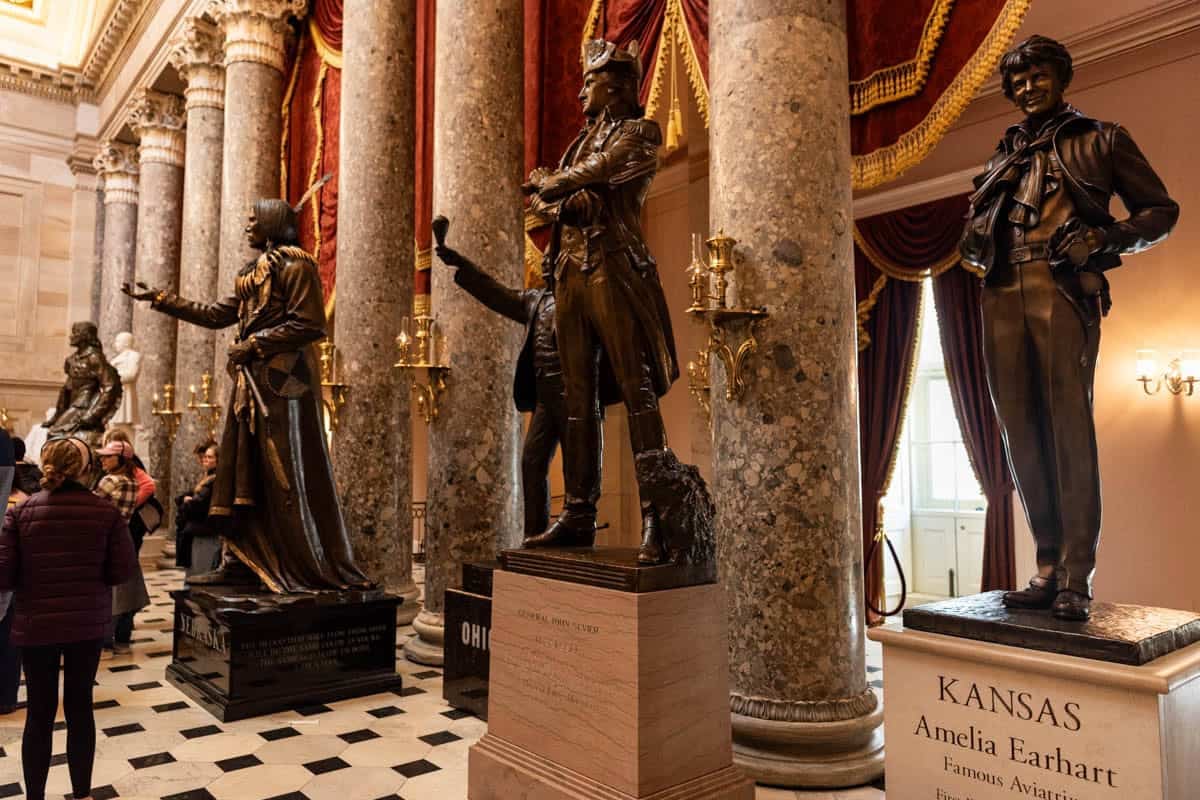
Take the tunnel to the Library of Congress while you are there.
Library of Congress — Unexpectedly Stunning
This one surprises people but it’s one of the most beautiful buildings in D.C., in my opinion. I love the stunning architecture and artwork, and it is free and easy to visit alongside a Capitol tour. You don’t even have to leave the building and can just walk through the underground tunnel between the two.
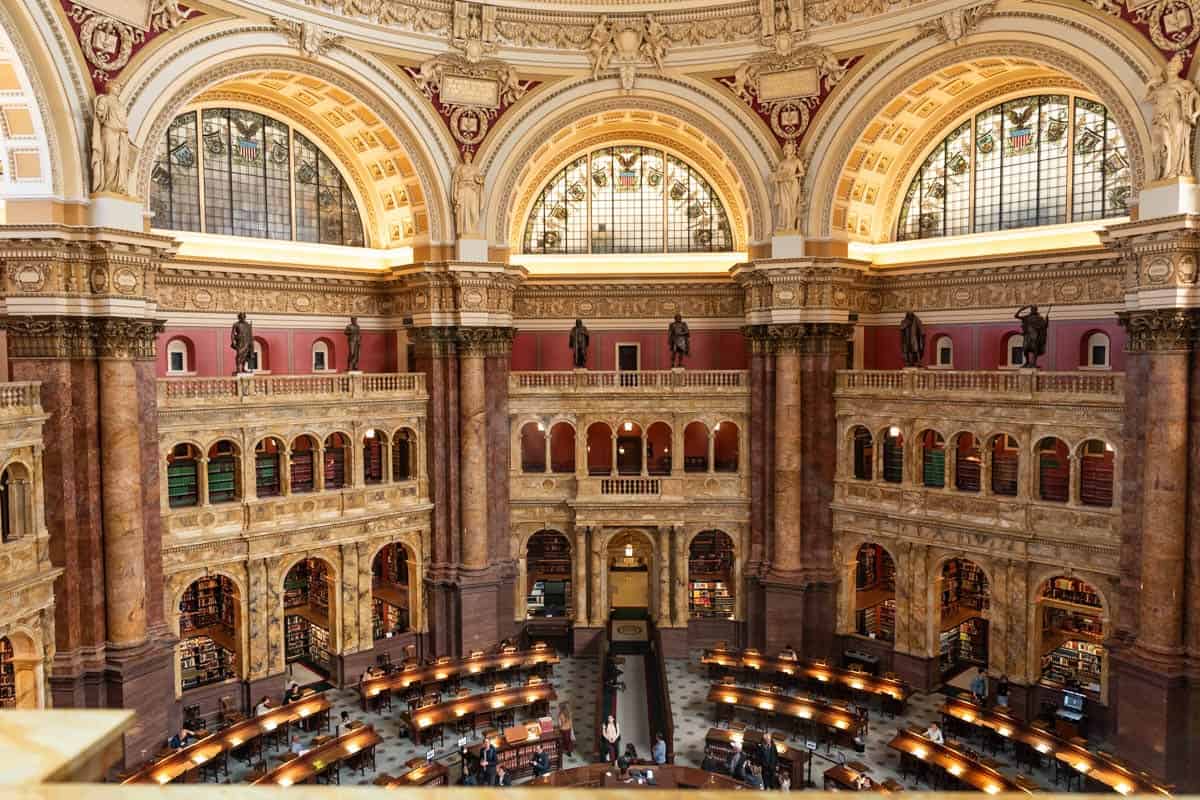


National Archives (See America’s Founding Documents)
Here you can see the original founding documents:
- Declaration of Independence
- Constitution of the United States
- Bill of Rights
Standing in the Rotunda looking at these original documents is a powerful experience, even for kids. Consider going first thing in the morning or late in the afternoon to avoid long lines.
U.S. Supreme Court
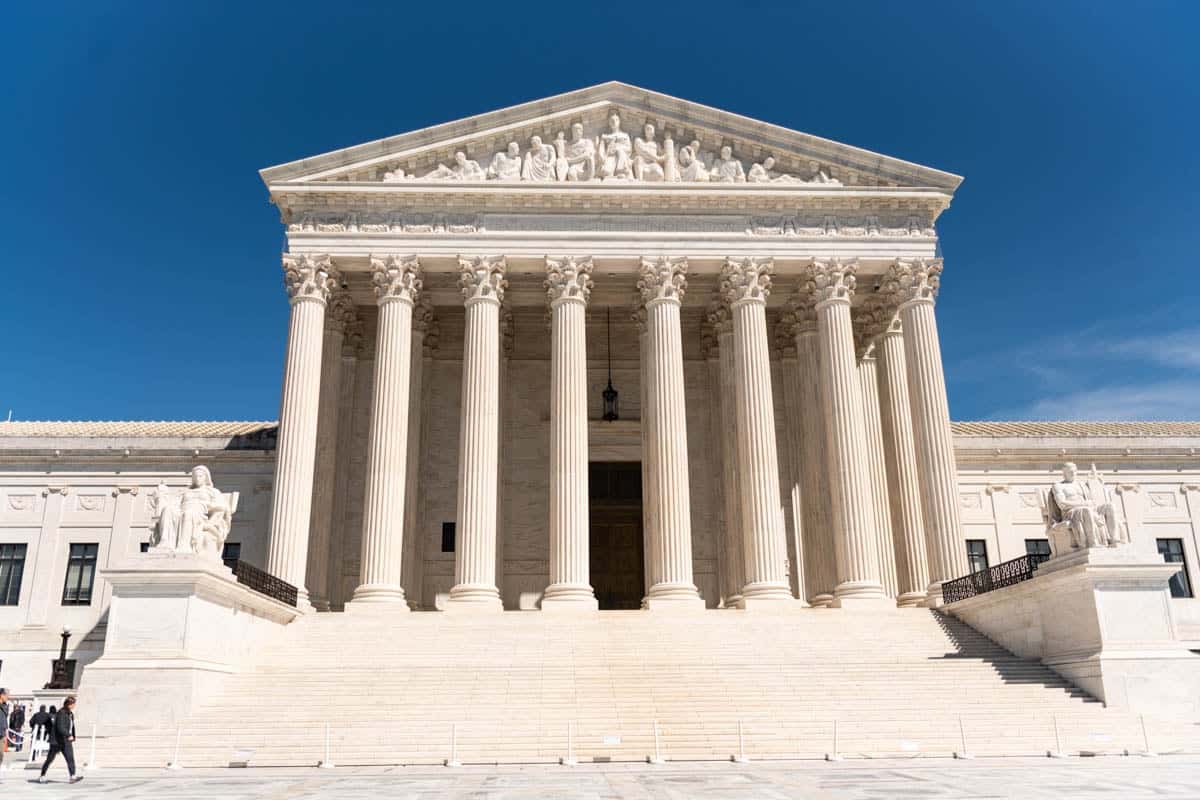
Both my husband and I went to law school so it was kind of a dream to visit the U.S. Supreme Court. Alas, we only got to see if from the outside as we were walking out of the Library of Congress building.
However, the building is typically open to the public on weekdays, and if you time it right (typically in the morning when the Court is in session between October and April, you may be able to sit in the courtroom for a brief period and observe oral arguments or lectures. Seating is limited and lines can form early.
Natural History Museum
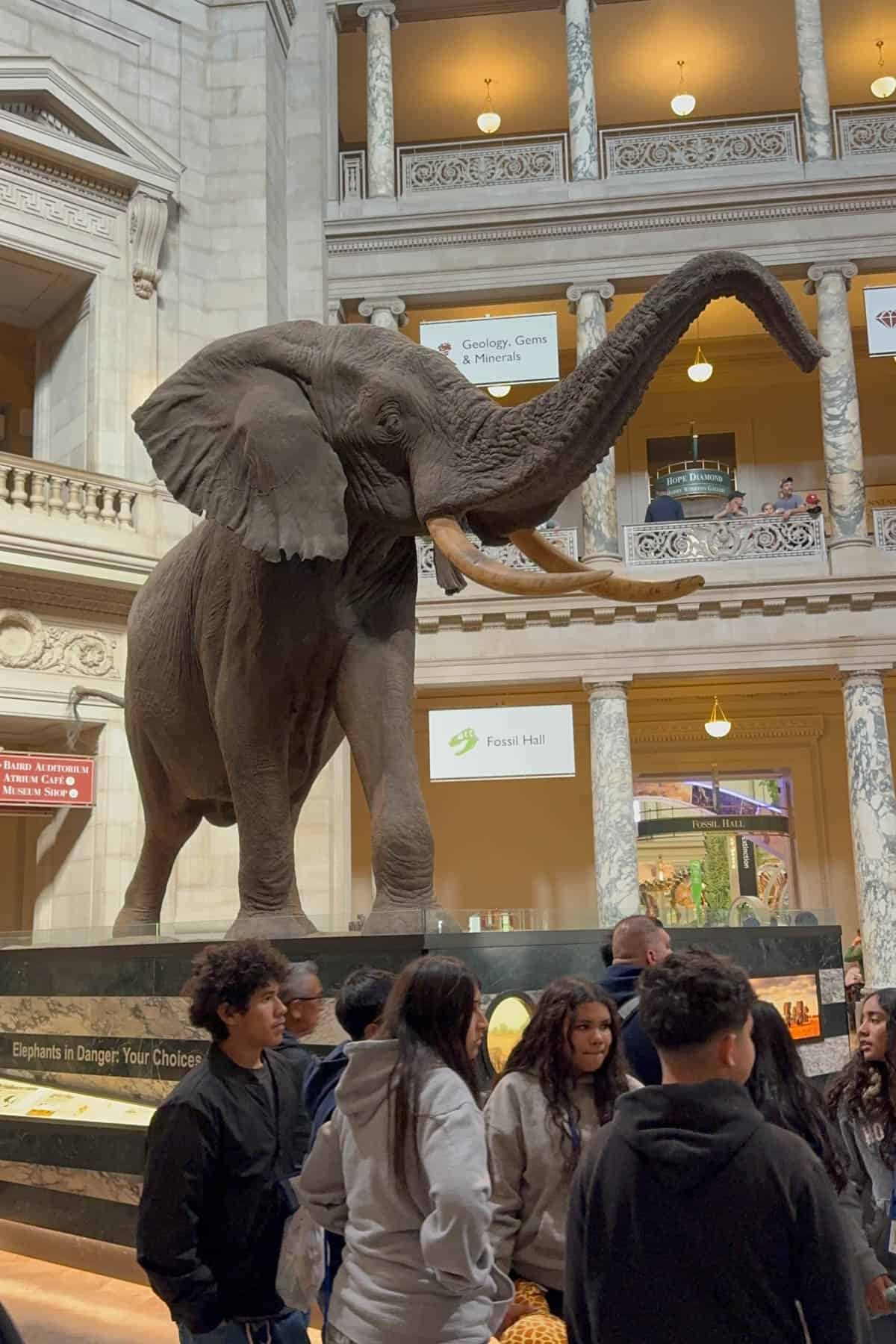
After the Capitol, we headed to the Natural History Museum. This one is a hit with both kids and adults.
The Natural History Museum has gems (including the Hope Diamond), dinosaur fossils and prehistoric life exhibits, and animal halls that are perfect for kids imaginations. You can easily spend 1 to 2 hours here without even realizing it.
National Museum of American History
We finished the day here and by this point, everyone was pretty tired. We focused on a few key highlights rather than trying to see everything:
- The Star-Spangled Banner, the actual flag that inspired the national anthem was incredibly moving for both my husband and myself. Our kids said they didn’t get it.
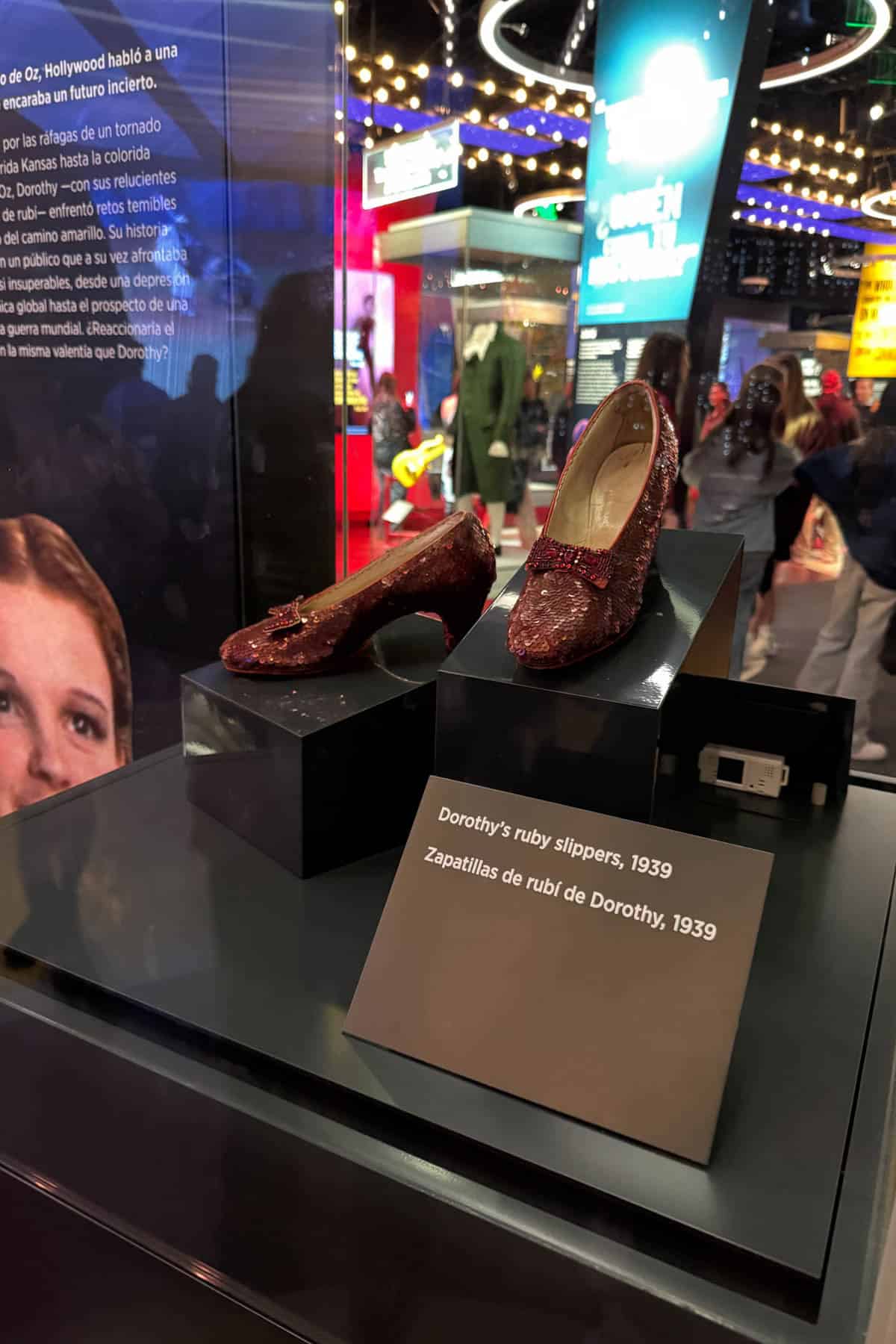
- Dorothy’s ruby slippers from The Wizard of Oz (much more to the girls’ taste)
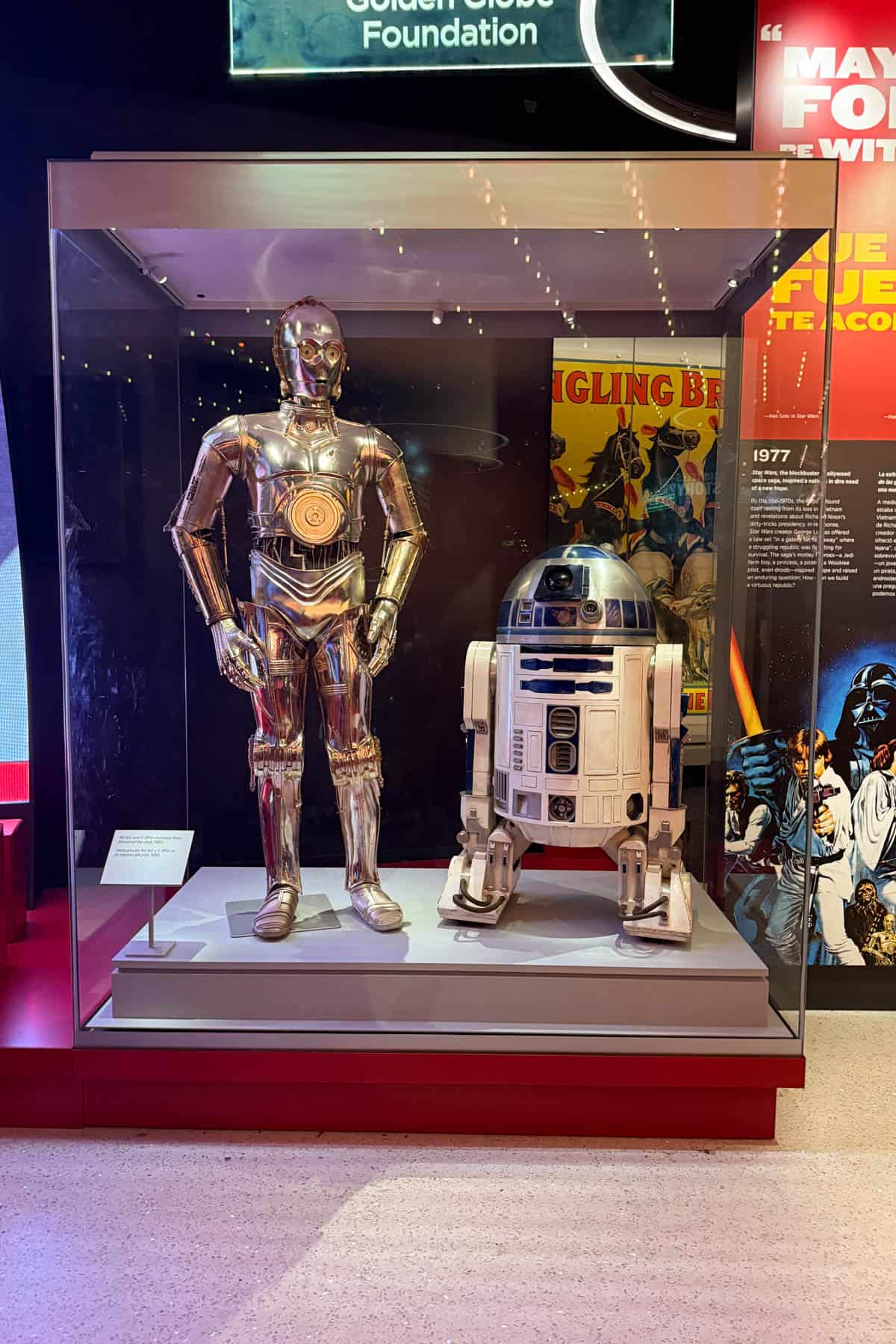
- R2D2 and C3PO (we are big Star Wars fans)
- Other notable highlights include the First Ladies’ Inaugural Gowns and the exhibit on American innovation and everyday life.
By the end of this day, we were exhausted — between walking, standing, and absorbing so much history, it’s a lot. Don’t underestimate how tiring museum days can be.
The big takeaway: You might not want to do more than 2-3 Smithsonian museums in a single day unless your group has endless energy.
Day 2: Monuments & Memorials (A Big Walking Day)
This day is mostly outdoors, but still involves a lot of walking. Plan this day for whichever day has the best weather (not raining or not too hot or cold) and if you have kids, make it feel like an adventure, not a march!
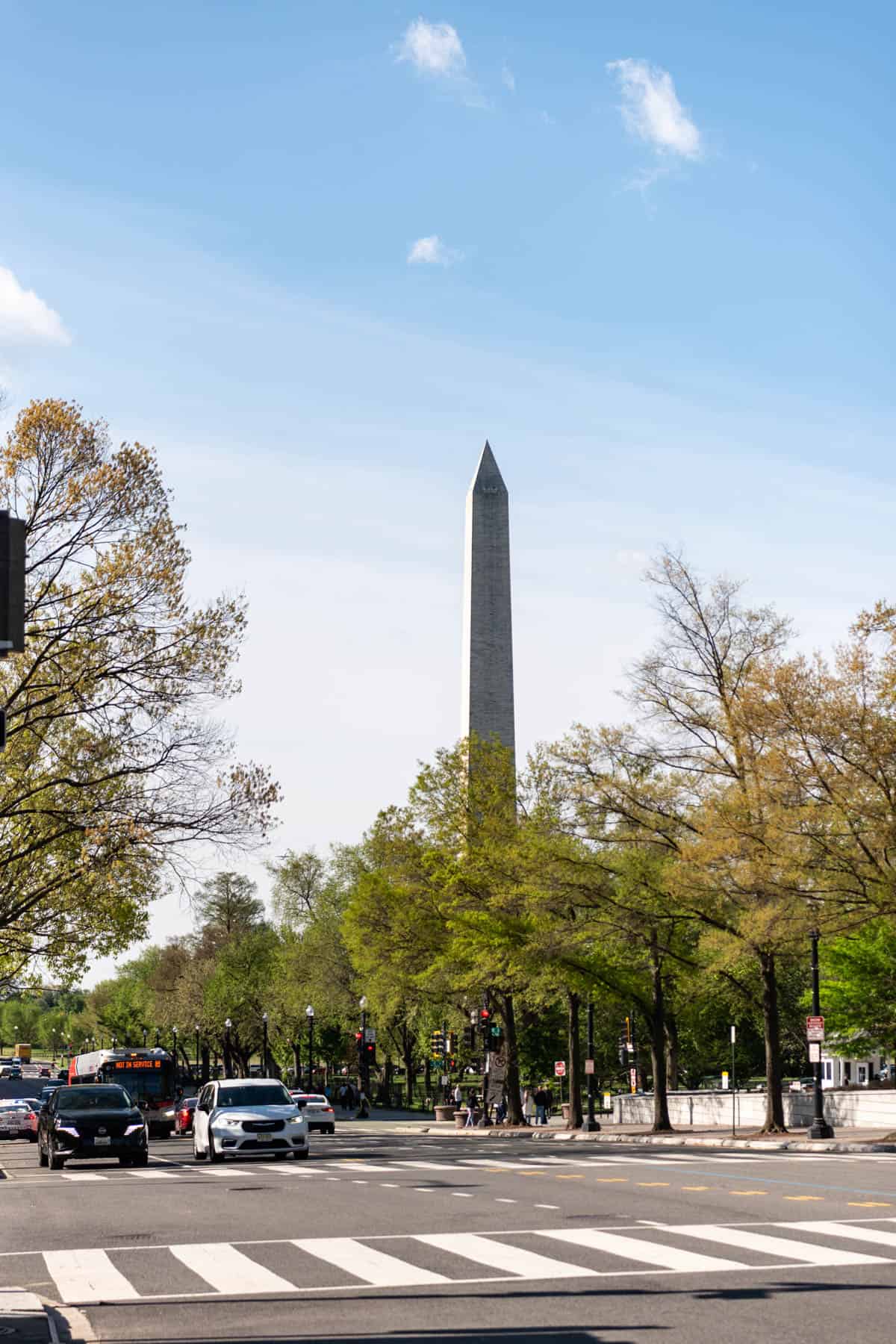
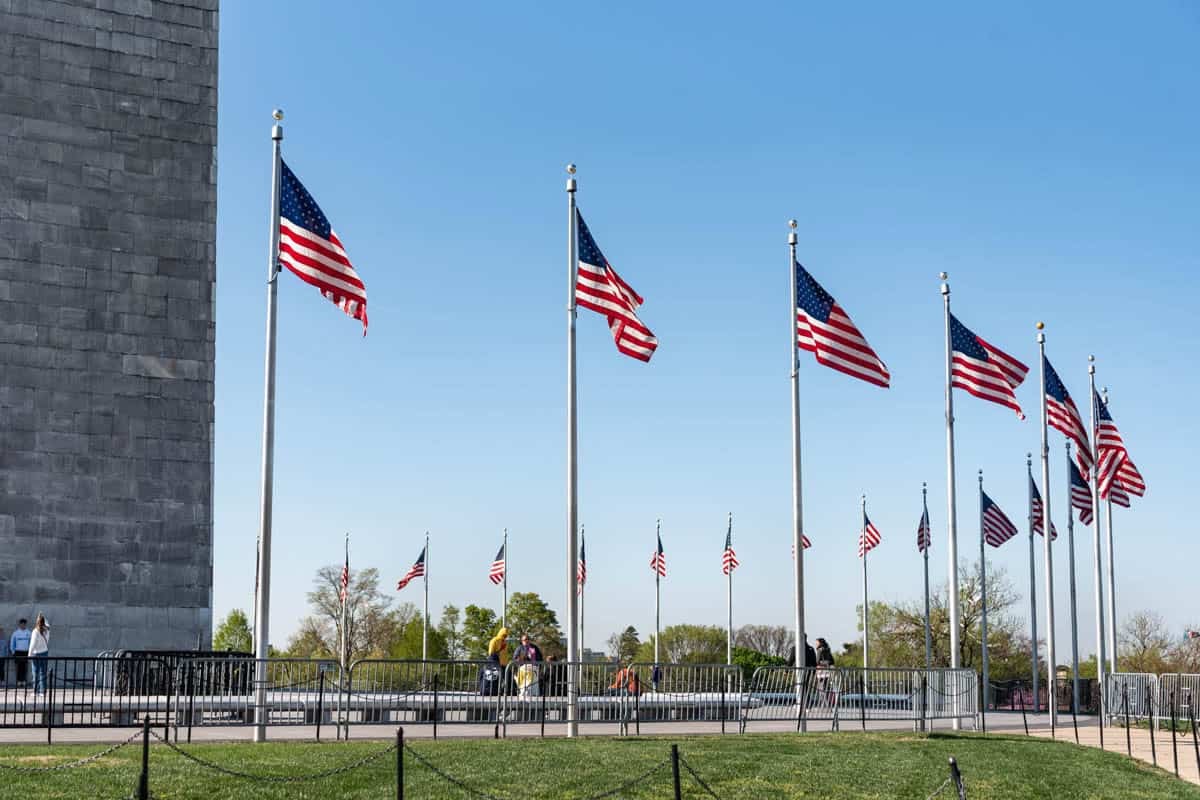
Washington Monument
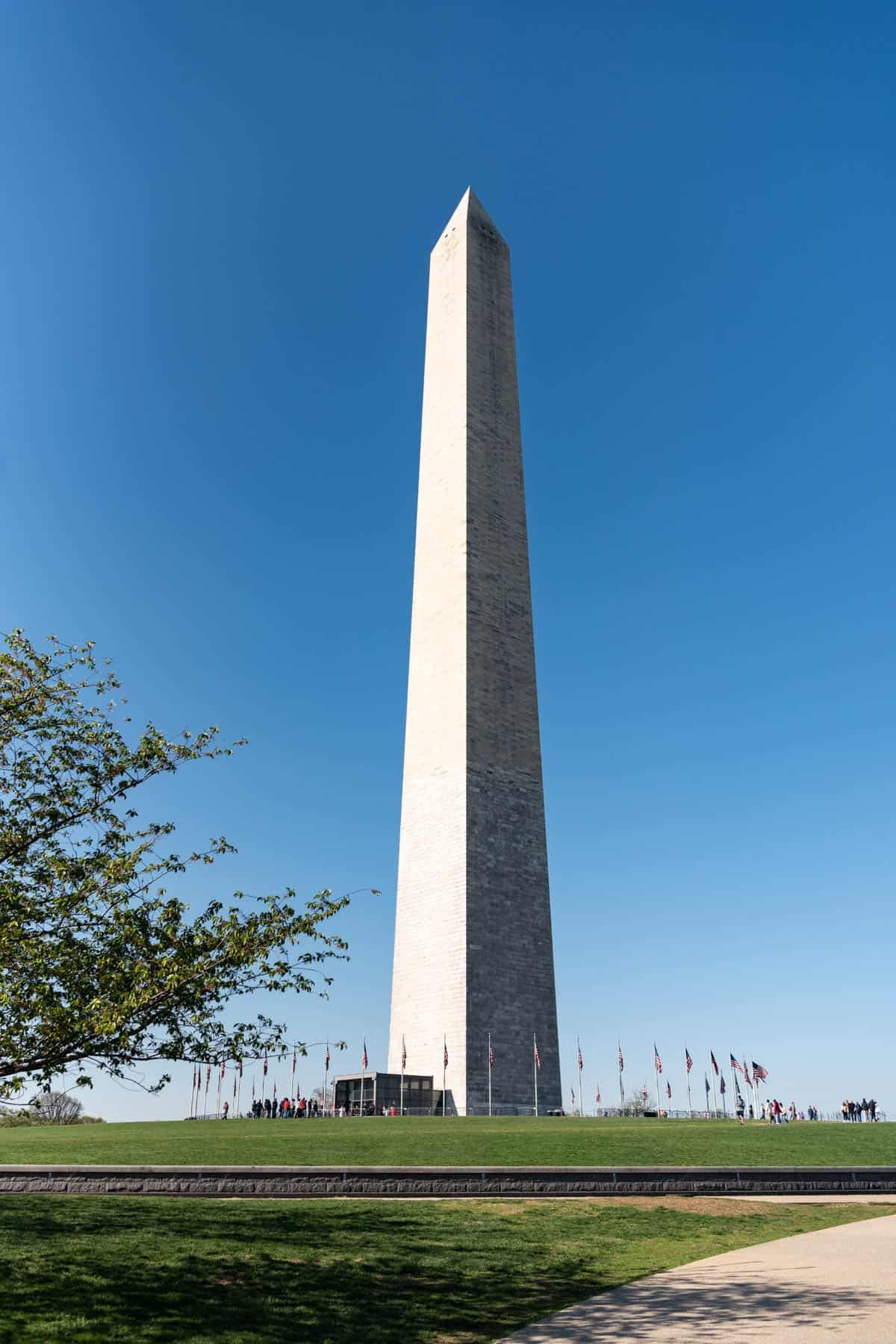
Start here if you can. The morning light is beautiful, and crowds are lighter. If you want to go up inside, you’ll need timed tickets in advance and they can be hard to get.
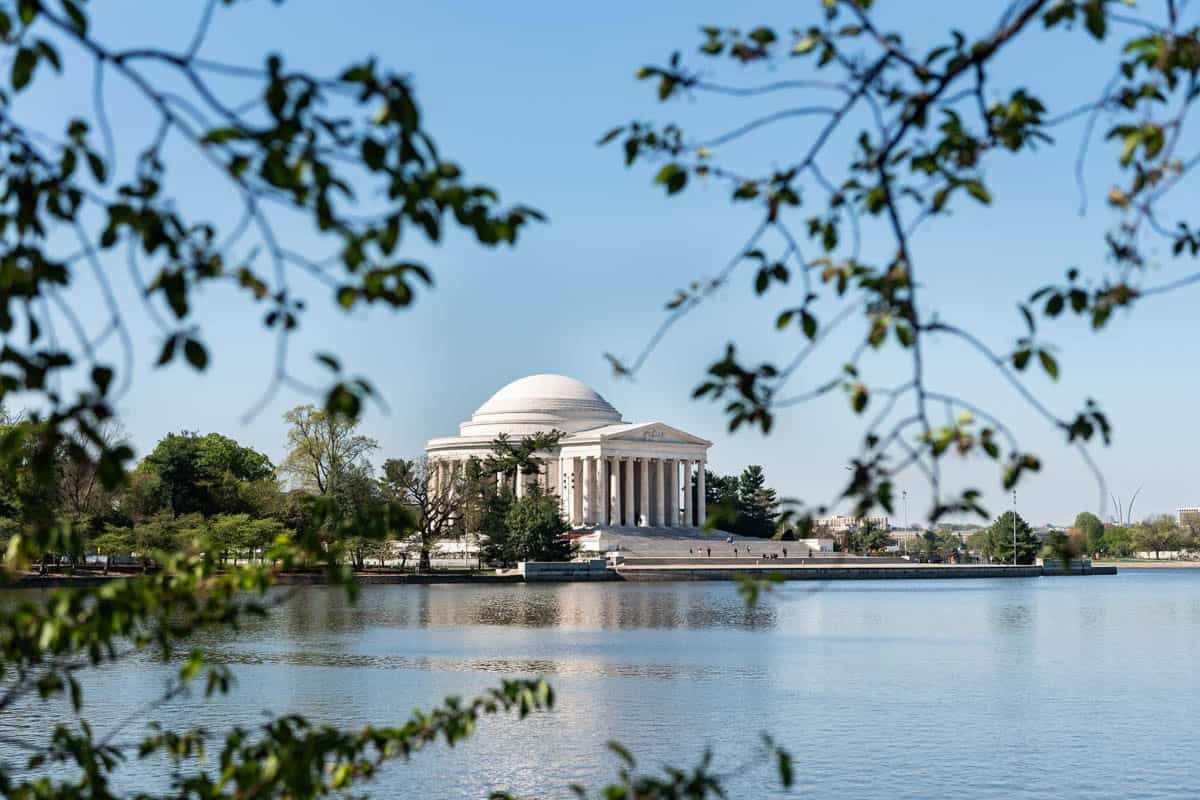
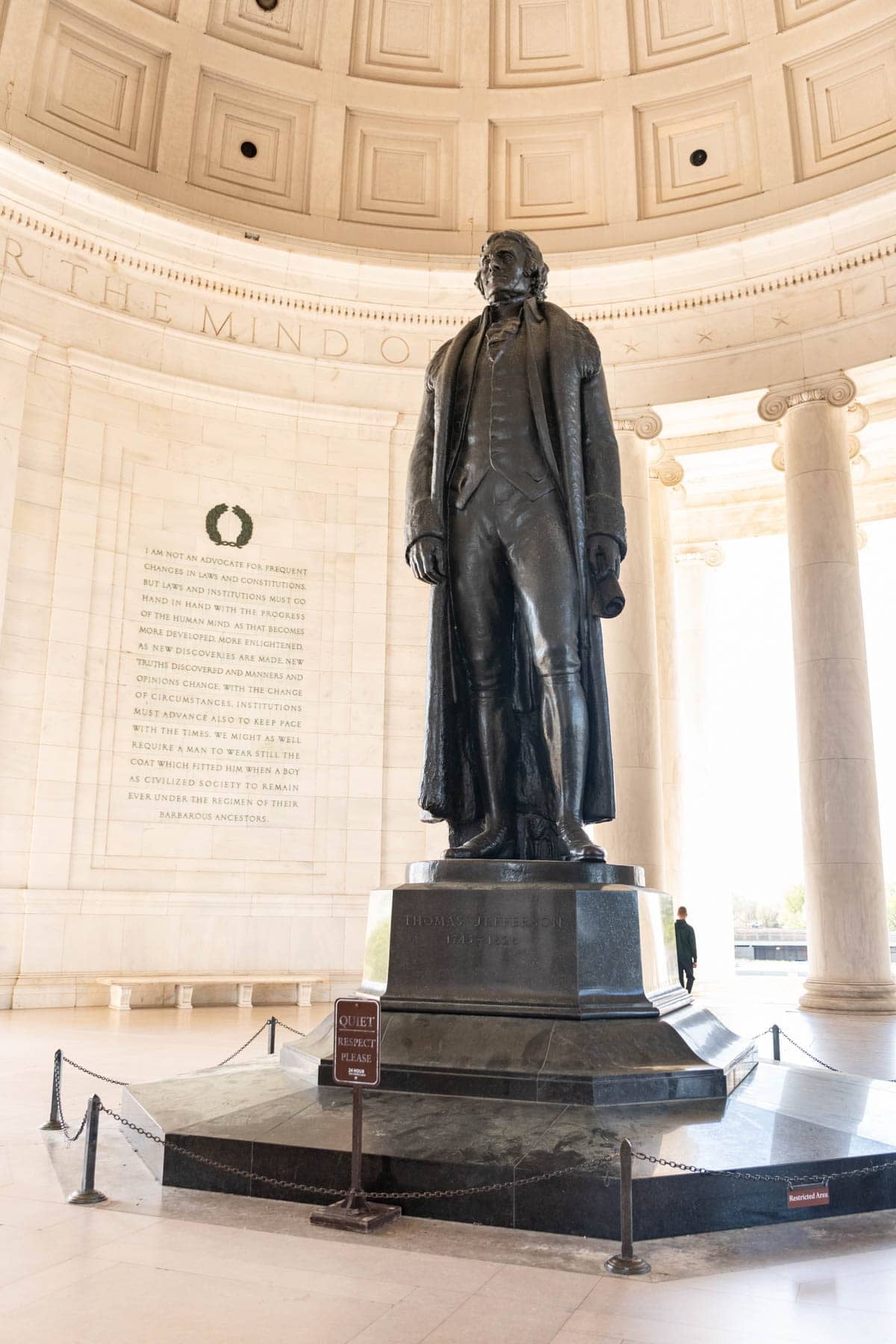
Jefferson Memorial
A peaceful, open-air memorial with sweeping views across the water in the Tidal Basin. It’s especially lovely in the morning or late afternoon.
Lincoln, Korean War & Vietnam Memorials
These three memorials sit close together at the western end of the mall and each is incredibly moving in its own way.
The Lincoln Memorial is iconic and deeply symbolic. For lack of a better word, it really is monumental and one of the largest monuments in D.C.
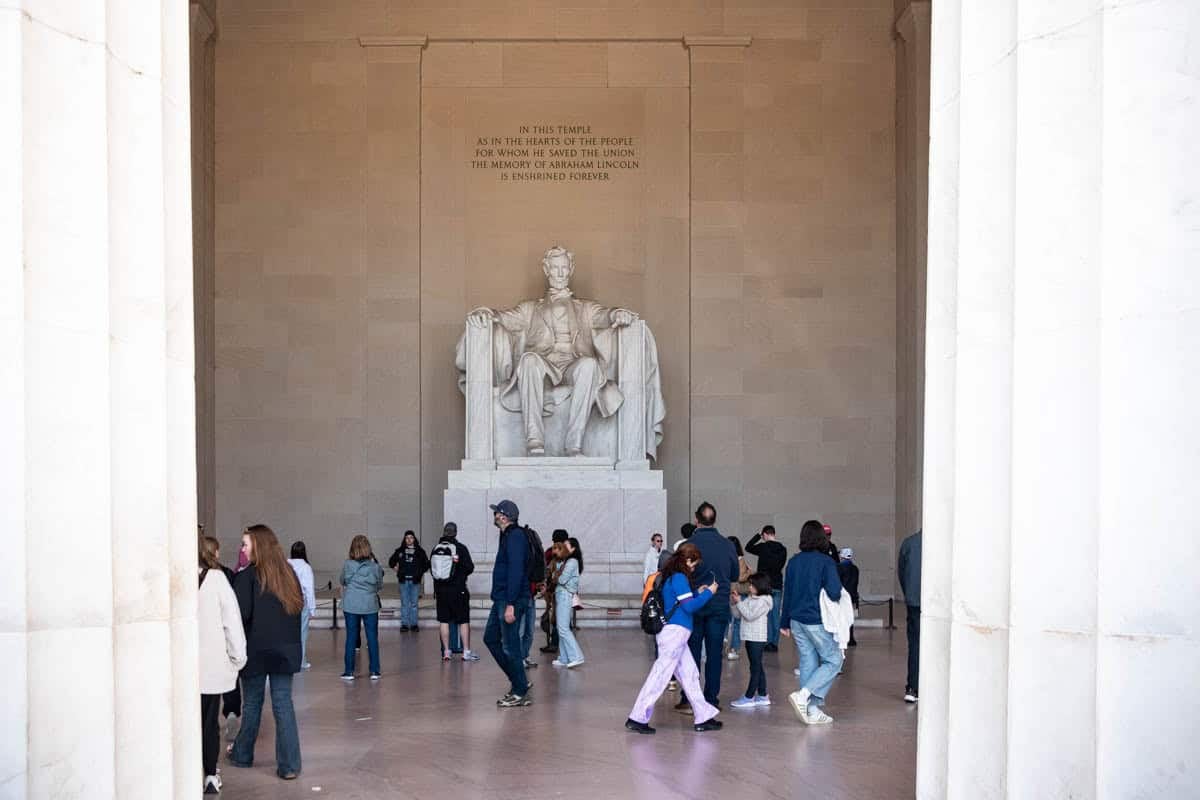
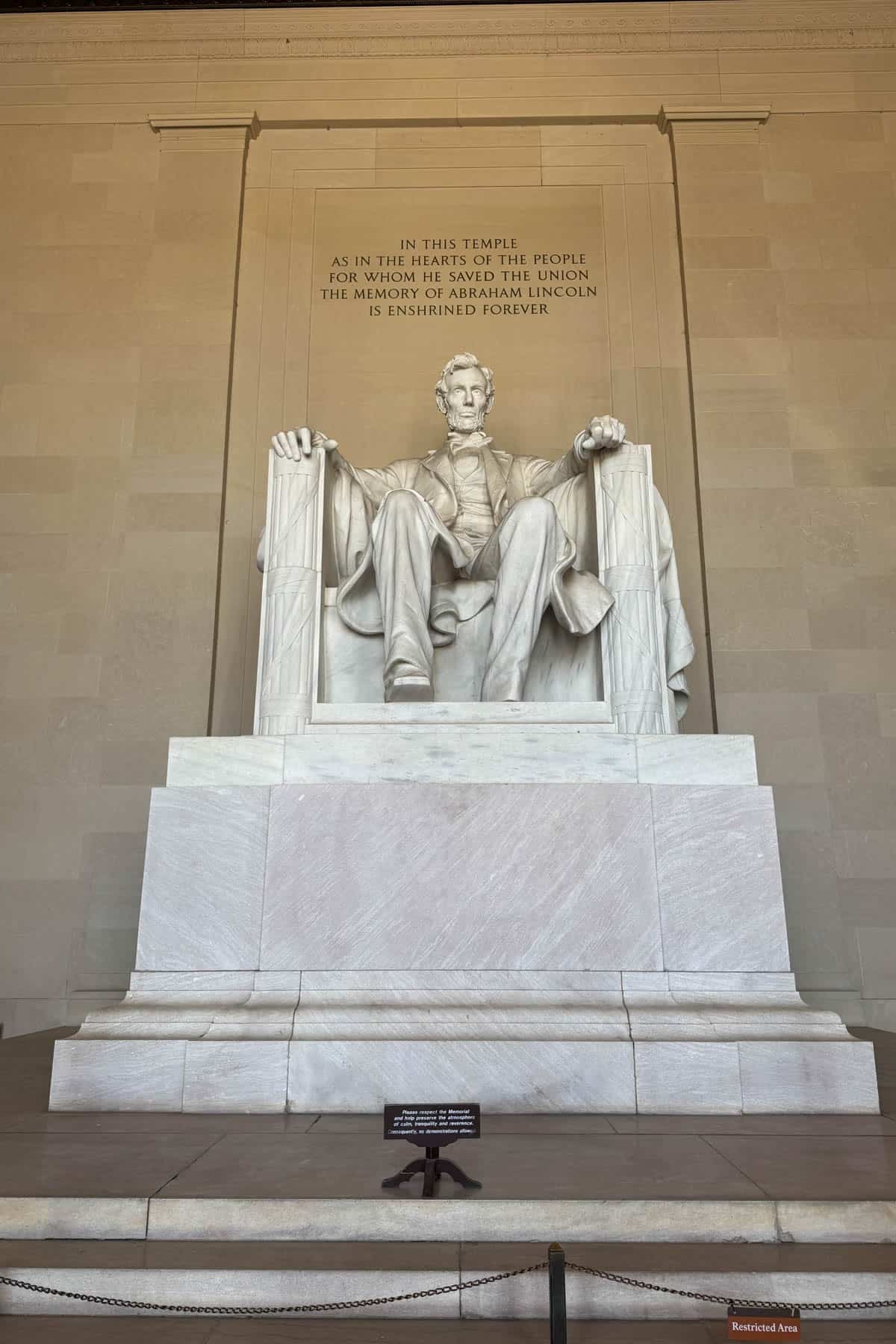
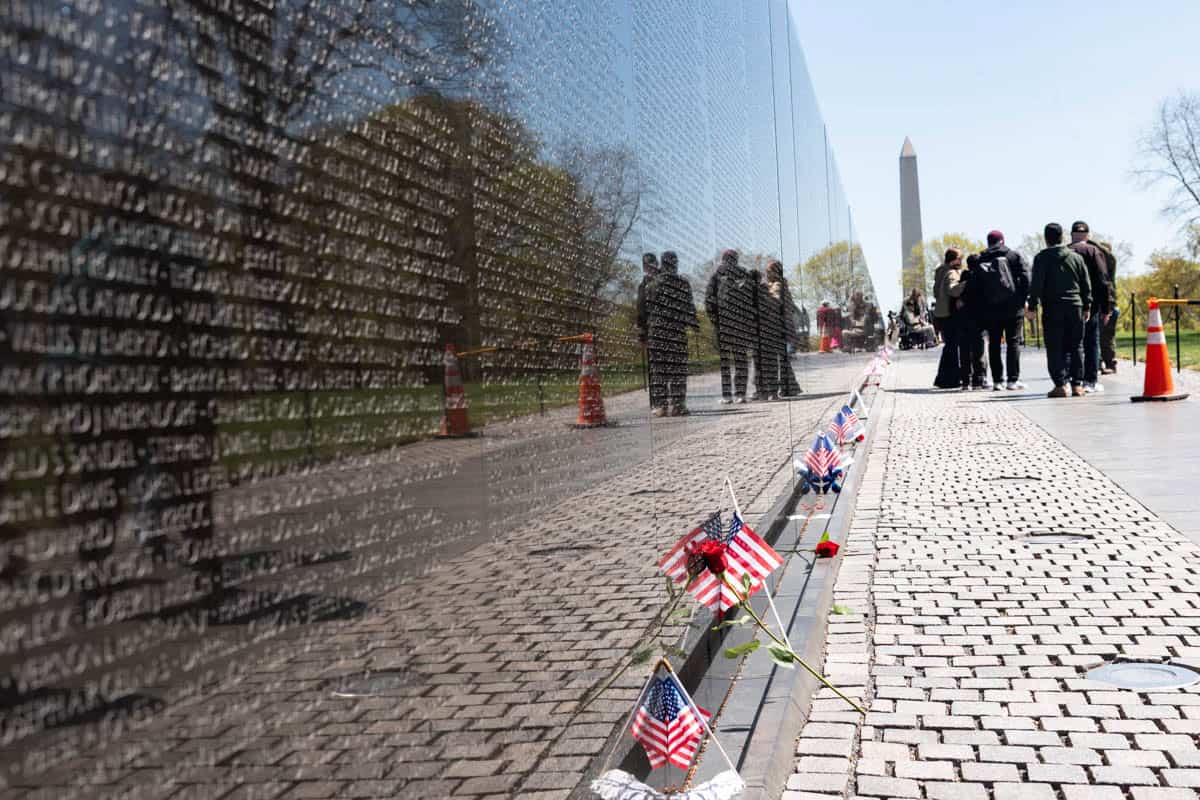
The Vietnam Veterans Memorial is simple but profoundly emotional and my favorite of all three. The wall of names that goes down into the earth and then rises back up is so unique compared to all of the other monuments.
There were actually a number of veterans there from the Vietnam War when we were visiting and it was a great opportunity to talk about the sacrifices made for us with our kids.
The Korean War Memorial is hauntingly lifelike with ghostly gray soldiers walking through foliage. This one is usually a kid favorite.
Optional Day 3 Add-Ons (If You Have Time)
If you have a partial or full third day, consider a combination of any of the following:
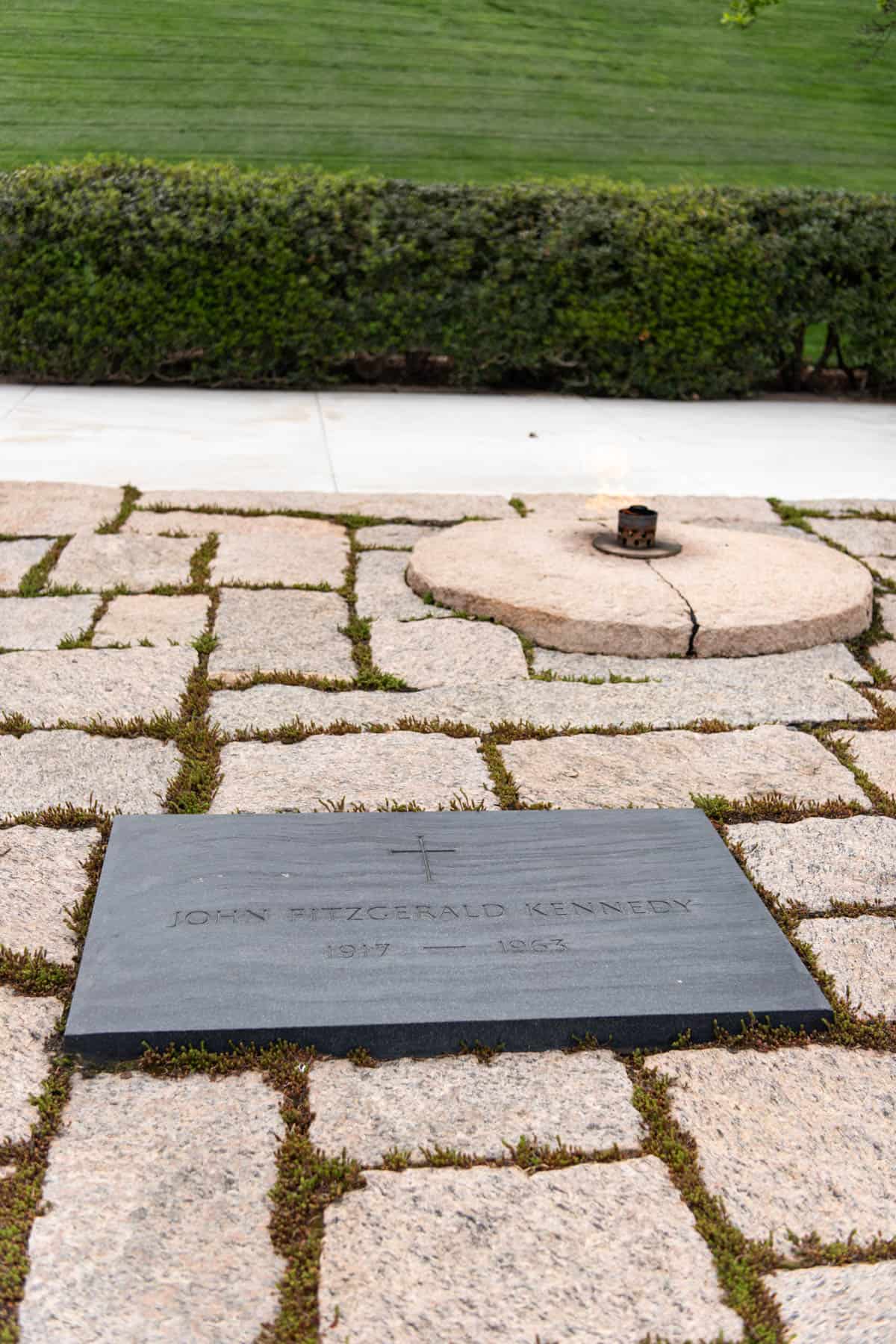
Arlington National Cemetery
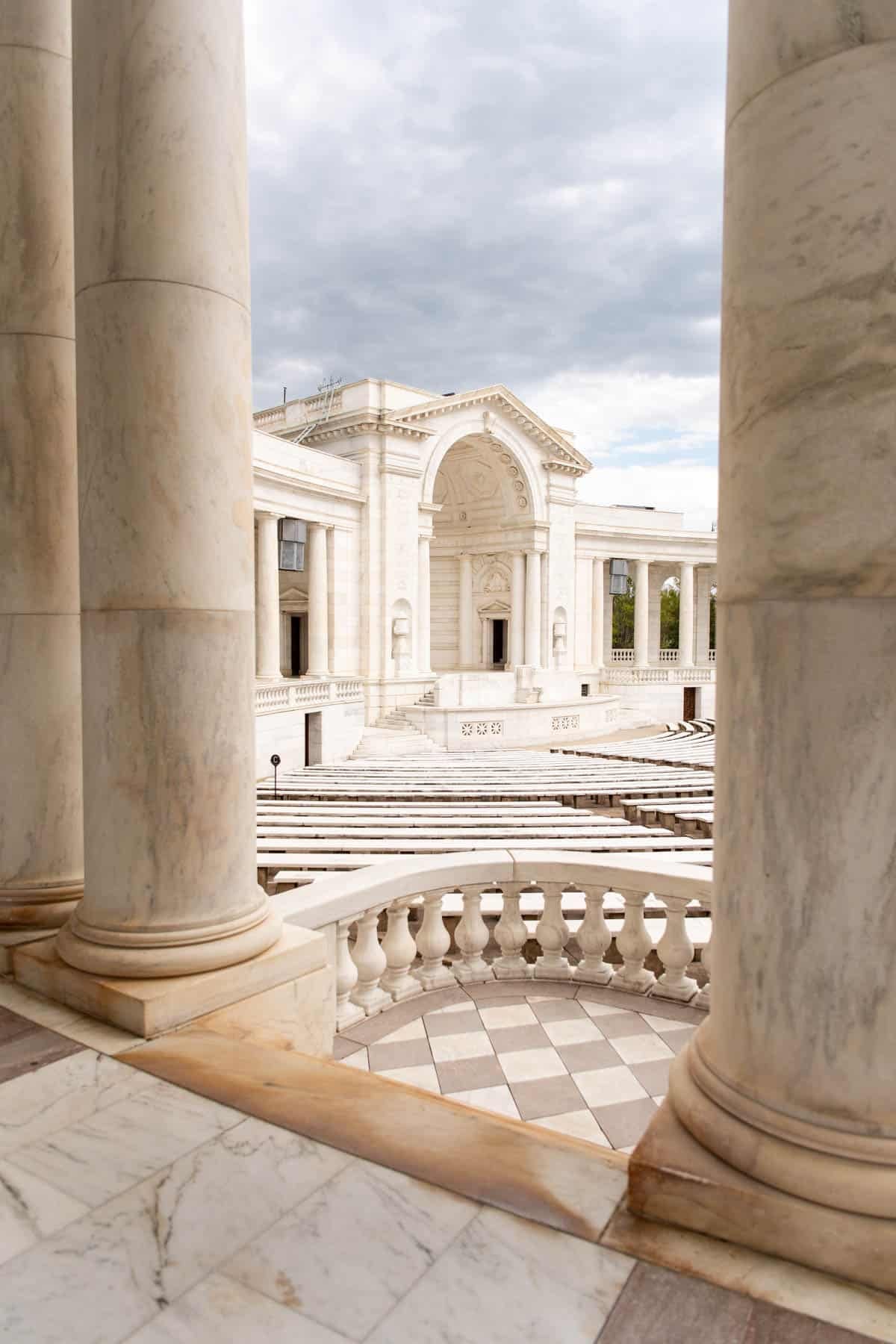
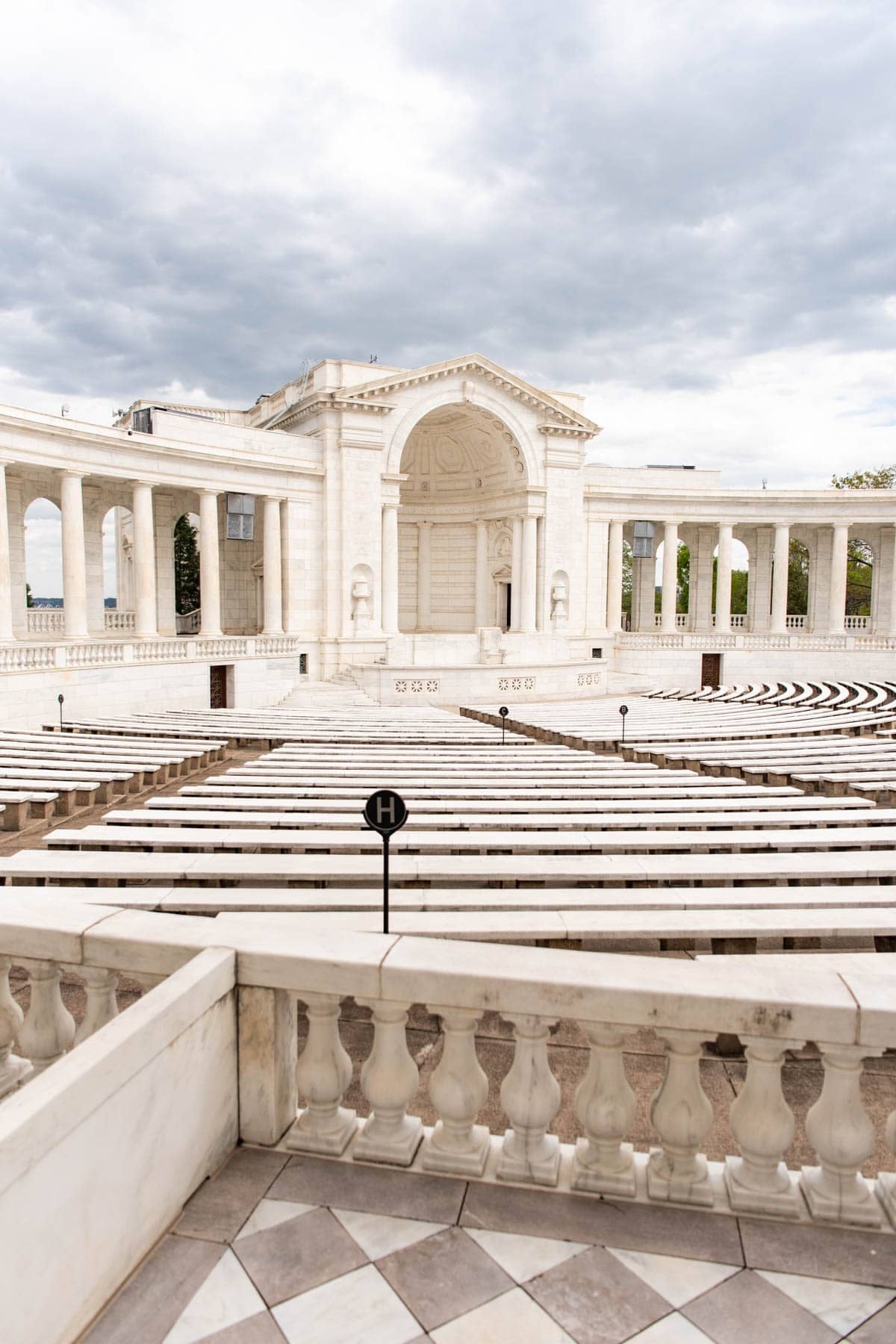
Spread across rolling hills overlooking the Potomac, the Arlington National Cemetery is filled with long rows of white headstones honoring those who served.
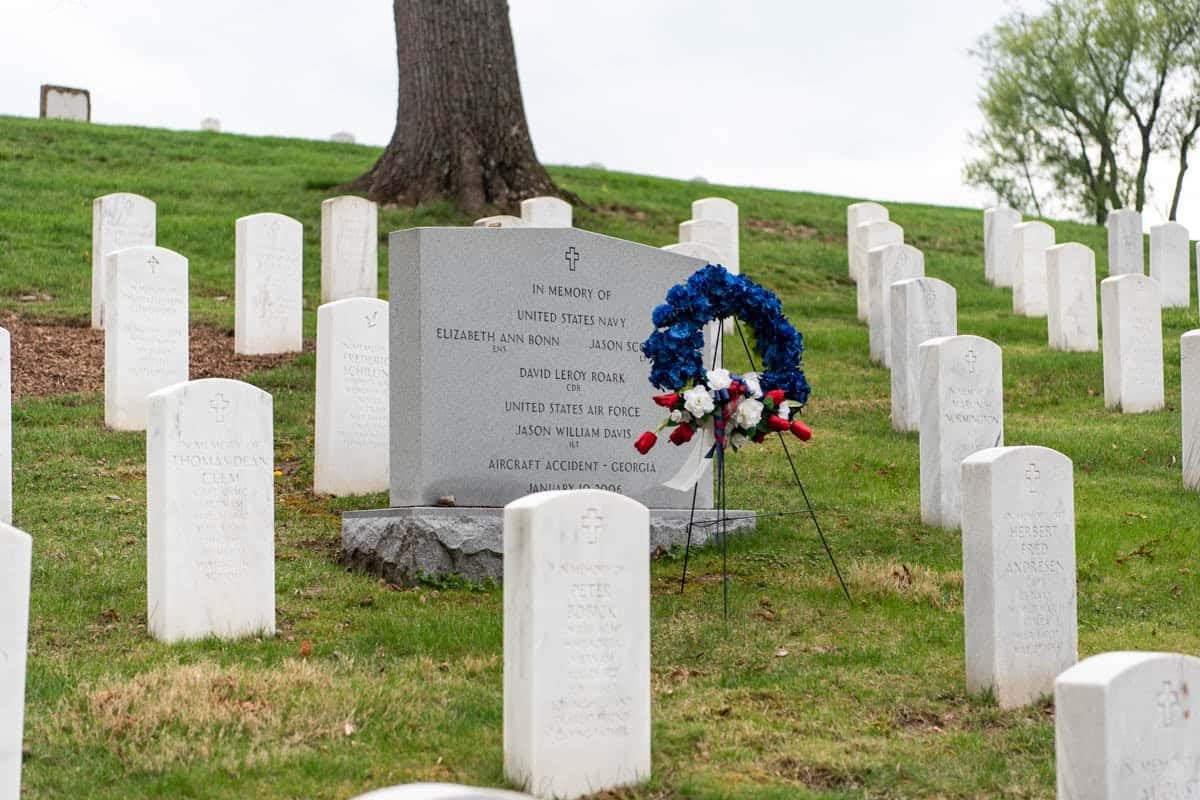
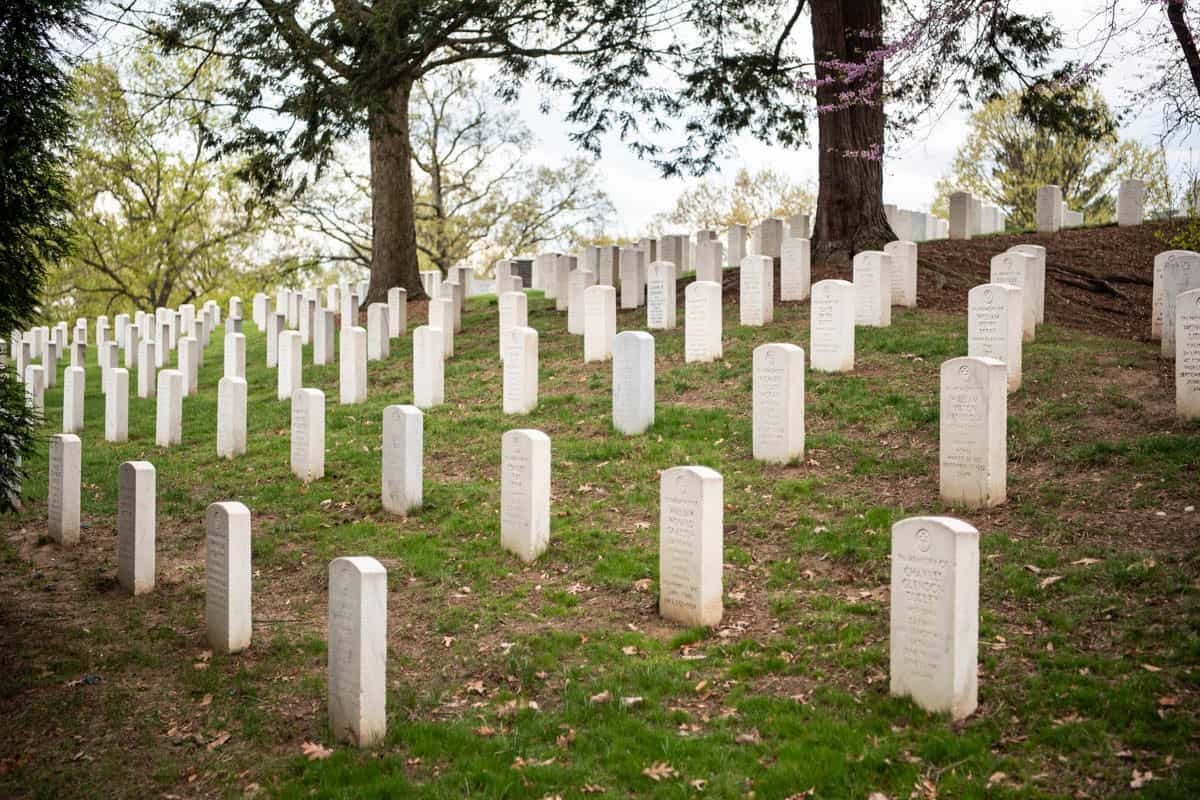
We went specifically to witness the Changing of the Guard at the Tomb of the Unknown Soldier. The precise and solemn ceremony happens regularly throughout the day (more frequently in summer), and arriving early is recommended to get a good viewing spot.
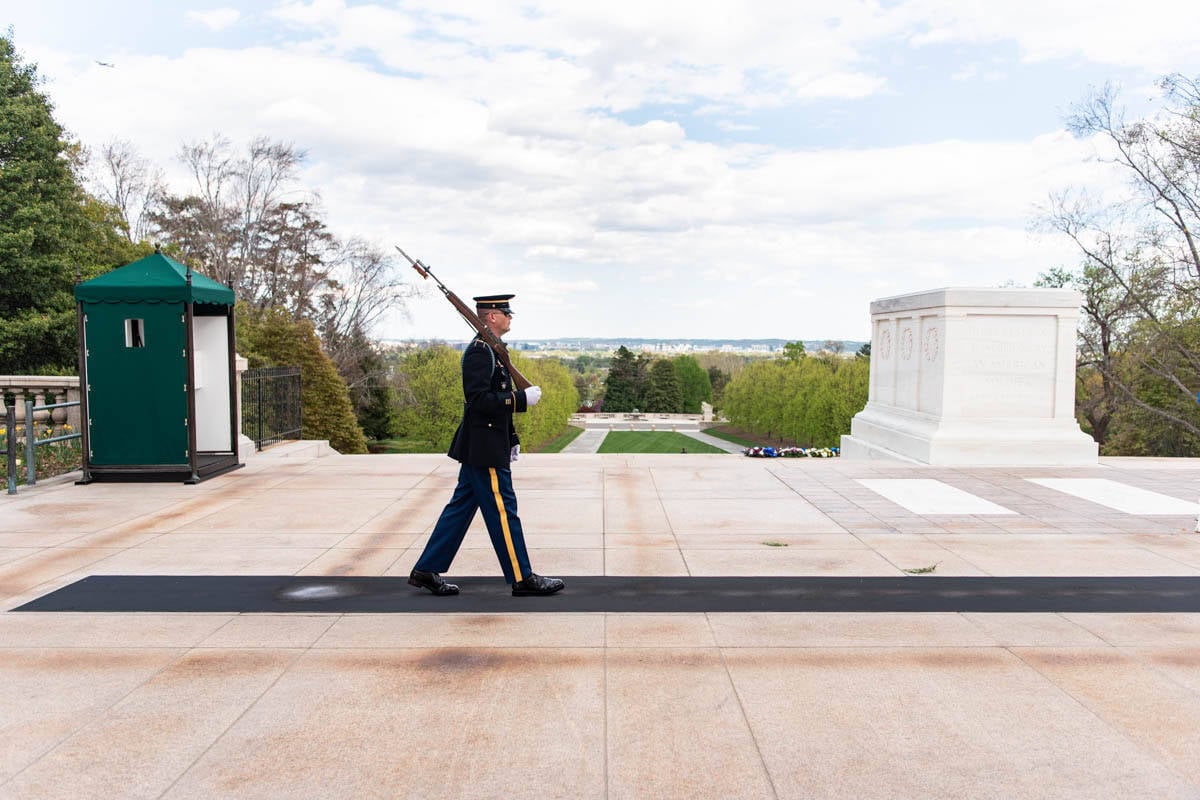
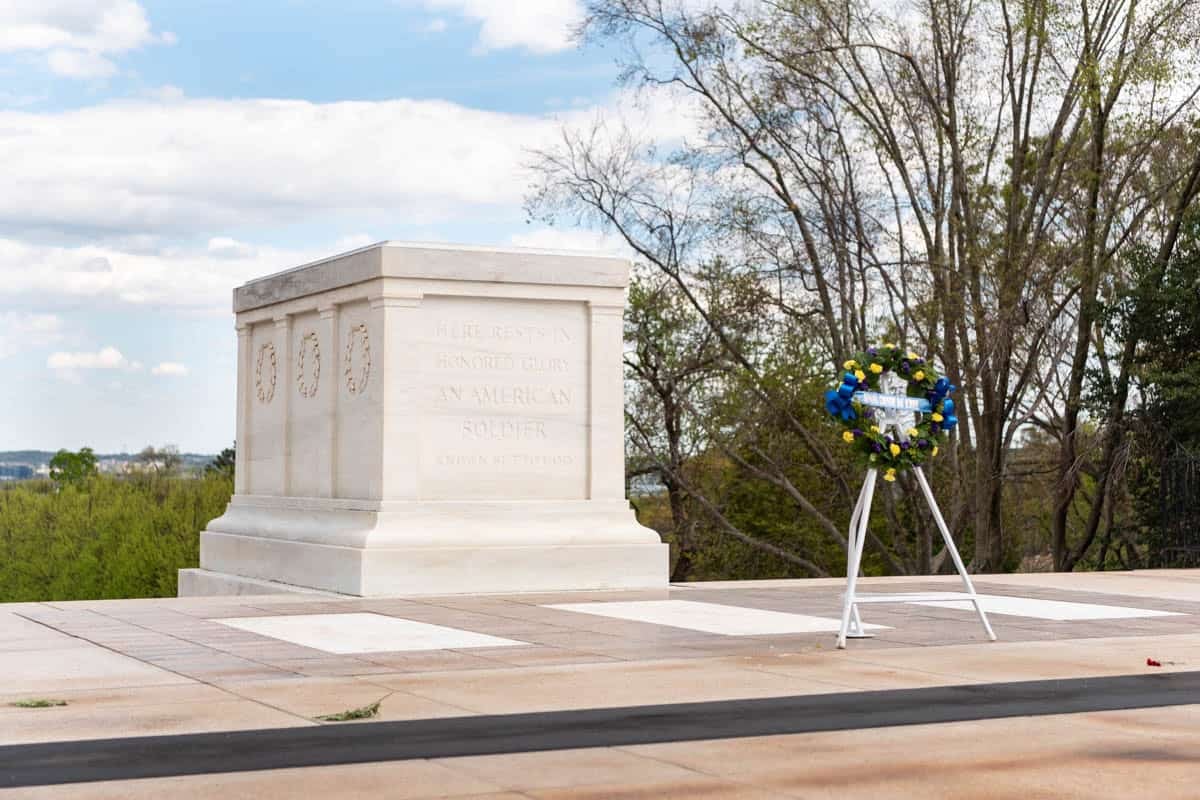
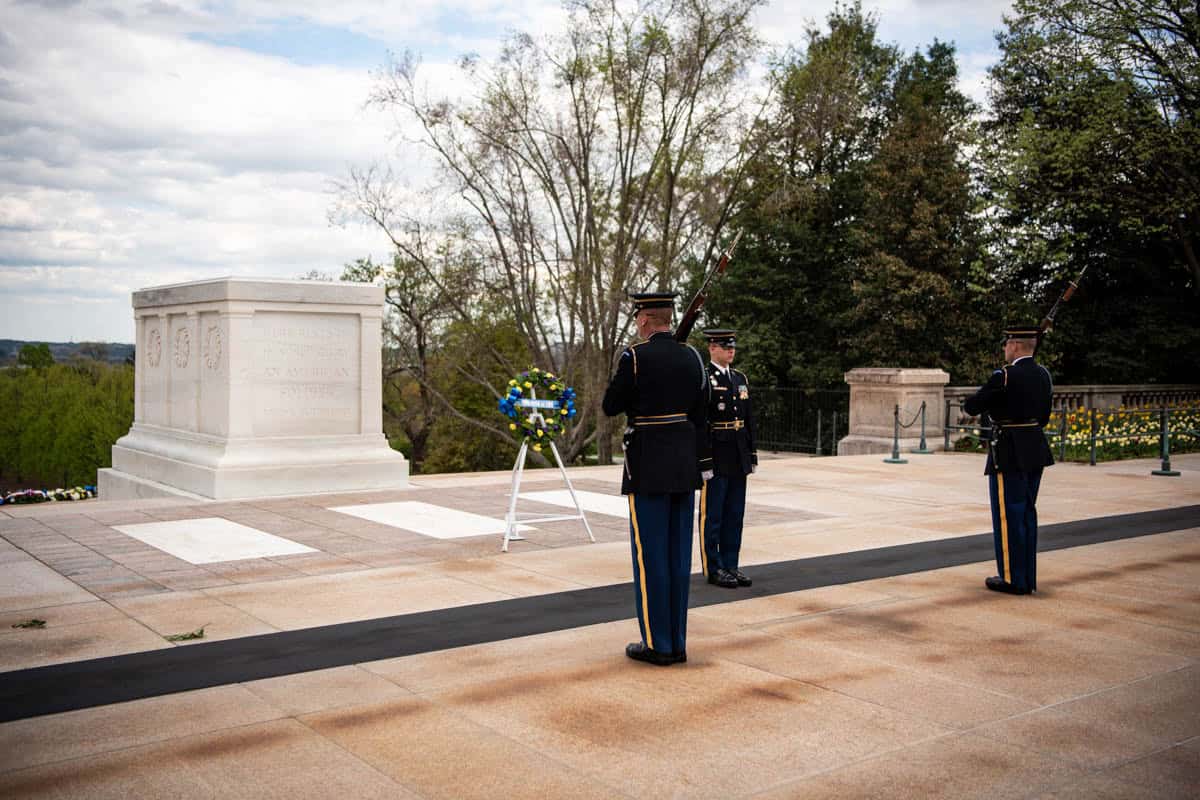
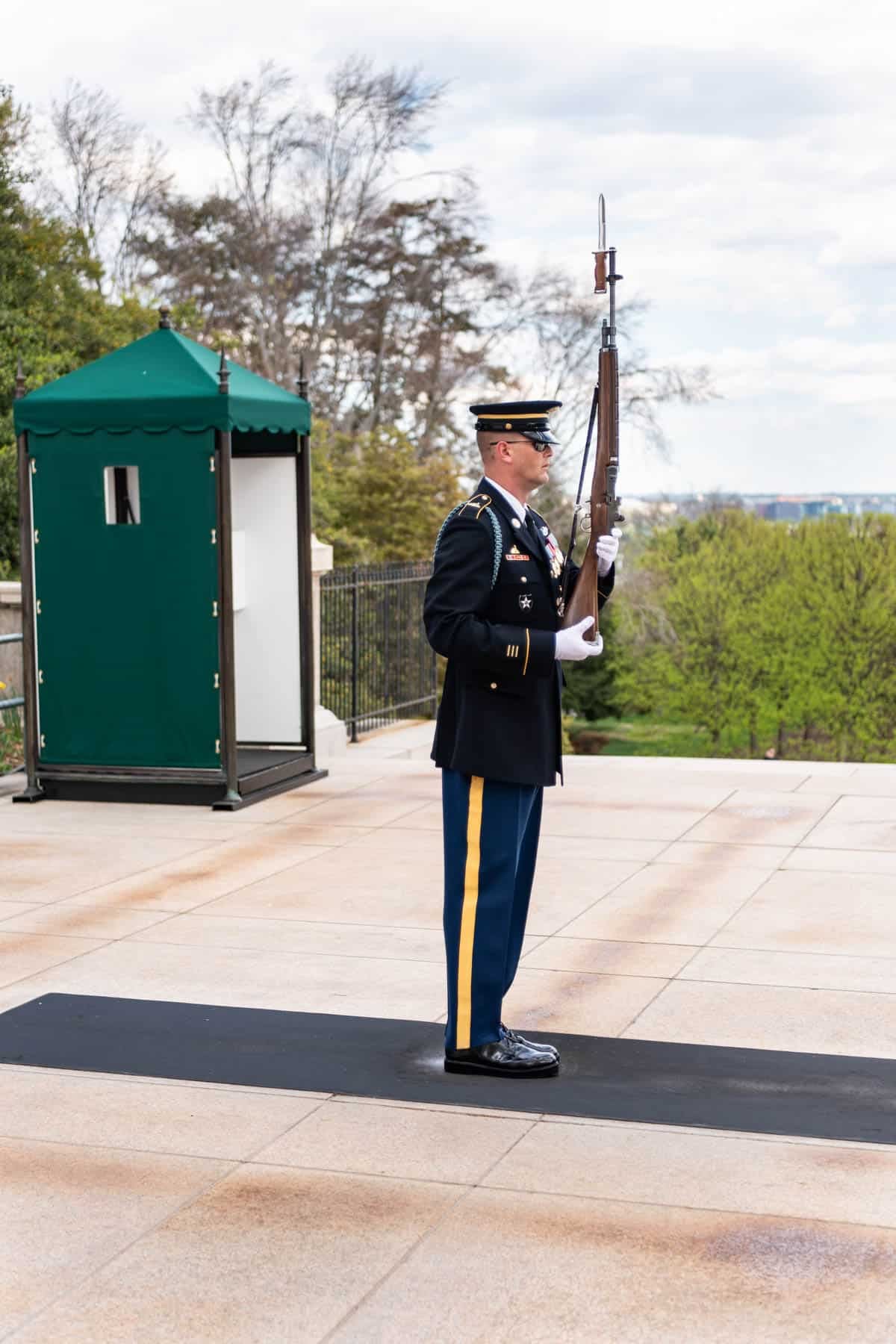
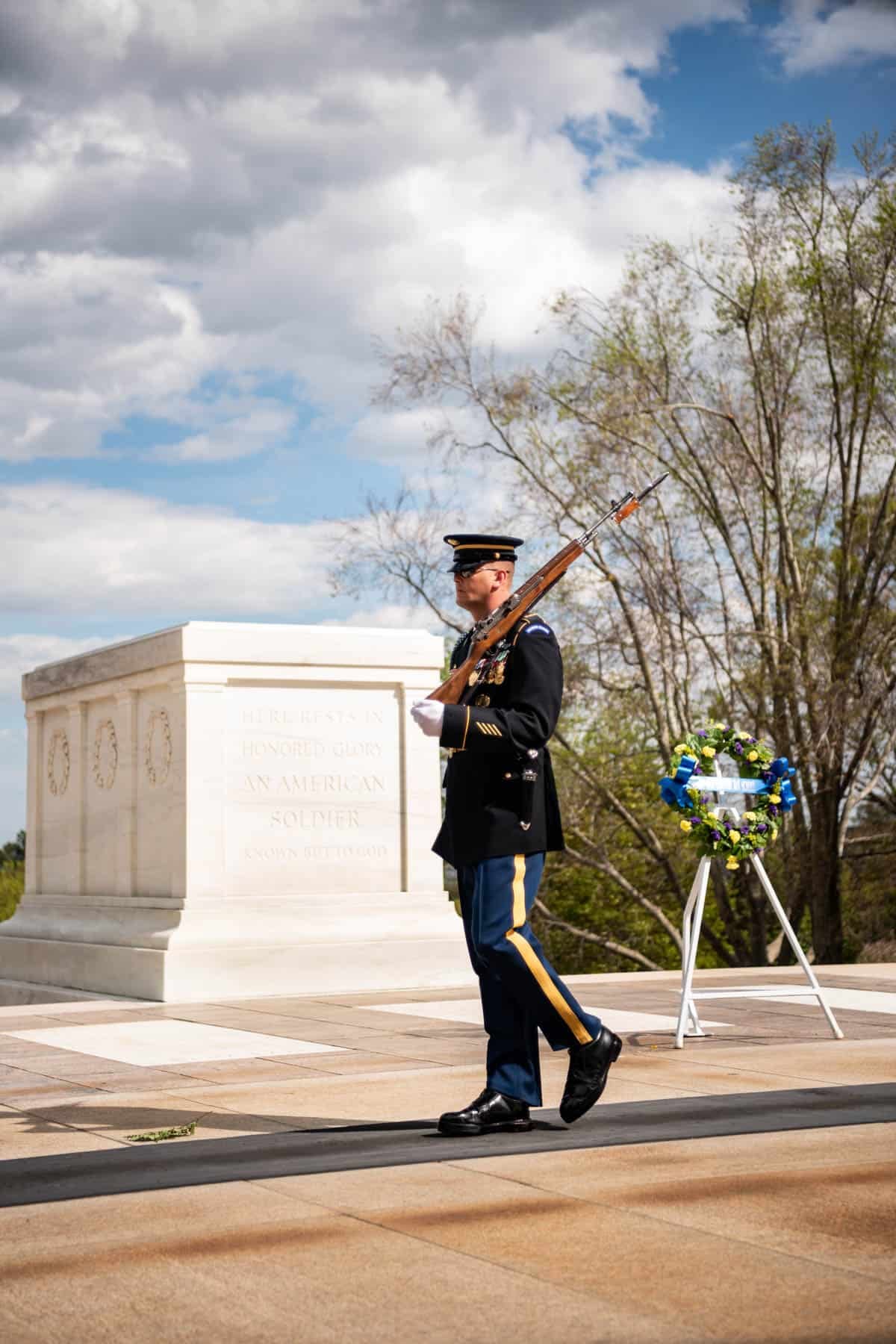
Beyond the ceremony, simply walking the quiet, expansive, and deeply reverent grounds leaves a lasting impression.
International Spy Museum
If you want a break from traditional history, this is one of the most fun and interactive museums in the city that is very popular with kids and teens. You take on a cover identity and complete an interactive mission as you move through the museum, looking at real spy gear like tiny cameras, concealed weapons, and disguise tools.
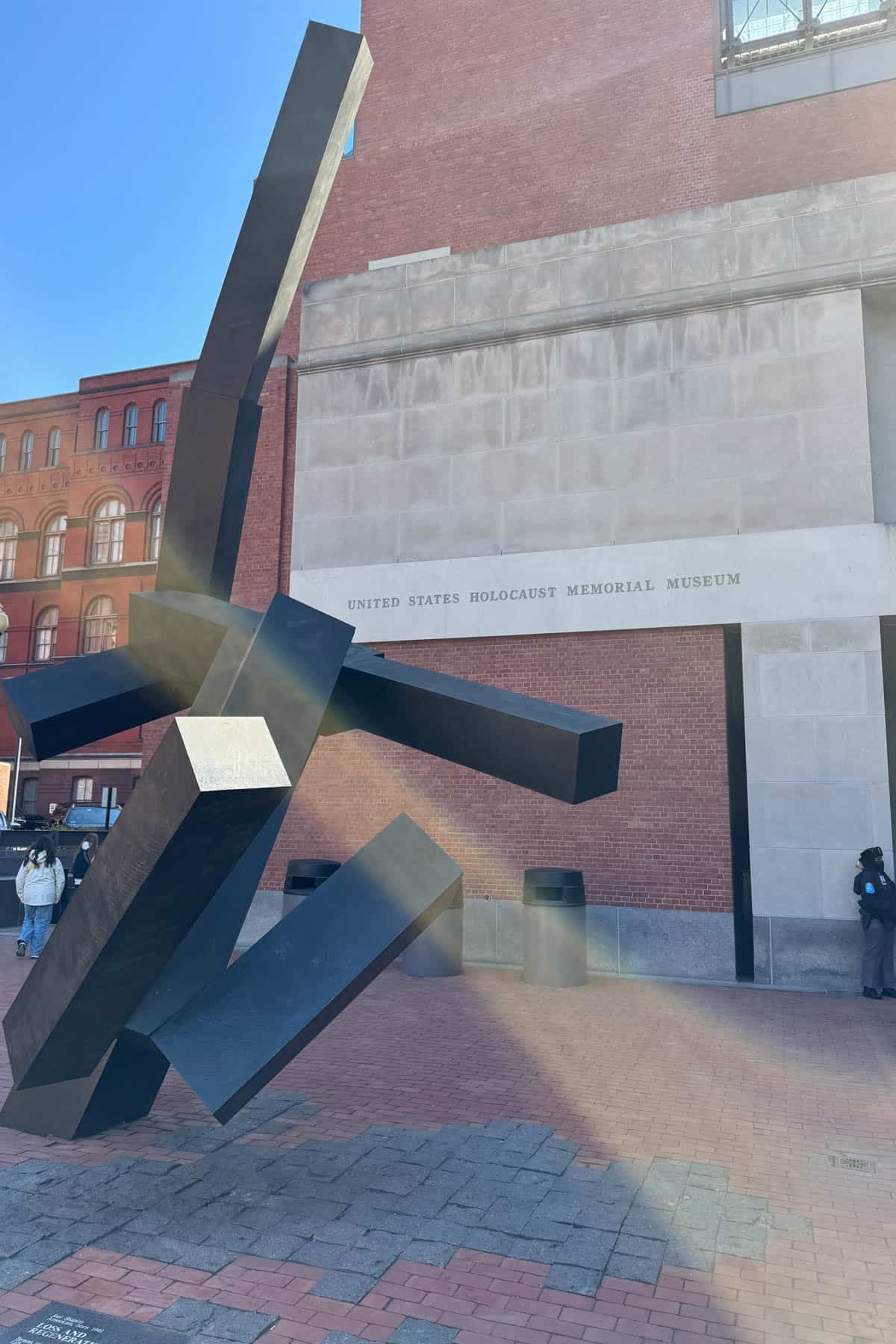
Holocaust Memorial Museum
This is one of the most moving museums in the country. It is not light, but it’s incredibly impactful. It is important to know that the museum recommends the main exhibition for ages 11+. It’s emotionally heavy, but we found it very meaningful to experience together and discuss afterward.
National Museum of African American History & Culture
One of the most powerful museums on the Mall. The lower levels focus on slavery and civil rights; upper floors explore culture, sports, music, and community.
White House Tour
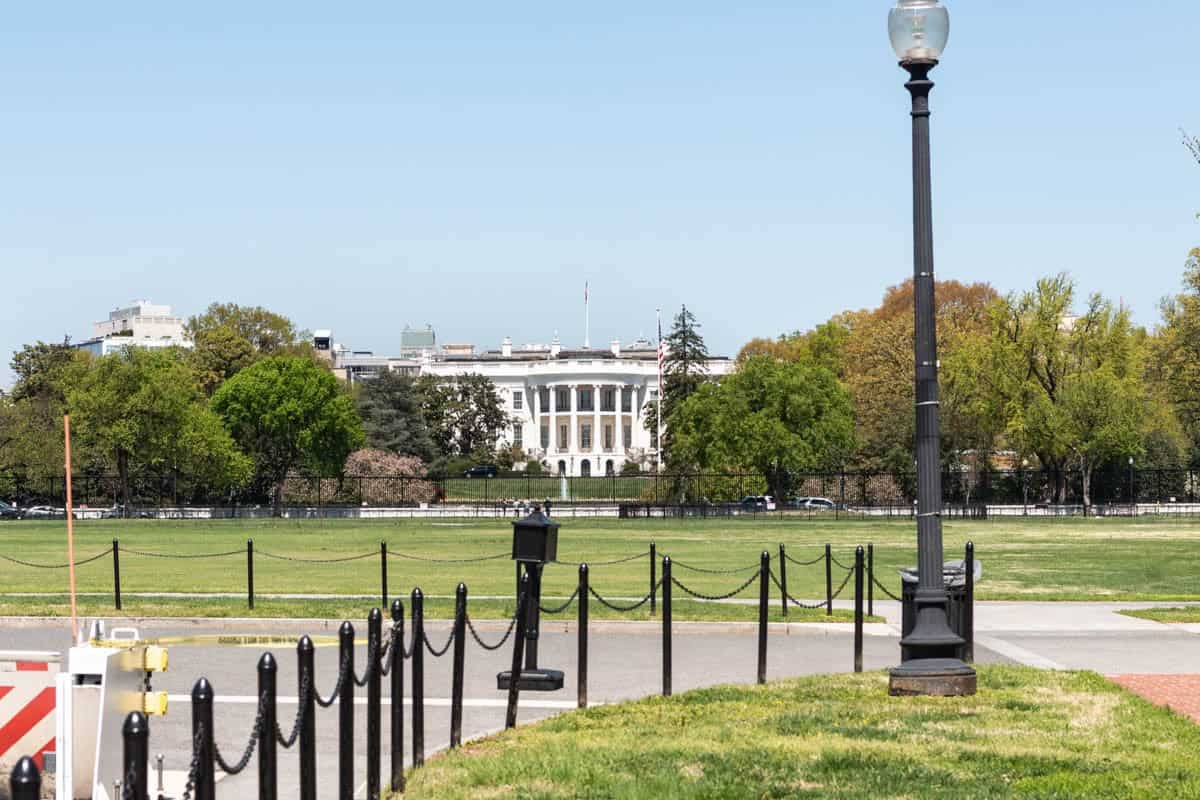
I only put this on the optional Day 3 because it feels so hit or miss whether this is available of you can get tickets, but I would love to do it some day. The tours often book out far in advance, if they are being offered at all, and they must be requested through your Member of Congress.
What to Know Before You Go
- Expect 20,000+ steps per day if you’re seeing everything on foot.
- Bring comfortable shoes and take breaks when needed.
- Museum fatigue is real — don’t feel like you have to see everything.
The Big Mindset Shift
For kids and teens, the goal isn’t to see everything. It’s to remember a few things really well.
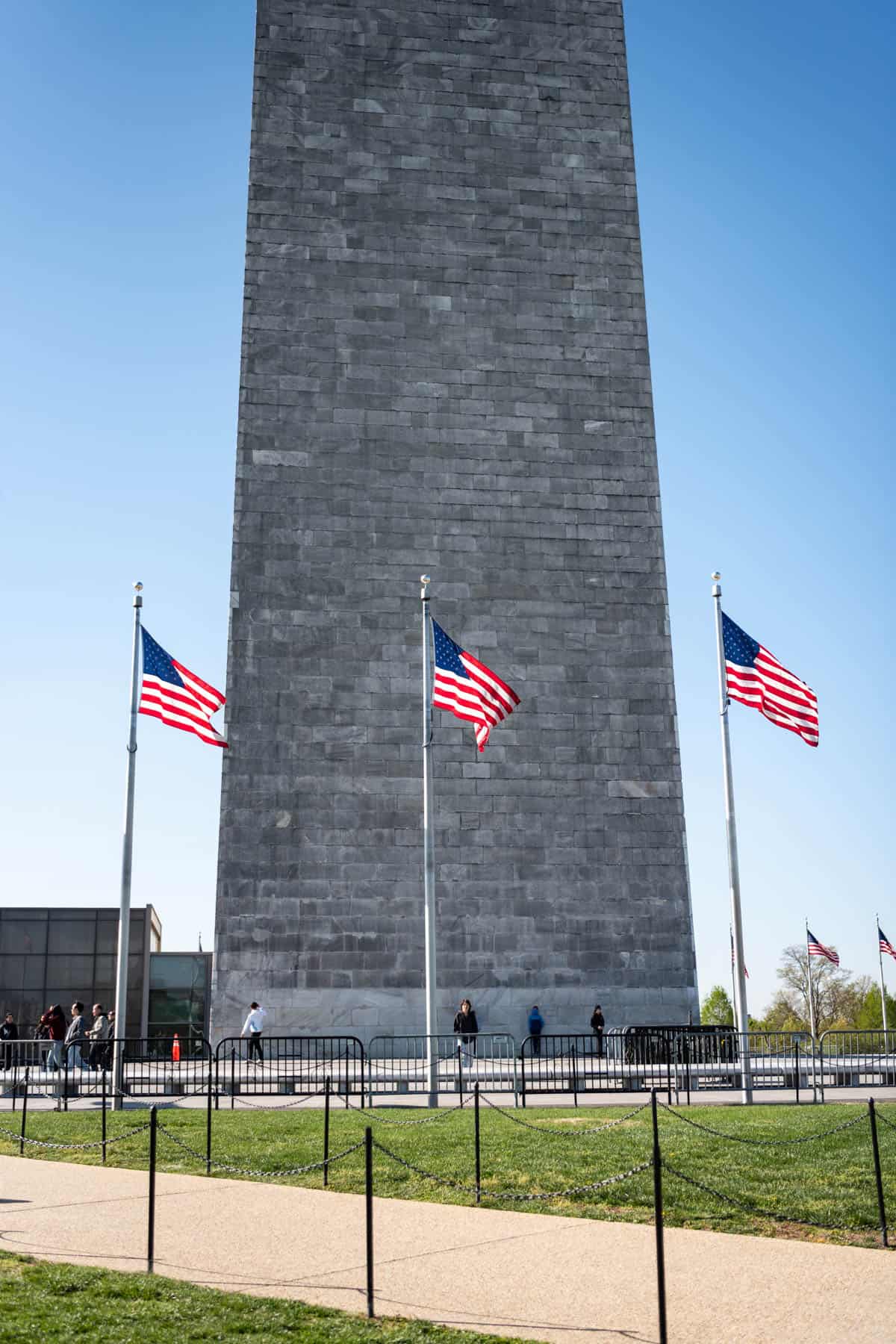
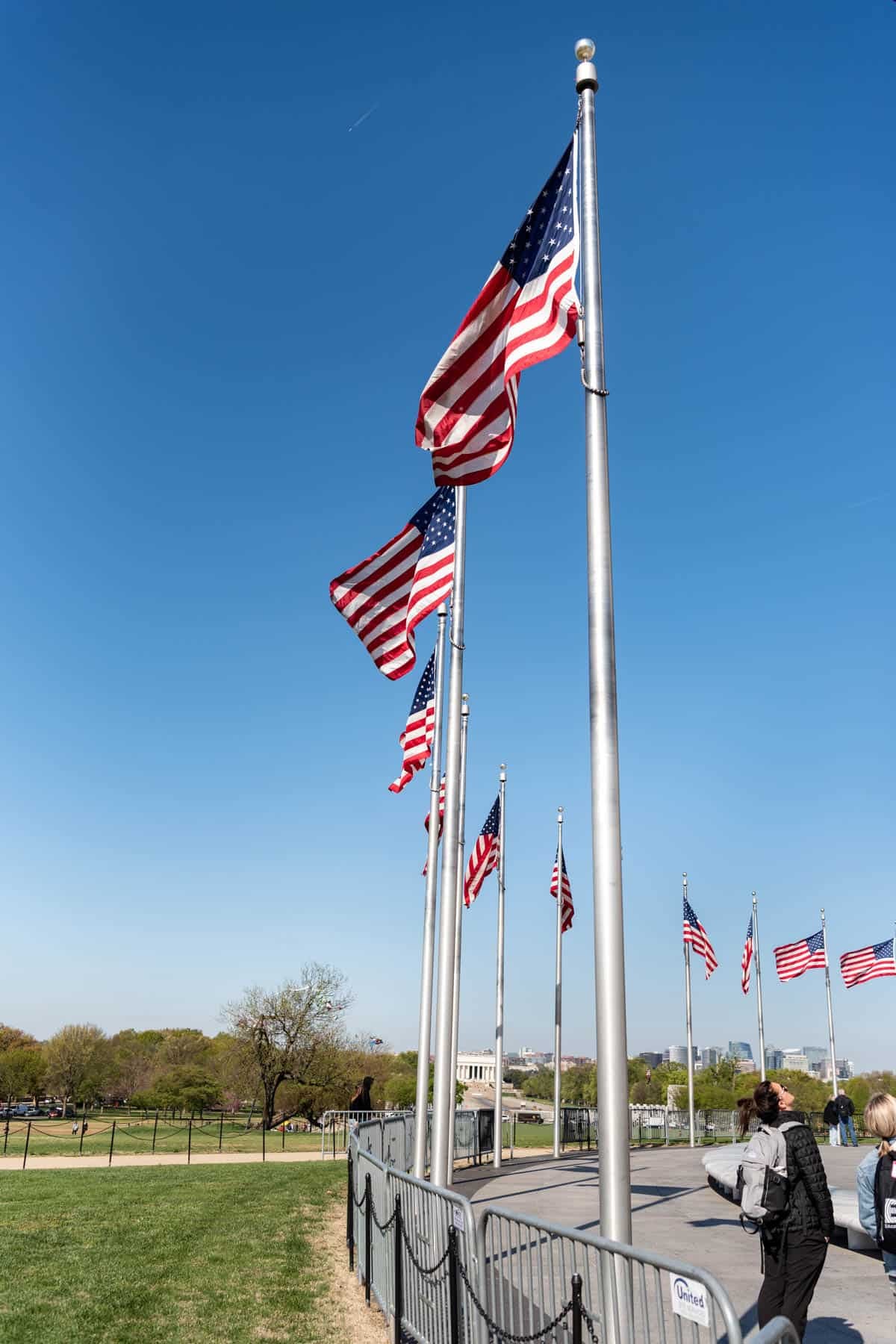
If they leave remembering the spaceships or planes in the Air & Space Museum, the flags surrounding the Washington Monument, the Lincoln Memorial, and maybe one powerful moment, that’s a huge win as a parent.
End the Day on a High Note
Before heading back, grab ice cream or a treat near the mall. Or even just sit and relax on the grass. Ending the day with something fun helps kids remember the day positively, even if they’re tired like ours were.
Remember that when you slow down just enough, give the kids or teens some ownership (ask them “this museum or that museum?”), and mix in fun with learning, it becomes a trip they’ll actually remember and not just survive.