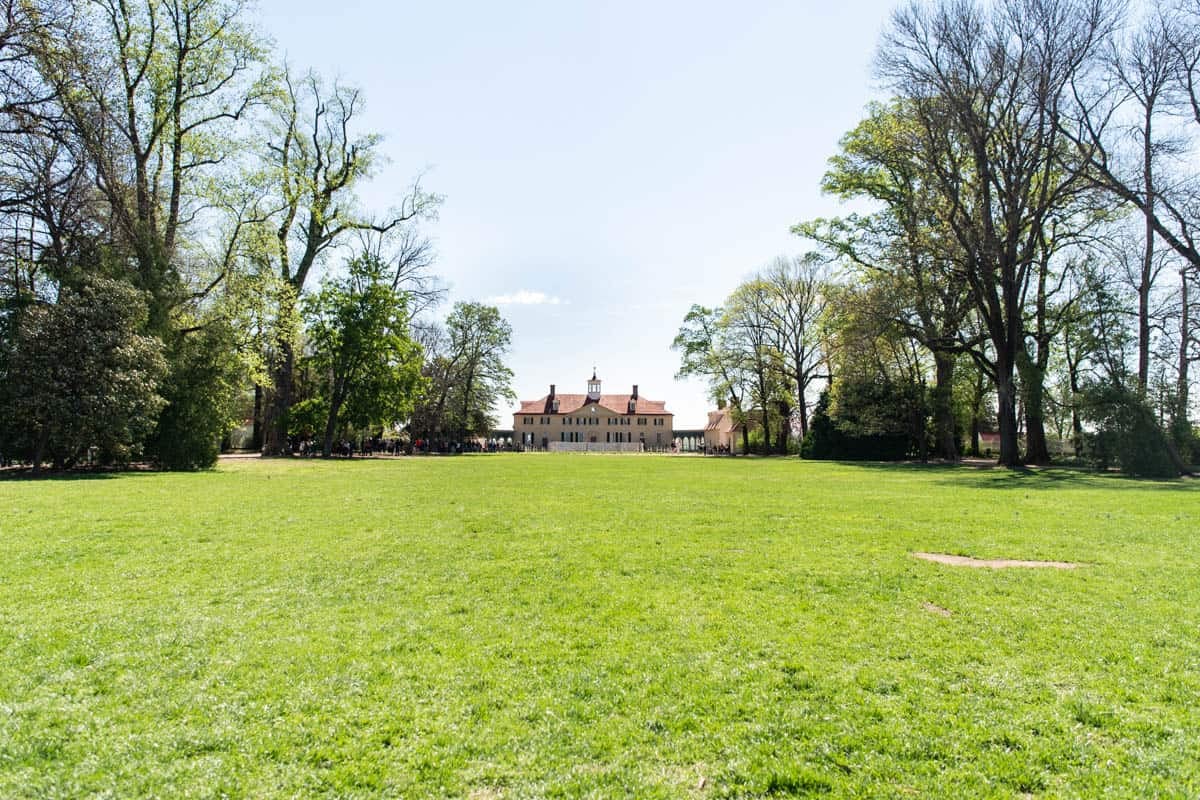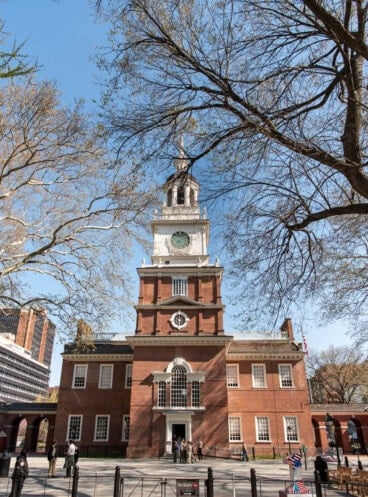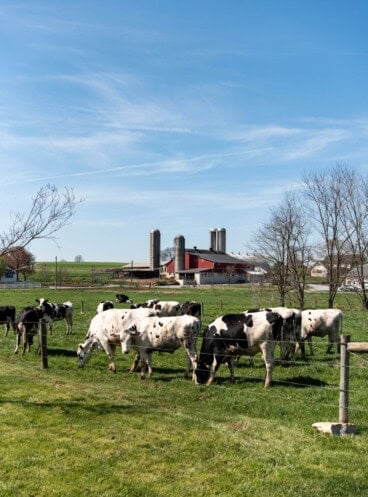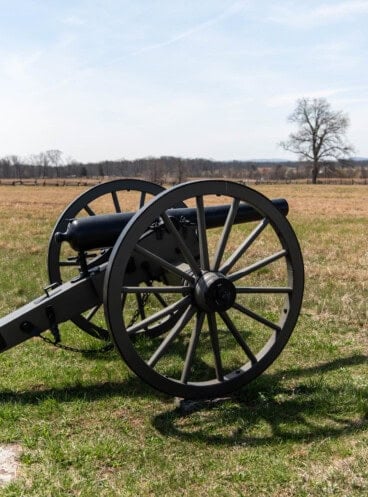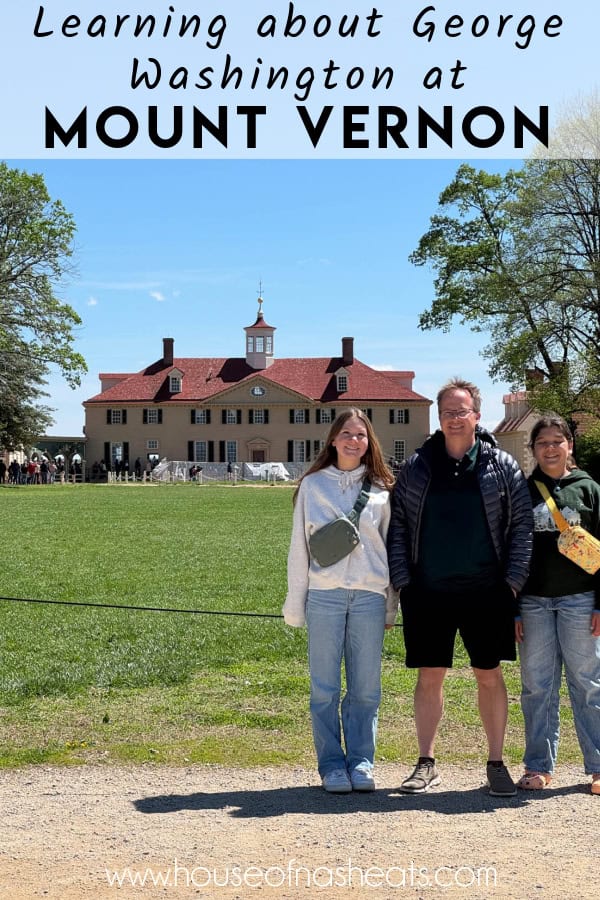
At Mount Vernon, George Washington’s world comes to life, from the rooms he lived in to the fields, gardens, and river views that defined his daily life. It’s immersive, peaceful, and one of the most meaningful day trips from Washington D.C. or as a stop on an East Coast American history trip.
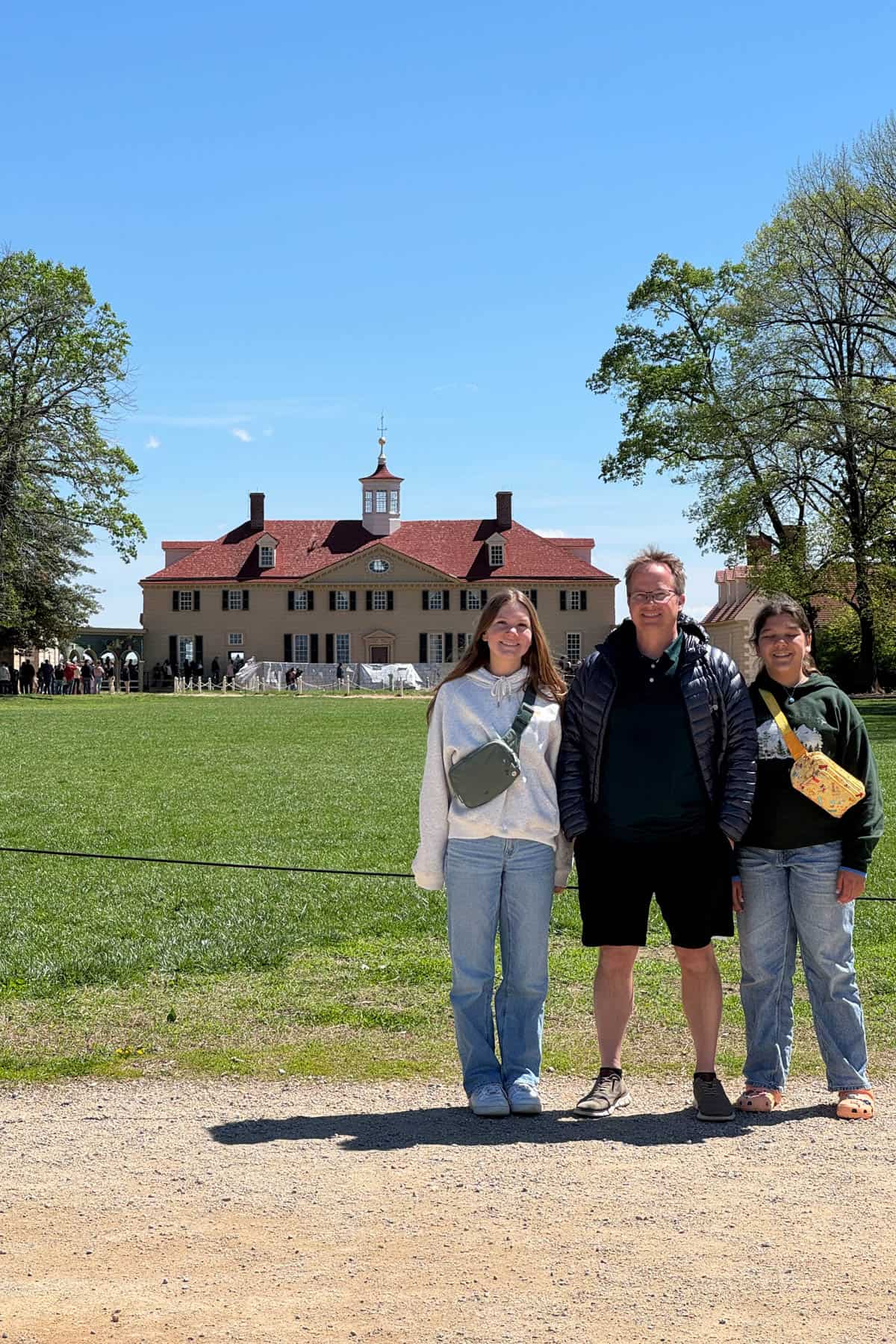
There’s a reason Mount Vernon feels different from other historic homes. You’re not just walking through a preserved building but actually stepping into a living landscape that still looks and feels much like it did in the 18th century. The house sits high on a bluff overlooking the Potomac River, and the view alone is enough to make you pause and imagine what it must have felt like to stand there centuries ago, watching ships move along the water.
Walking Through the House
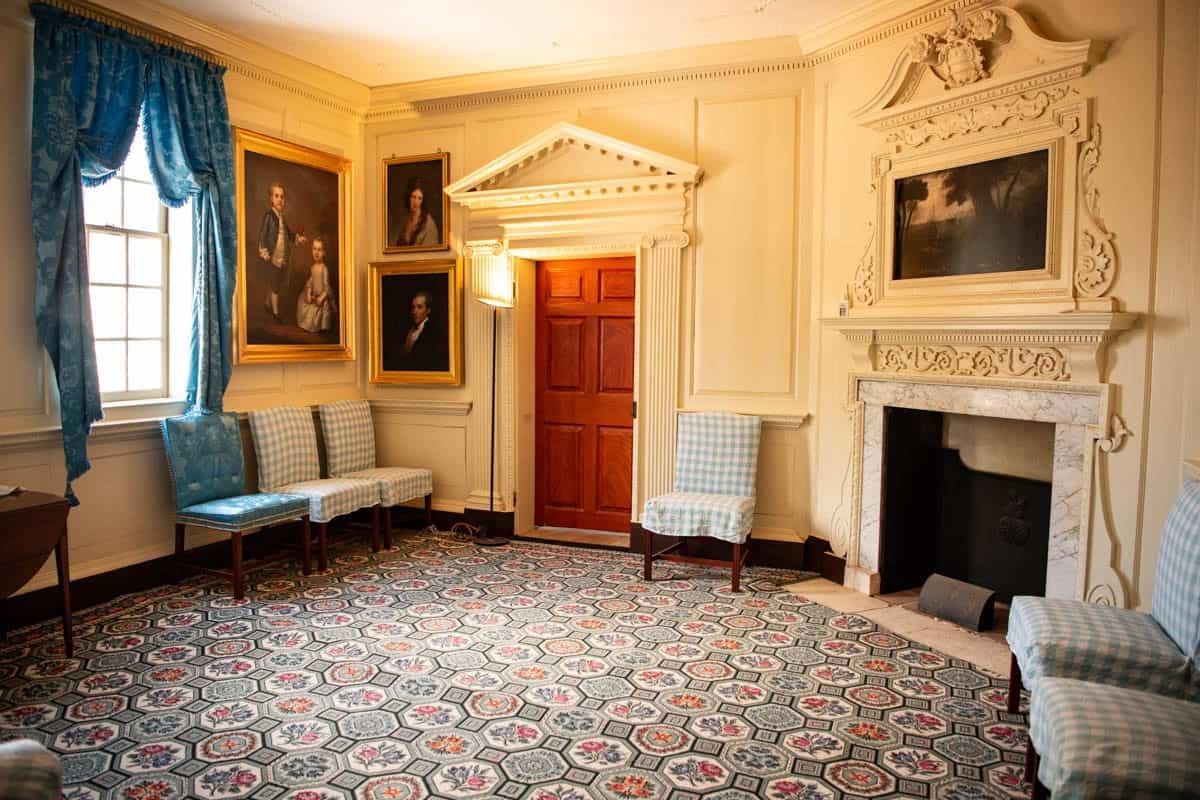
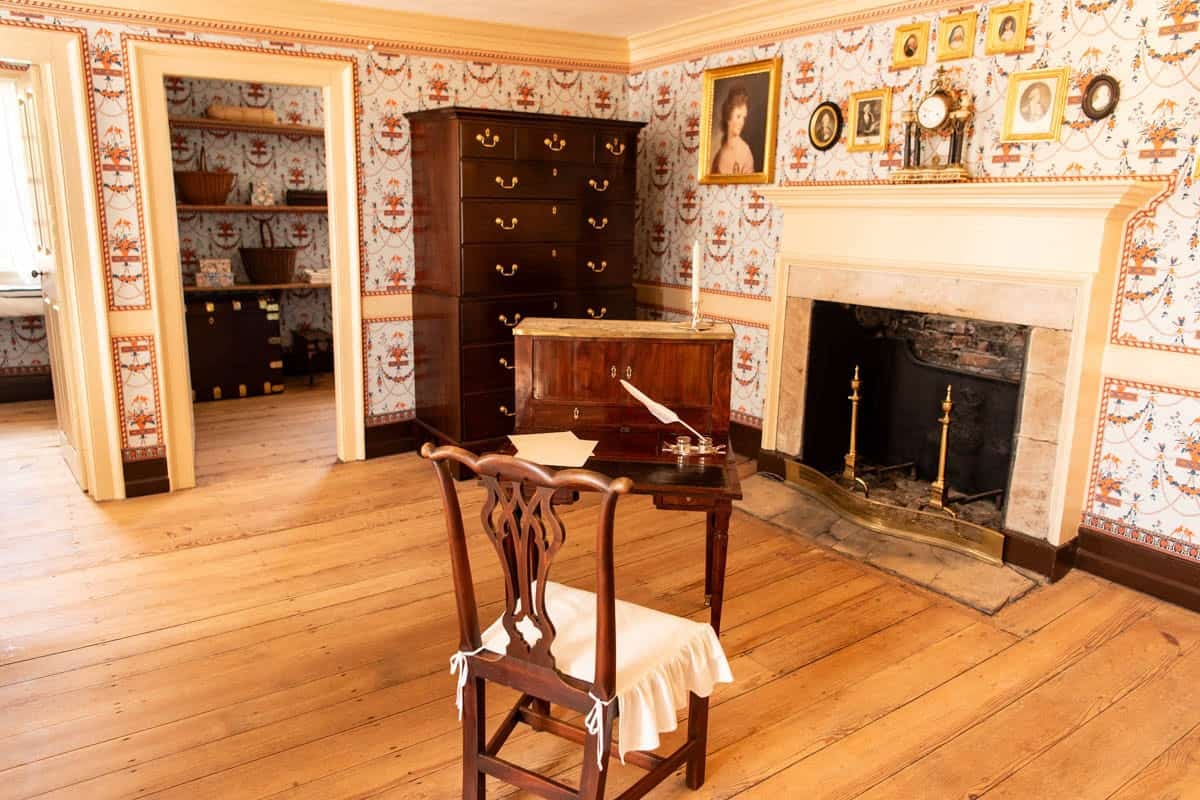
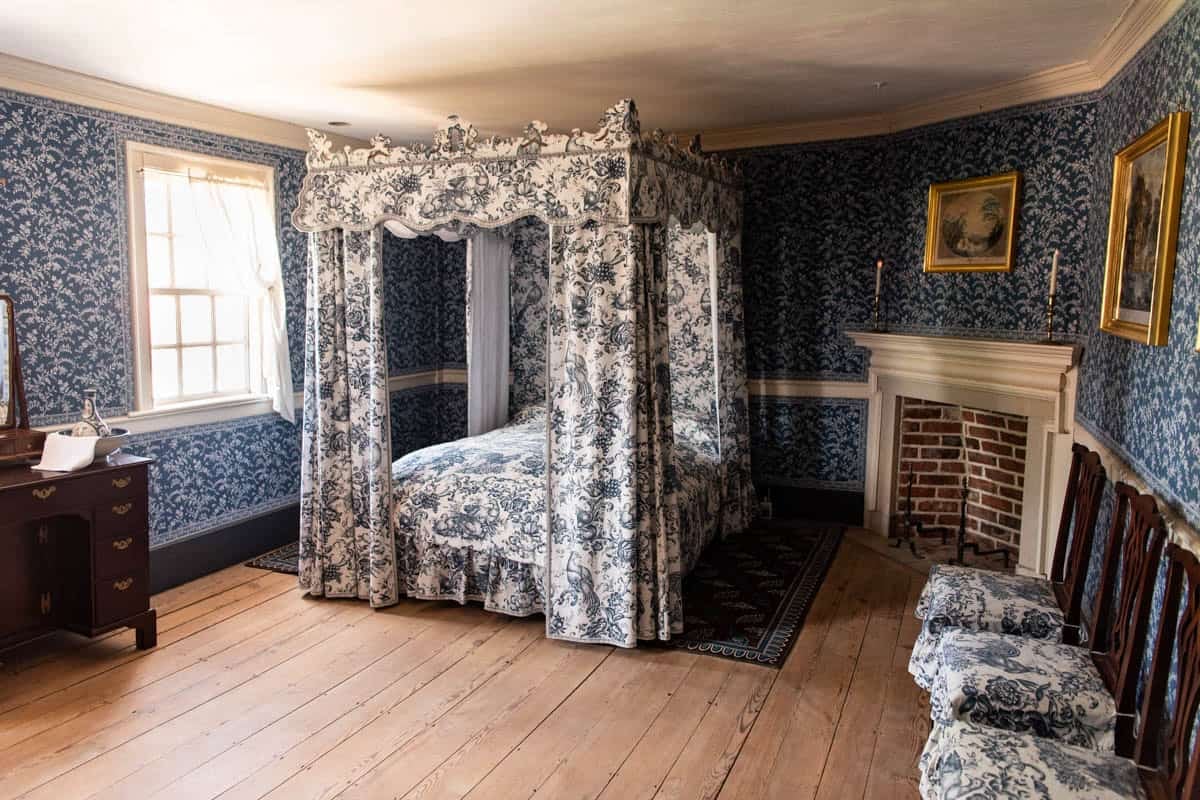
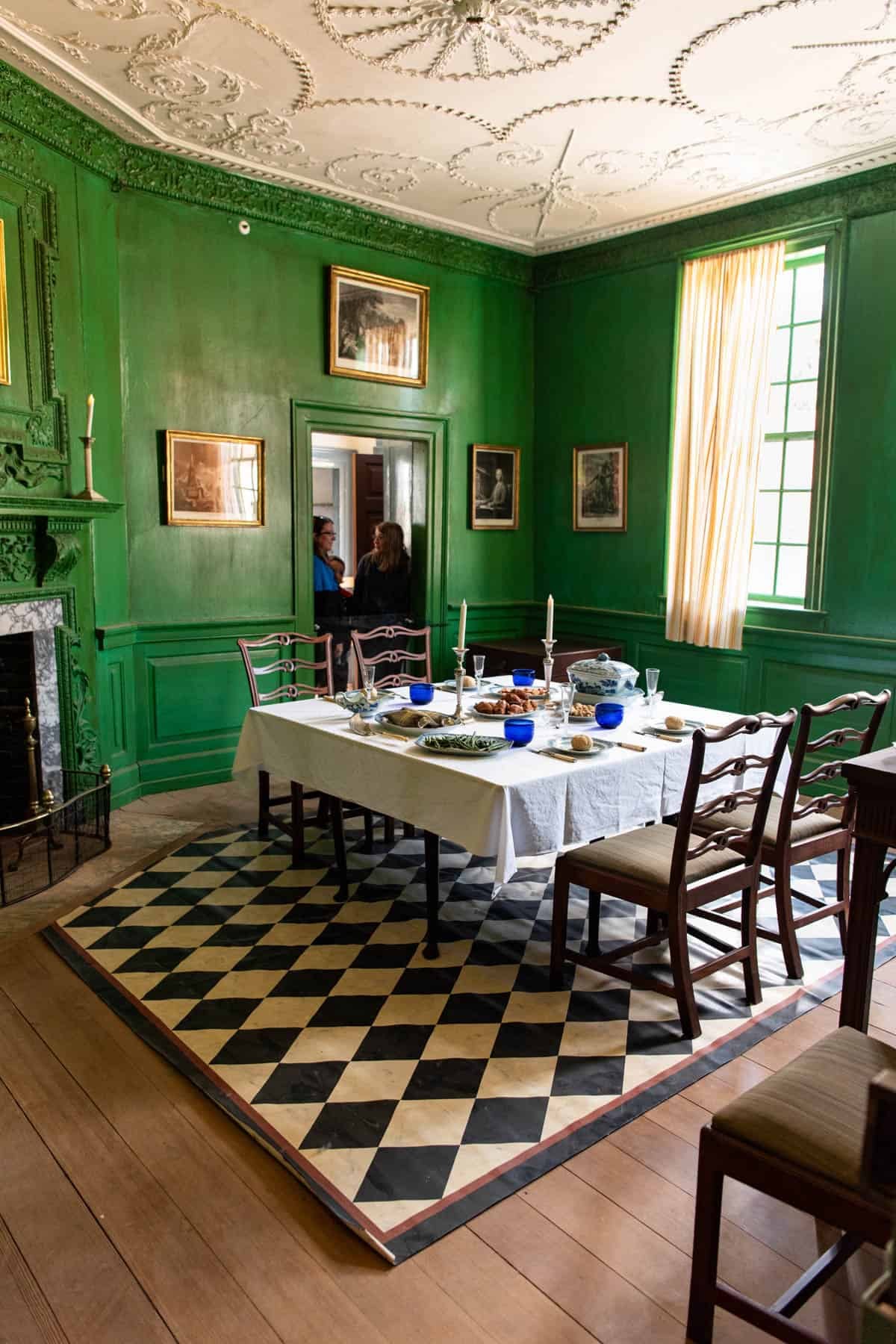
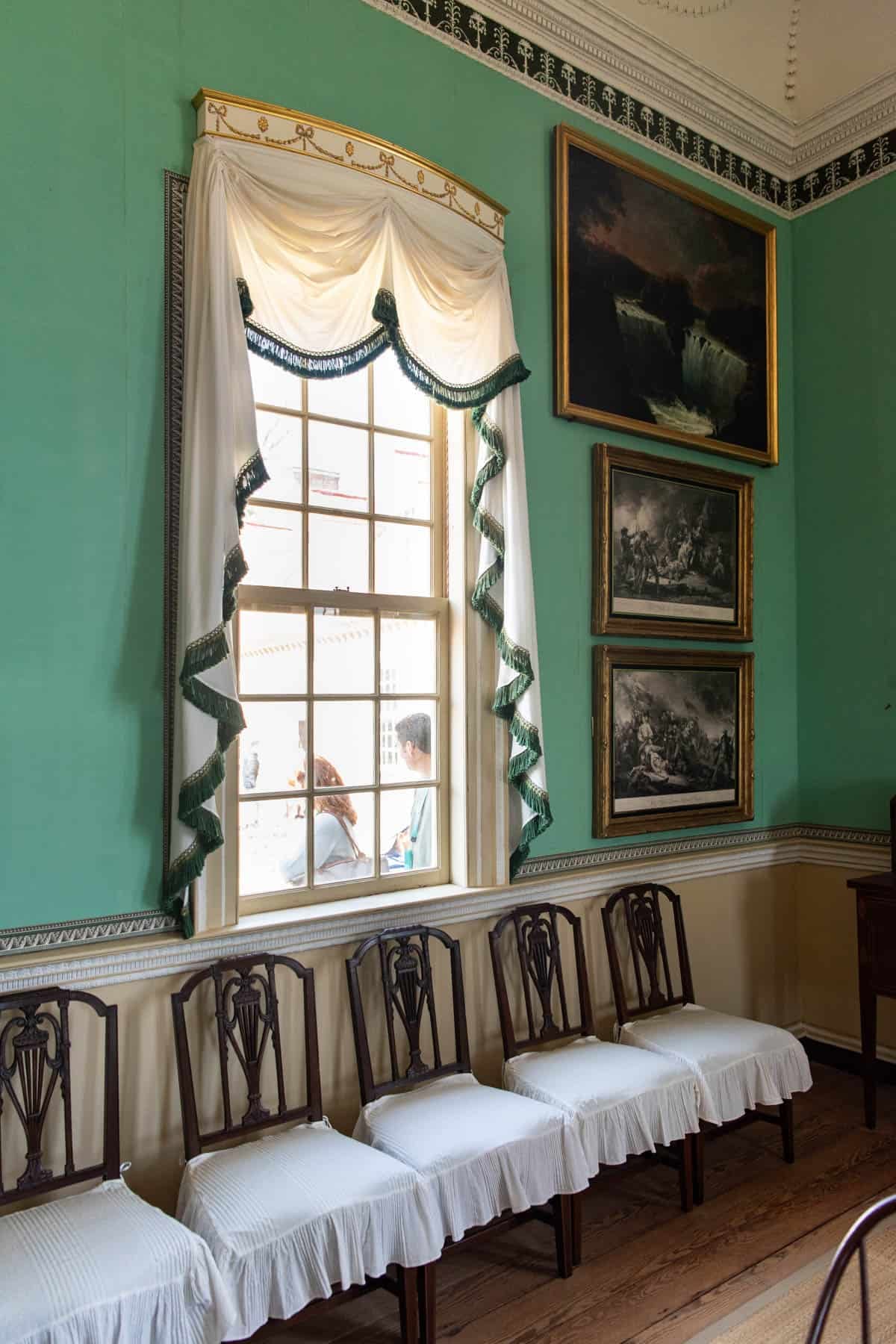
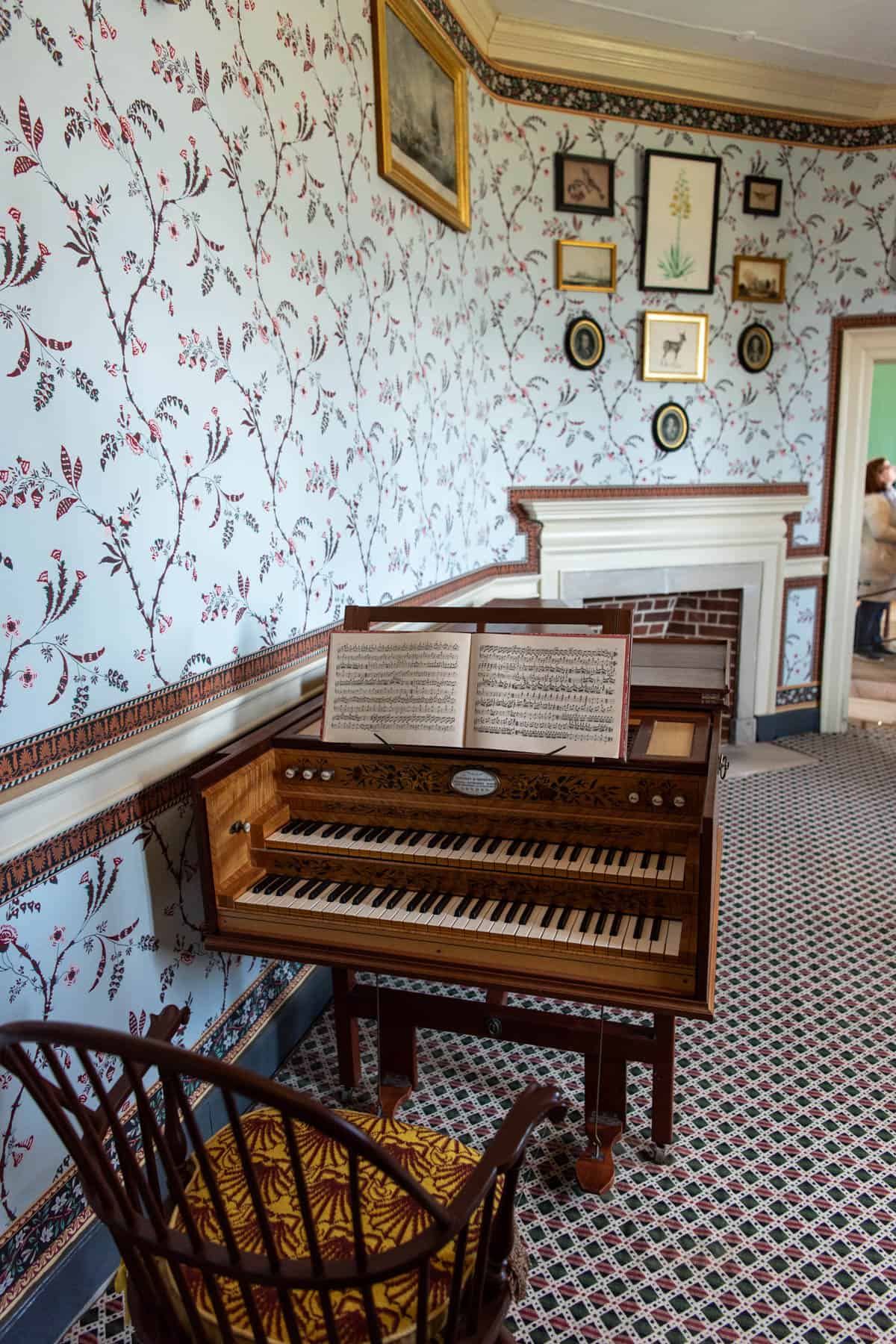
The mansion itself is surprisingly intimate. You move room to room, stepping across original floors and seeing the dining room where guests gathered, the study where George Washington managed the estate, and bedrooms filled with period furniture.
It’s quiet, and the details pull you in from the paint colors, the beautiful fabrics, the creak of the floorboards, and the way sunlight comes through the windows just as it did in the 1700s.
We learned a lot of fascinating information like the fact that while the exterior of the house looks like it is made from stone, it is actually just wood cut to resemble stone, then painted with a thick layer of paint and having sand thrown at it while wet to create a stone-like texture and appearance.
Another interesting fact I learned is that George Washington hired Betsy Ross not just to sew the original American flag, but also to do upholstery work on chairs and bedding in his house.
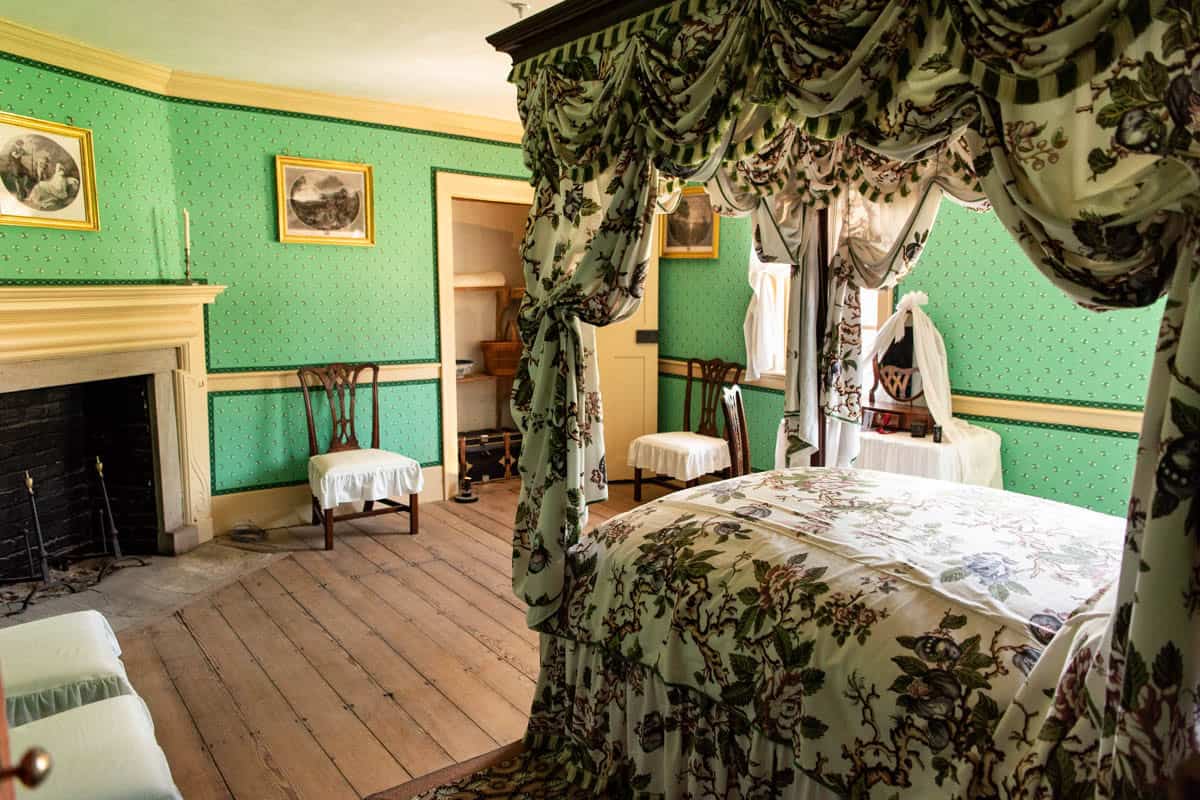
Also, this very green room was painted very intentionally with paint that cost the equivalent of $400 per gallon! Talk about a statement wall.
The Grounds & Gardens
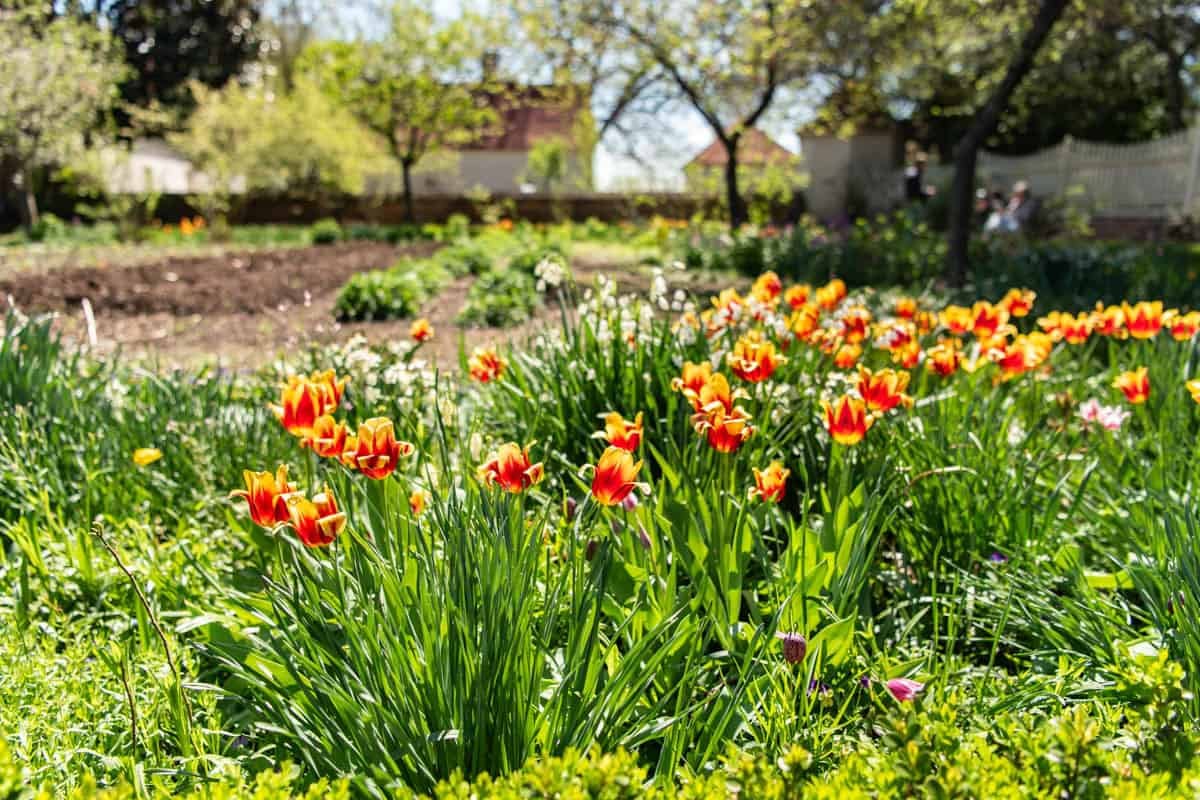
Before going into the house, we wandered the gardens, which are laid out in neat, geometric beds. Depending on the season, you’ll see vegetables, herbs, and flowers, all crops that fed or beautified the household.

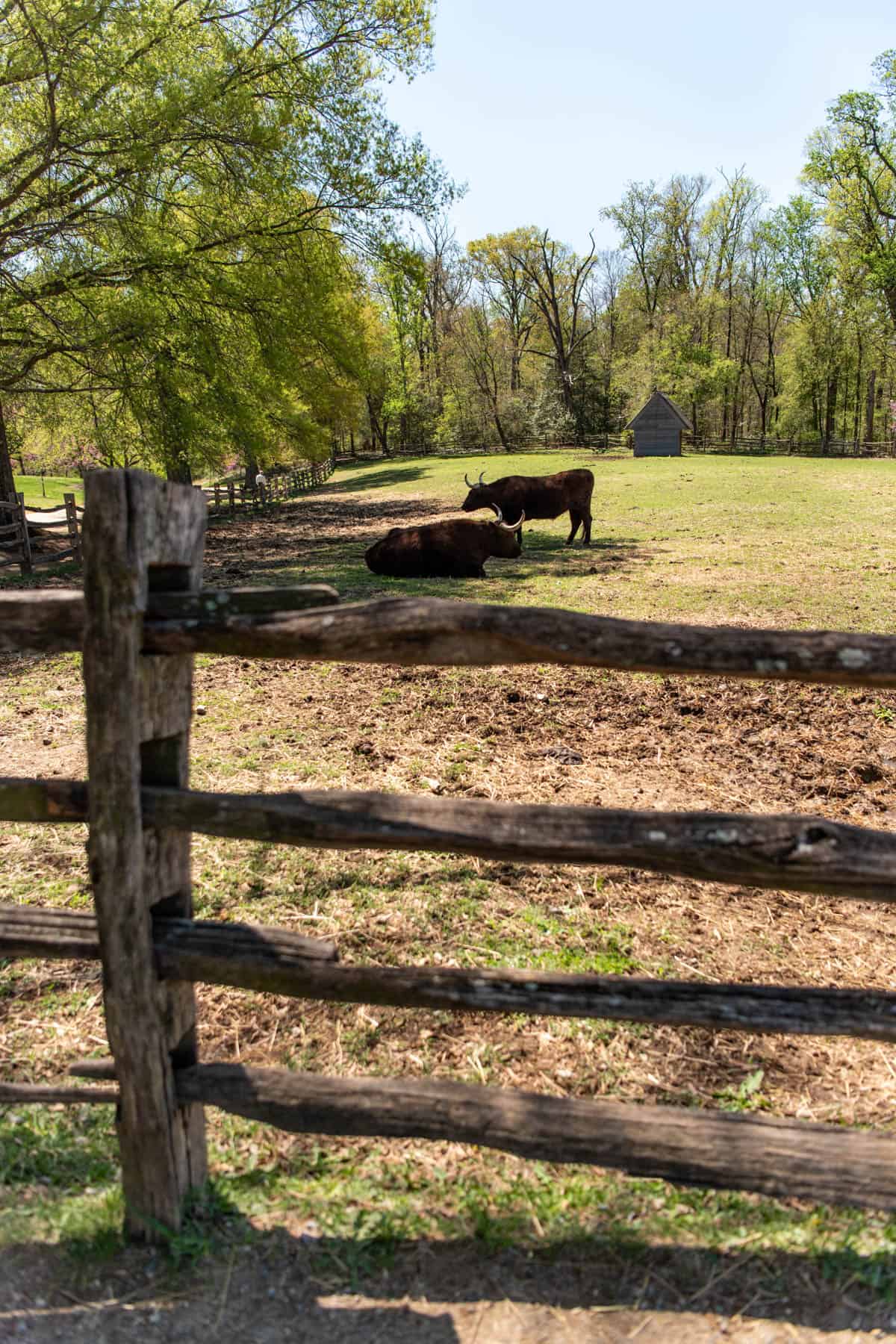

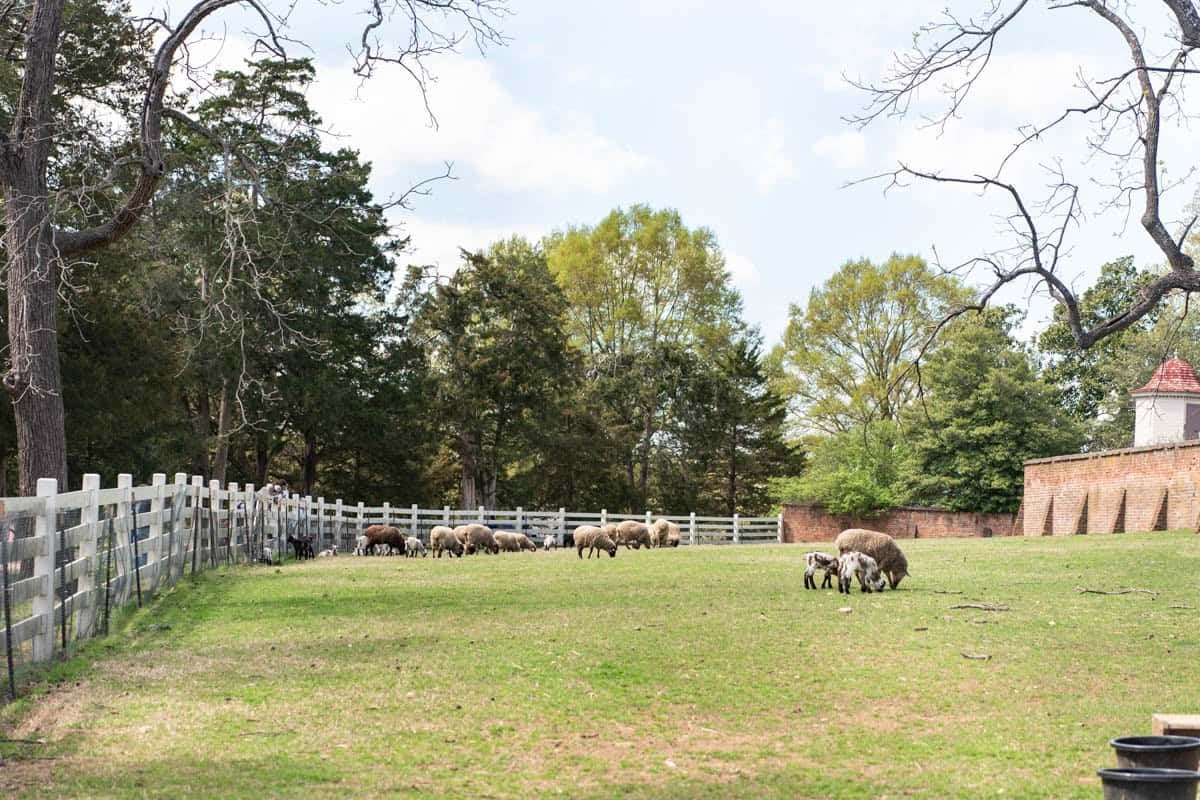
Nearby are orchards, outbuildings, and walking paths that wind through the estate. You can see some of the livestock that were kept here during Mount Vernon’s prime like heritage-breed sheep, turkeys, pigs, and more.
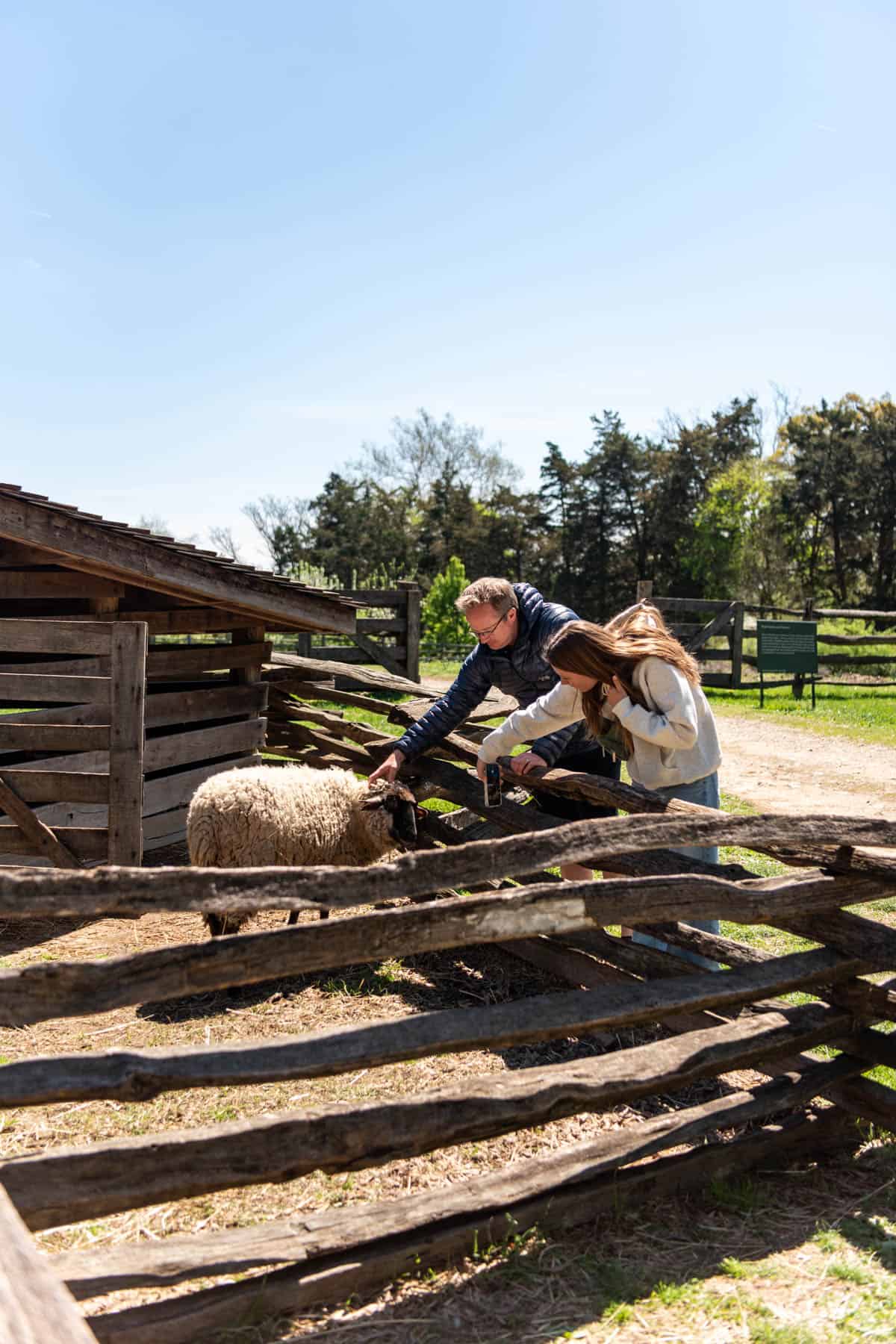


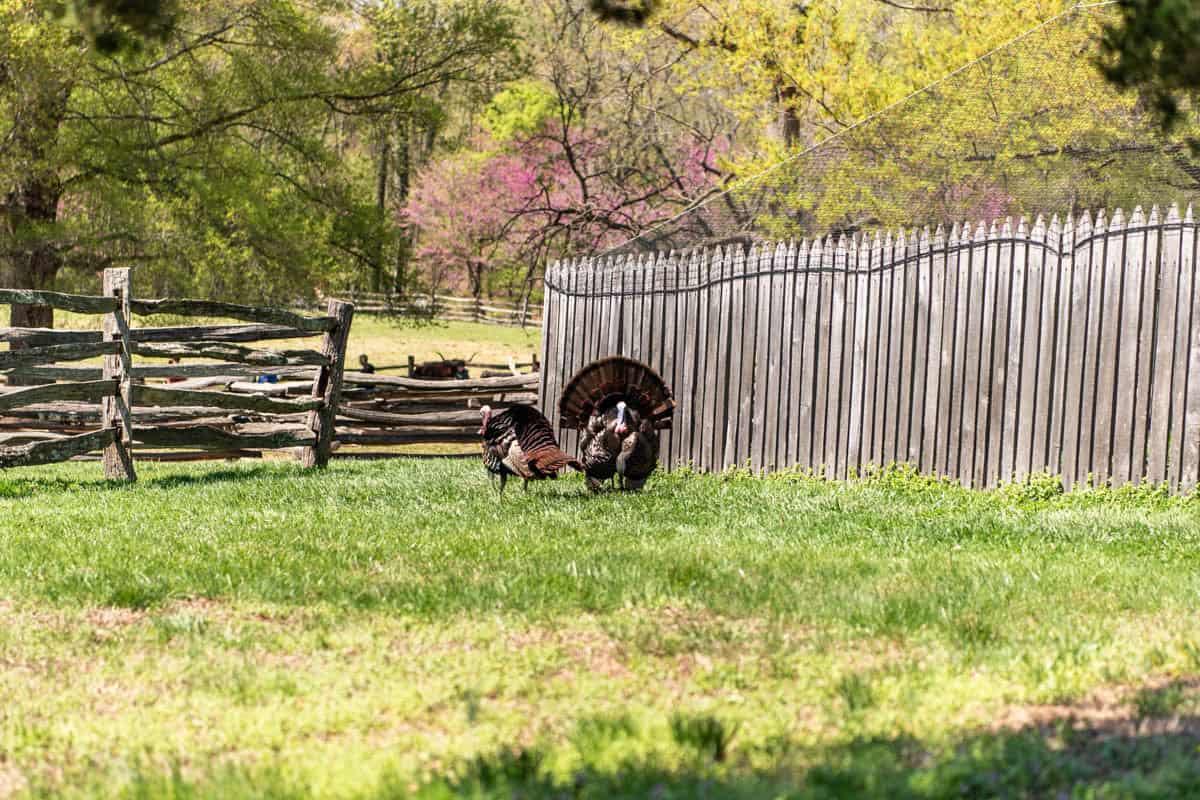
There is also a beautiful orchard on the way down to George Washington’s memorial and tomb. It’s incredibly beautiful, especially in the spring and summer.
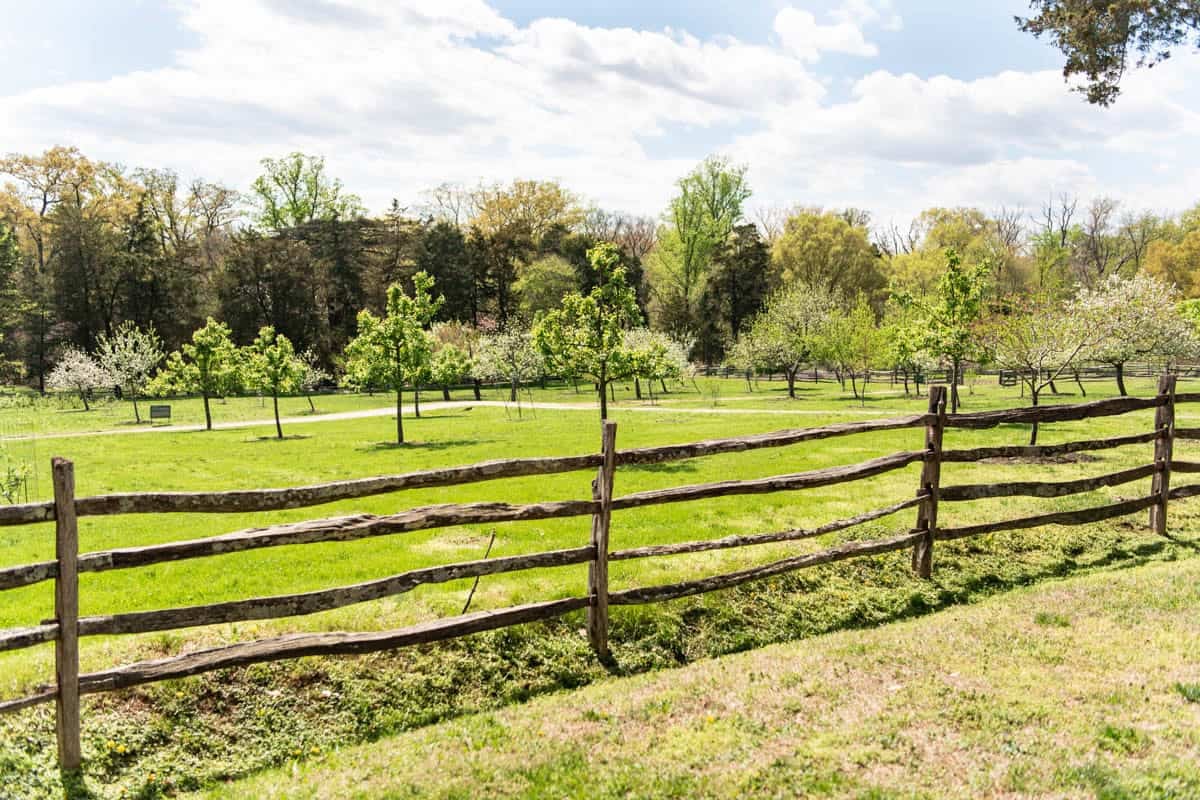

Learning the Full Story: Enslaved Community
One of the most powerful parts of a visit to Mount Vernon is learning about the enslaved people who lived and worked there. You can walk through preserved quarters, learn about individual lives through exhibits, and visit the memorial that honors the enslaved men, women, and children who were buried on the property.
This part of the visit is handled thoughtfully and honestly, and it deepens the experience because it wasn’t just Washington’s home, but also the home of hundreds of enslaved people whose labor sustained the estate.
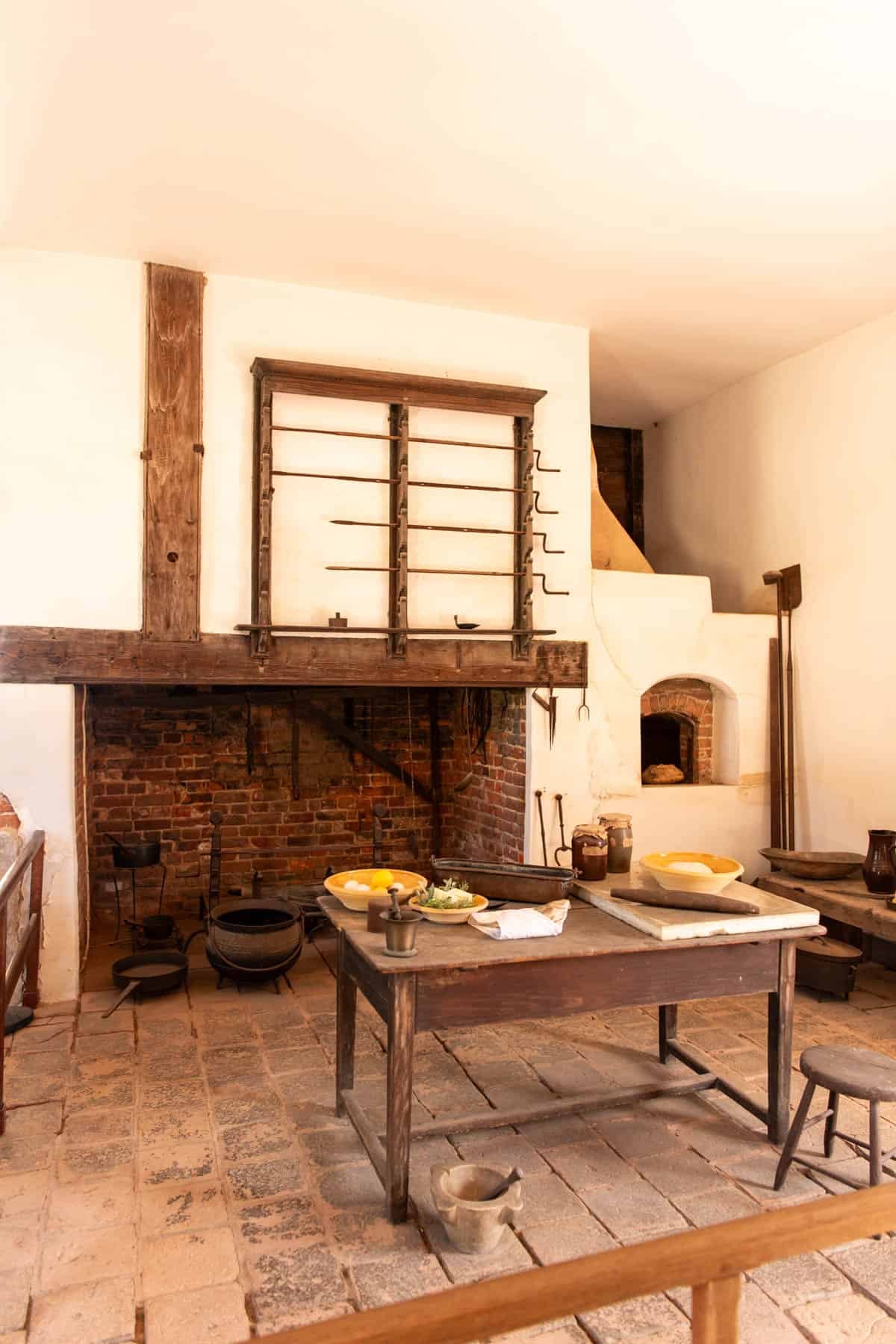
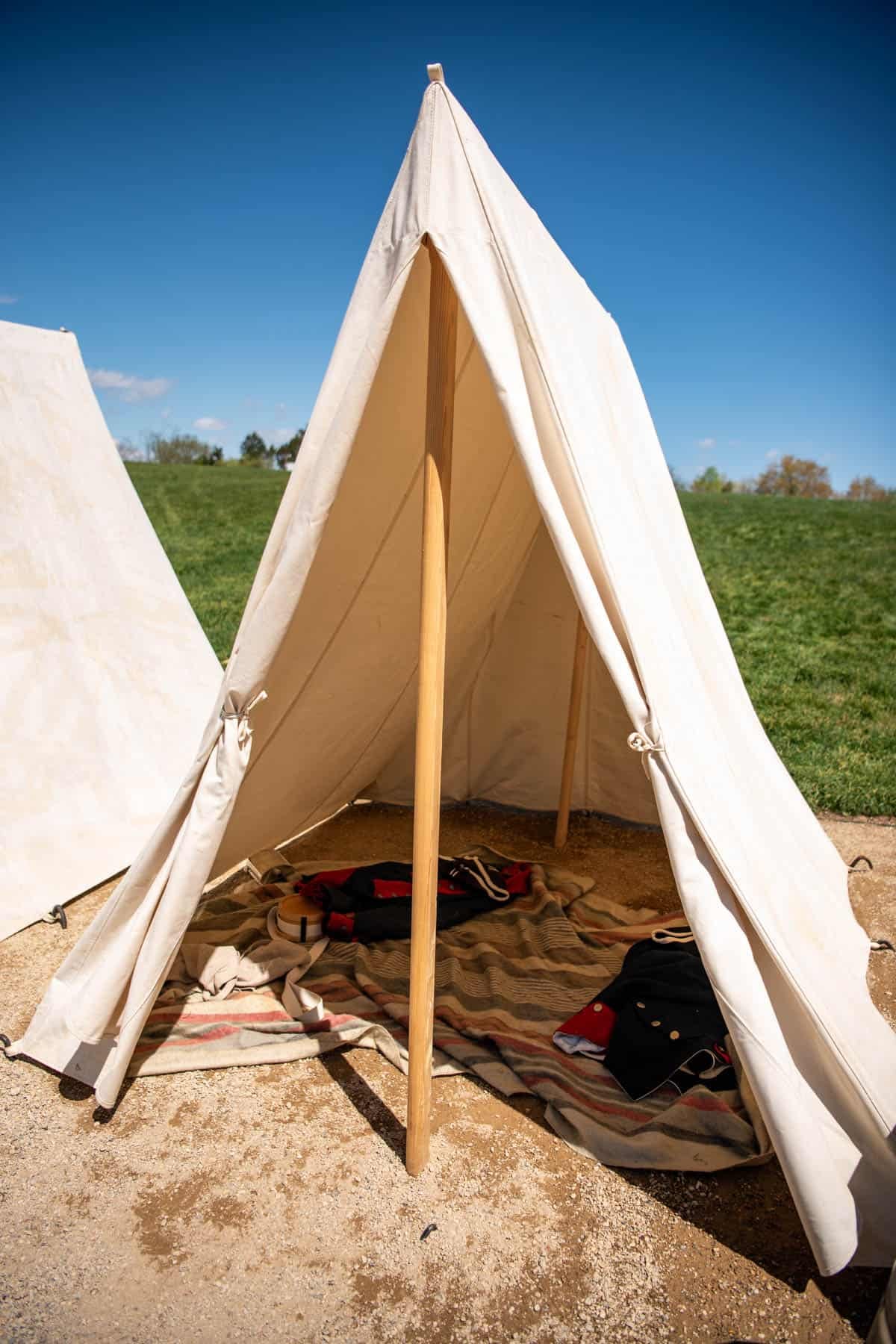
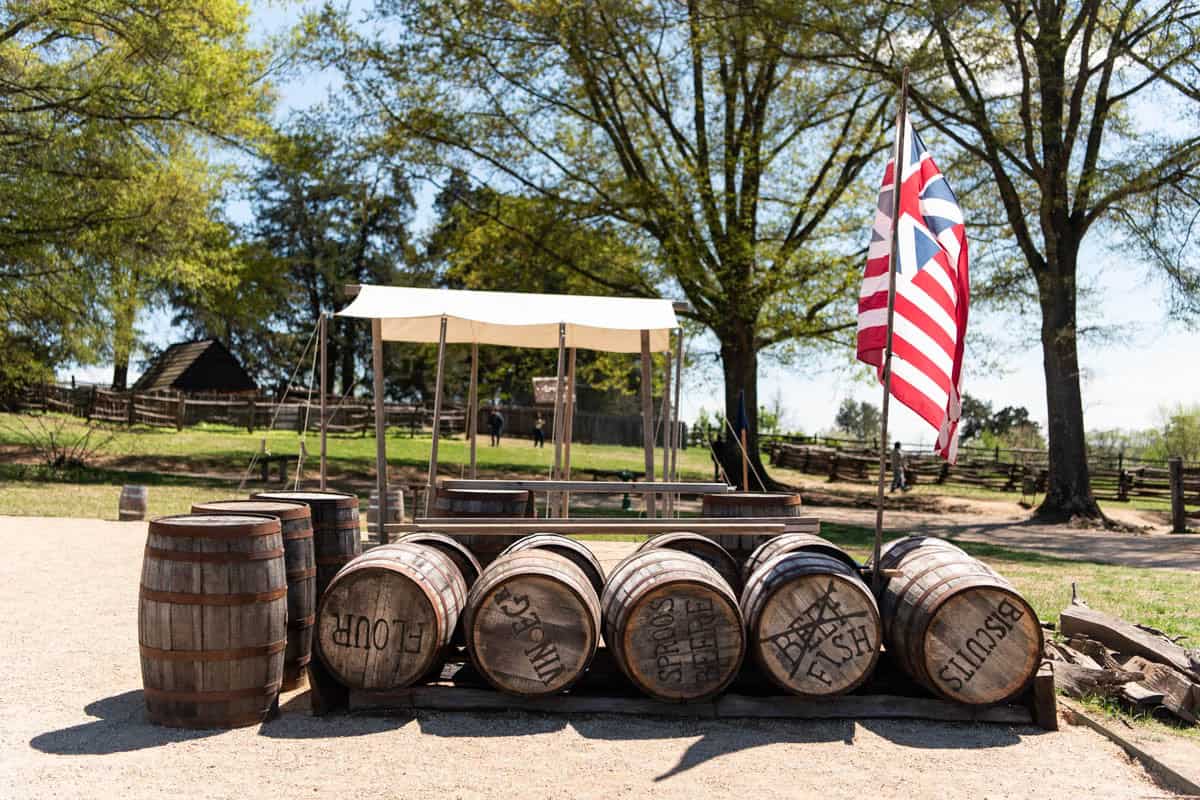
See the Military Encampment
There was a small exhibit set up of tents, supplies, and other necessities for a military encampment during the colonial period. This is similar to the military encampment at Yorktown at the American Revolution Museum, but on a much smaller scale.
Lunch at the Inn
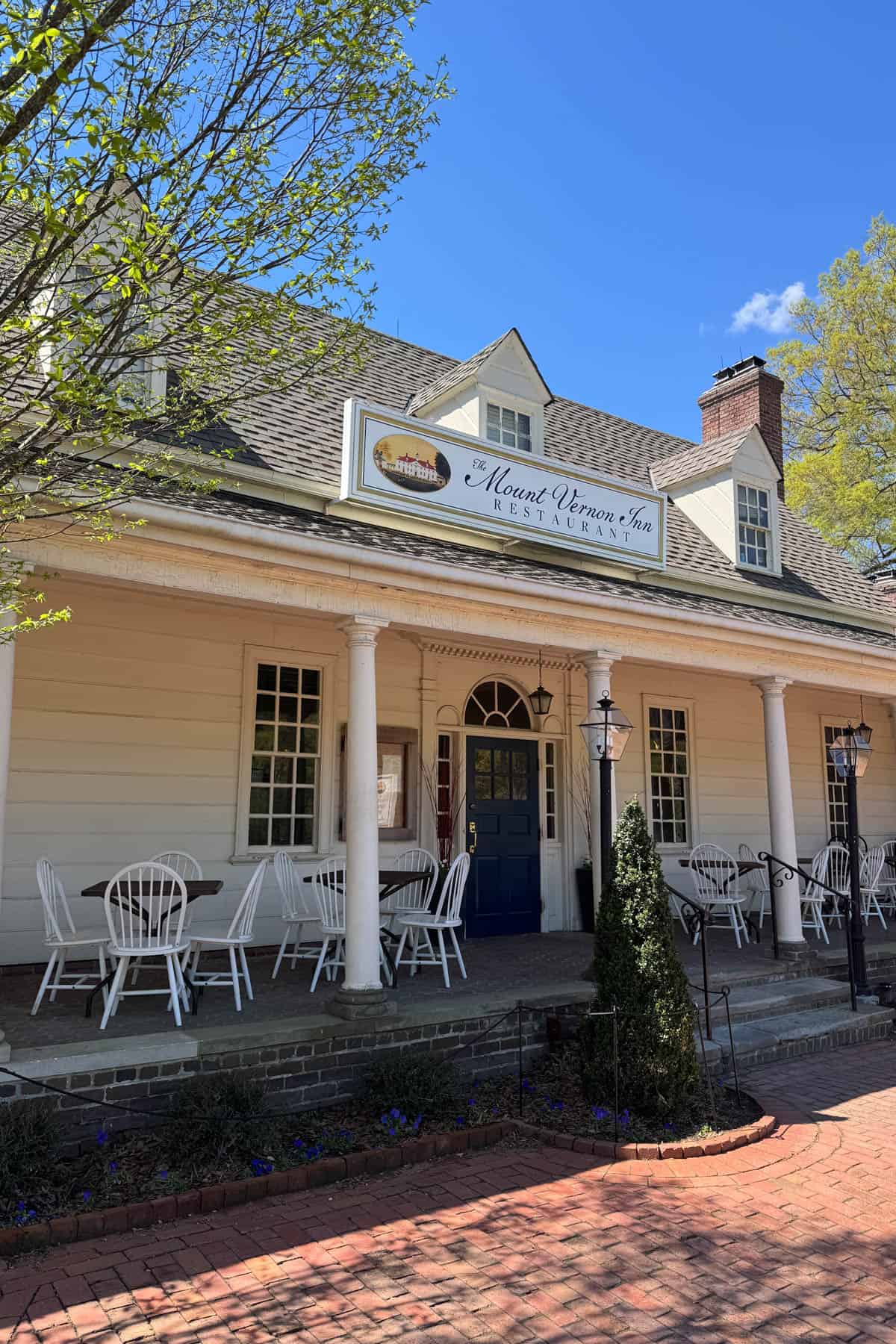
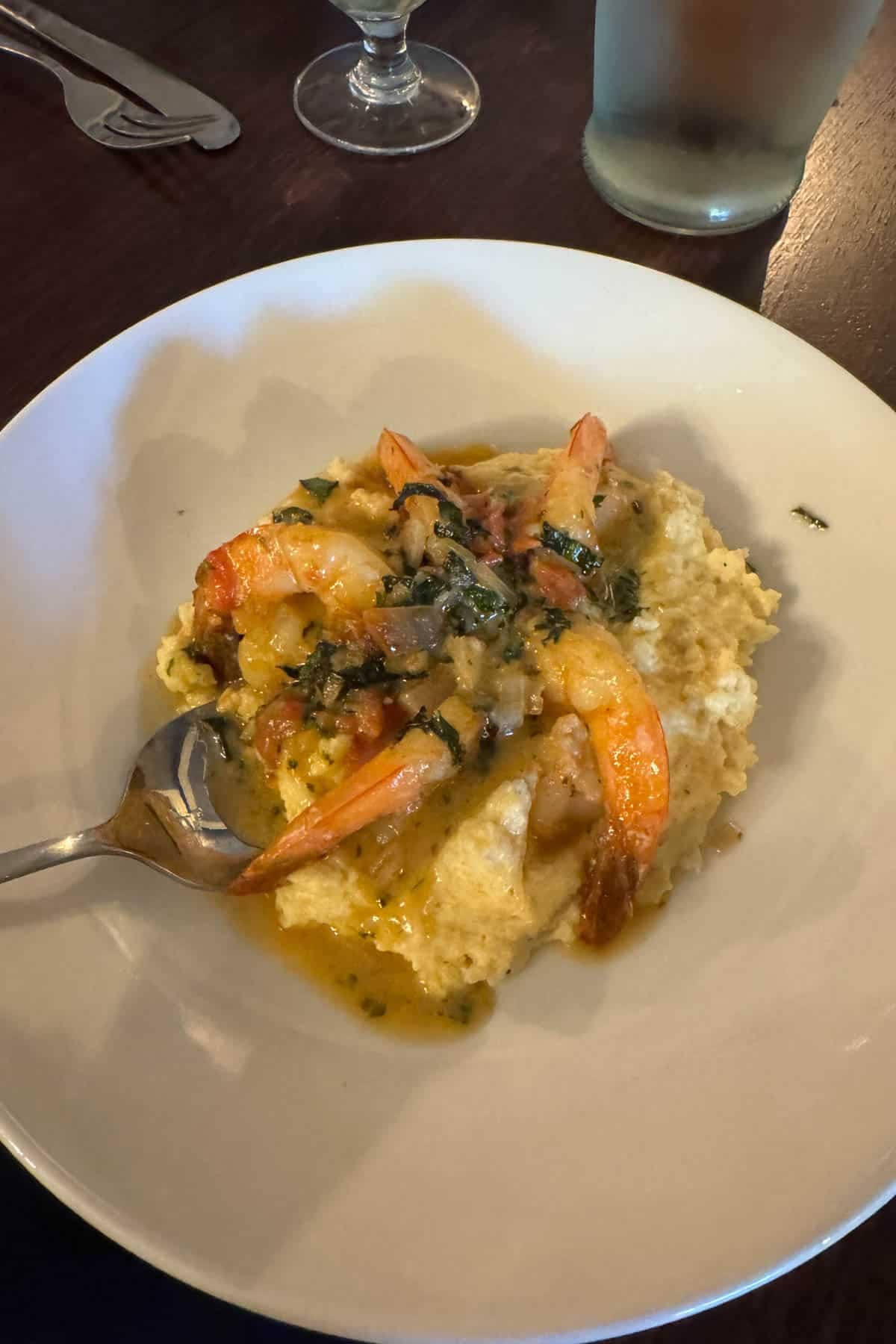
Don’t miss a meal at the onsite restaurant, Mount Vernon Inn Restaurant. Think colonial-inspired dishes like roasted meats, cornbread, and seasonal vegetables. I had the shrimp and grits and it was one of my favorite things I eat on our entire East Coast trip. It’s a relaxing place to sit down after exploring the estate, and the food feels tied to the history you’ve been walking through.
How Long to Spend Here
I would plan to spend around 3 to 4 hours at Mount Vernon. That gives you time to tour the mansion, walk the grounds and gardens, explore the outbuildings and slave quarters, and eat lunch without rushing.
How to Fit It Into Your Trip
If driving from Williamsburg to Washington, D.C.: Mount Vernon is a perfect stop. The drive from Colonial Williamsburg (where we started our trip) to Mount Vernon is about 2.5 hours, and from Mount Vernon to Washington, D.C. is only 30–40 minutes. Plan to leave Williamsburg in the morning, spend midday and early afternoon at Mount Vernon, then continue into D.C. for the evening. We were even able to fit in Arlington National Cemetery on our way in to the city from Mount Vernon.
If visiting as a day trip from D.C.: It’s an easy half-day trip. Leave in the morning, spend several hours at the estate, have lunch at the Inn, and return to the city by mid-afternoon or evening to spend time exploring monuments and museums.
The Lasting Impression
What makes Mount Vernon special isn’t just the house — it’s the sense of place. Standing on the back piazza looking out over the river, with the breeze off the water and the quiet stretch of land around you, it’s surprisingly easy to imagine Washington himself standing in the same spot. The blend of natural beauty, tangible history, and human stories makes Mount Vernon feel less like a museum and more like stepping into a living past.